Winged Wednesday 7/17/2024

Eric Gofreed

Well-Known Member
Please post anything with wings, birds, bugs, airplanes, drones, helicopters, bats... anything. My contributions for today's Winged Wednesday are dragonfly photos. The first 4 photos were taken a week ago at Lake Mary, Arizona.
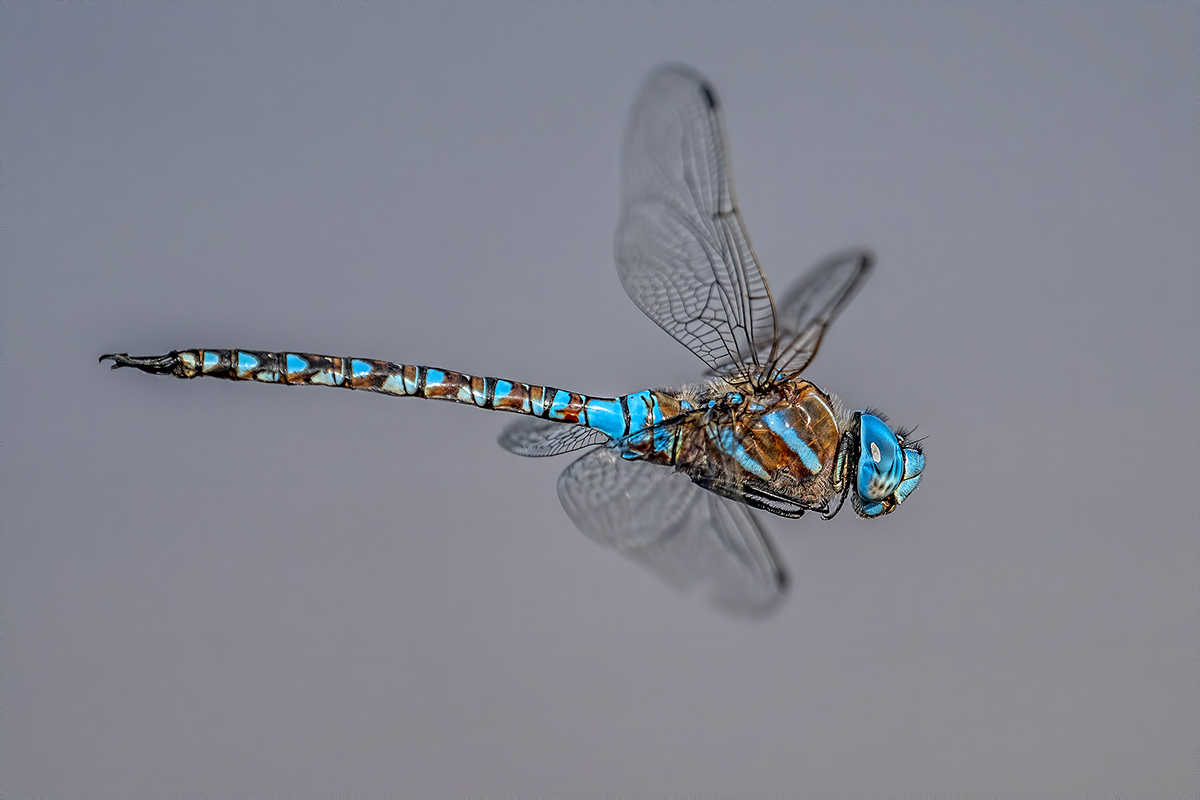
Blue-eyed Darner (male).jpg
Blue-eyed Darner

Blue-eyed Darner-00691-Edit.jpg

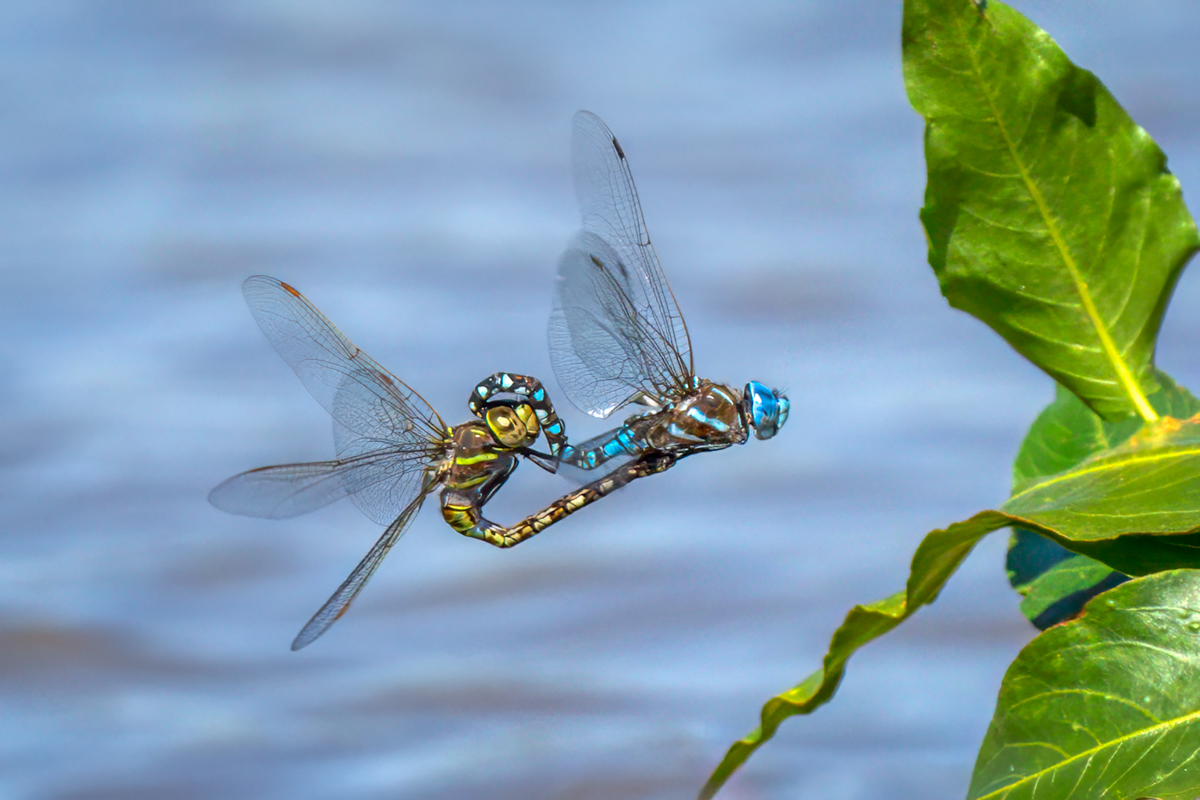
Wheel Formation/Copulation: The male has clasped the female behind the head. The female has curled her abdomen to connect with the male, forming a heart-shaped or wheel position where mating occurs.
Blue-eyed Darner-00704-Edit.jpg

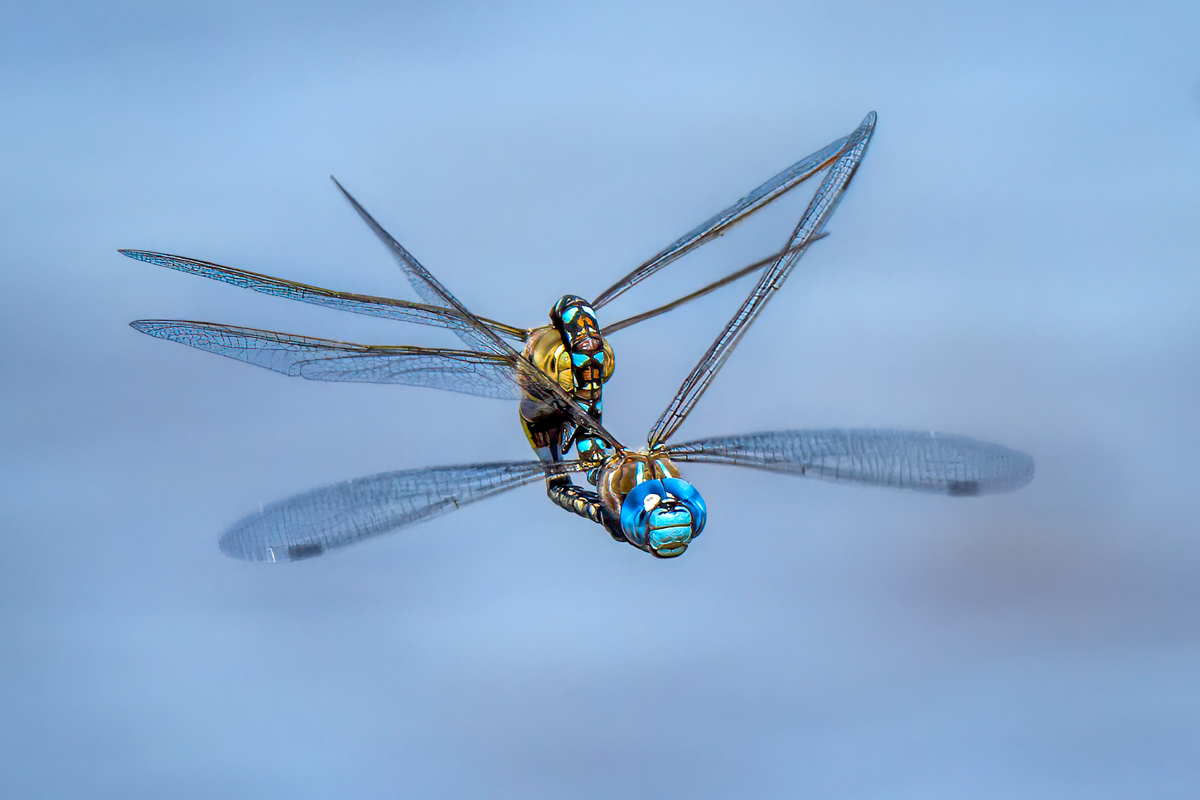
Wheel Formation #2

Blue-eyed Darner-00338-Edit.jpg

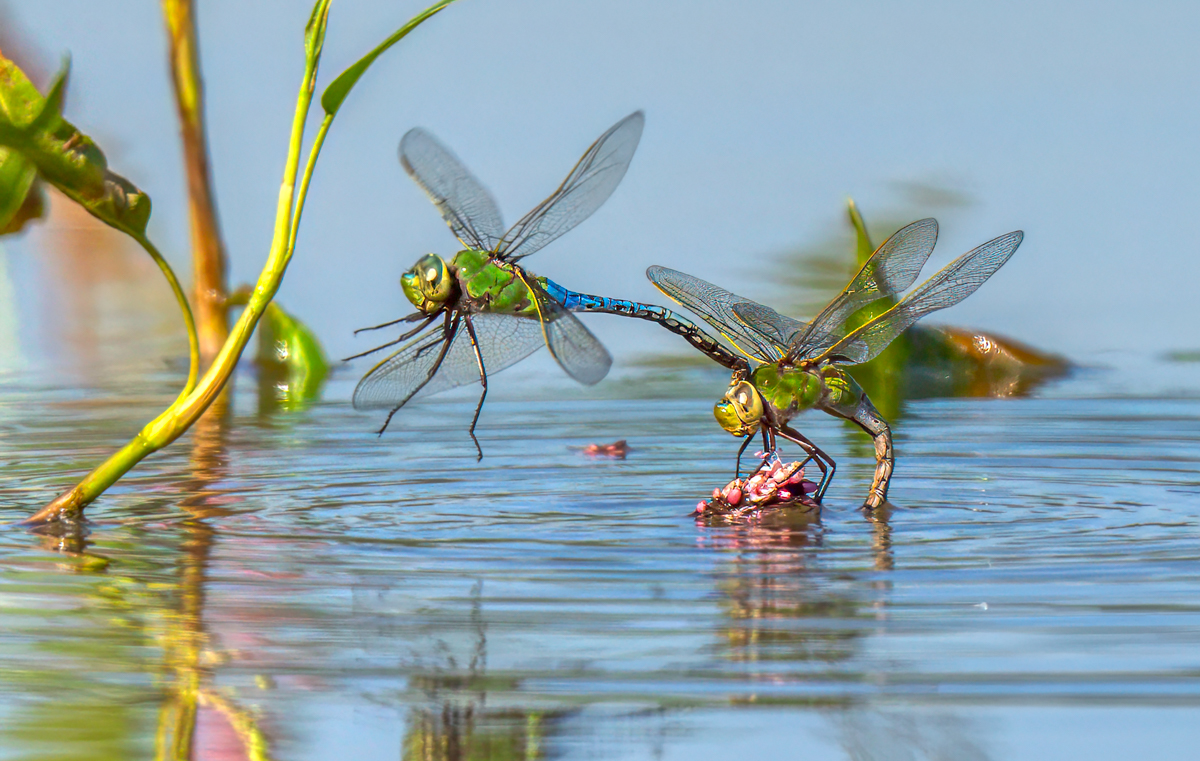
Common Green Darners, Post-Mating Bond: The female is laying eggs while the male stays attached. This behavior, known as mate guarding, ensures that the male's sperm has the best chance of fertilizing the female's eggs.
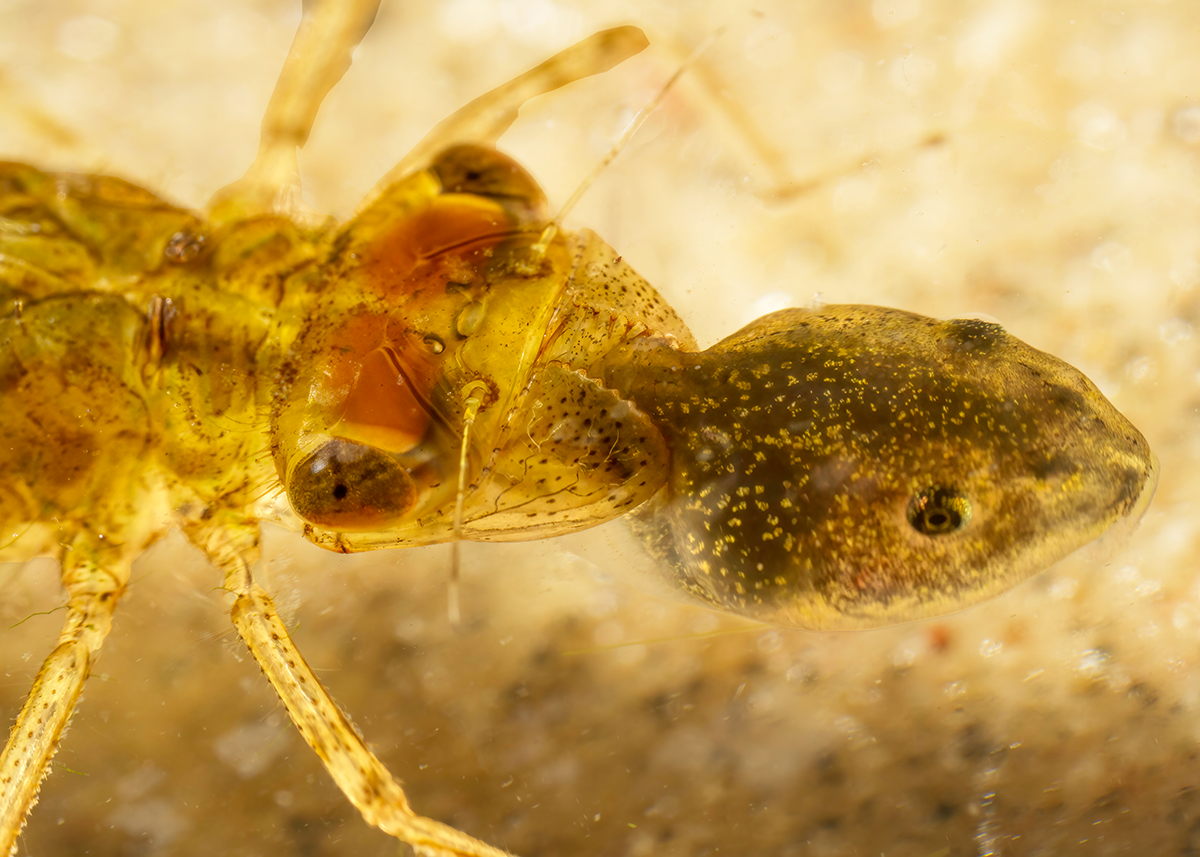
Dragonfly nymph eating a tadpole.png

Dragonfly nymph devouring a tadpole. Though no wings are present in this photo, the voracious appetite of the dragonfly nymph highlights the fascinating, underwater stage of the dragonfly's lifecycle.
 

Trent Watts

Well-Known Member
My wings today are all man made. I thought I would post some images of art work that friends have brought me to photograph.

This is a piece I made a few years ago for a show about insects. It is called 'Motherboard Wasp. And you thought computer viruses were bad". The wasp body is turned from wood, carved and painted. The legs, wings and eyes are made from Acrylic sheets that are used to make eye glasses. The whole insect is fastened to a mother board from an old computer.

DSC_1099altered-Edit.jpg


I made this urn for a friend's daughter that died at a young age. She loved dragonflies so I carved one into the top of the urn.
_TW24376-2.jpg
_TW24378.jpg


The rest of these are all made by my friend Jamie Russell. He is a master carver and furniture maker.
This is a pair of Praying Mantis that were installed in neighbour's window.
DSC_3645.jpg


This pair of mythical birds are carved out of wood and hold up a glass table top. Jamie is a master of incorporating elements necessary of stability and making them fit into the overall design.
Jamie Russell 2015-06-24-15.jpg


Closeup
Jamie Russel 2018-03-12-4-Edit.jpg


A carving of a mother bird with her baby.
Jamie Russell 2024-06-17-10.jpg


This piece is carved out of one large piece of Maple burl. It takes a lot of talent to imagine this and start cutting away the wood that doesn't look like a bird.
untitled-0053.jpg
 
Last edited:

Eric Gofreed

Well-Known Member
I like the colors in the first few images. They are amazing insects. How do you catch them in flight?
You need good light, clutterless background (water, sky), Lots of dragonflies, patience, and luck.

My wings today are all man-made. I thought I would post some images of artwork that friends have brought me to photograph.

This is a piece I made a few years ago for a show about insects. It is called 'Motherboard Wasp. And you thought computer viruses were bad". The wasp's body is turned from wood, carved, and painted. The legs, wings, and eyes are made from Acrylic sheets that are used to make the glass eyes. The whole insect is fastened to a motherboard from an old computer.

View attachment 74297

I made this urn for a friend's daughter who died at a young age. She loved dragonflies so I carved one into the top of the urn.
View attachment 74303View attachment 74304

The rest of these are all made by my friend Jamie Russell. He is a master carver and furniture maker.
This is a pair of Praying Mantis that were installed in neighbour's window.
View attachment 74298

This pair of mythical birds are carved out of wood and hold up a glass table top. Jamie is a master of incorporating elements necessary of stability and making them fit into the overall design.
View attachment 74300

Closeup
View attachment 74299

A carving of a mother bird with her baby.
View attachment 74301

This piece is carved out of one large piece of Maple burl. It takes a lot of talent to imagine this and start cutting away the wood that doesn't look like a bird.
View attachment 74302
[/QUOTE]
Thanks, Trent. Amazing woodworking skills and photography. The urn is special because it's an urn. The wasp on the motherboard is a brilliant idea. The bird table reminds me of a pterosaurs. Kudos on the great photography too,
 
Last edited:

AlanLichty

Moderator
My wings today are all man made. I thought I would post some images of art work that friends have brought me to photograph.

This is a piece I made a few years ago for a show about insects. It is called 'Motherboard Wasp. And you thought computer viruses were bad". The wasp body is turned from wood, carved and painted. The legs, wings and eyes are made from Acrylic sheets that are used to make eye glasses. The whole insect is fastened to a mother board from an old computer.

View attachment 74297

I made this urn for a friend's daughter that died at a young age. She loved dragonflies so I carved one into the top of the urn.
View attachment 74303View attachment 74304

The rest of these are all made by my friend Jamie Russell. He is a master carver and furniture maker.
This is a pair of Praying Mantis that were installed in neighbour's window.
View attachment 74298

This pair of mythical birds are carved out of wood and hold up a glass table top. Jamie is a master of incorporating elements necessary of stability and making them fit into the overall design.
View attachment 74300

Closeup
View attachment 74299

A carving of a mother bird with her baby.
View attachment 74301

This piece is carved out of one large piece of Maple burl. It takes a lot of talent to imagine this and start cutting away the wood that doesn't look like a bird.
View attachment 74302
Incredible woodworking in this series Trent. My own woodworking talents lies in making things with straight lines and none of it looks anything like these works of art.
 

AlanLichty

Moderator
Please post anything with wings, birds, bugs, airplanes, drones, helicopters, bats... anything. My contributions for today's Winged Wednesday are dragonfly photos. The first 4 photos were taken a week ago at Lake Mary, Arizona.

View attachment 74291
Blue-eyed Darner

View attachment 74288
Wheel Formation/Copulation: The male has clasped the female behind the head. The female has curled her abdomen to connect with the male, forming a heart-shaped or wheel position where mating occurs.

View attachment 74287
Wheel Formation #2

View attachment 74289
Common Green Darners, Post-Mating Bond: The female is laying eggs while the male stays attached. This behavior, known as mate guarding, ensures that the male's sperm has the best chance of fertilizing the female's eggs.

View attachment 74295
Dragonfly nymph devouring a tadpole. Though no wings are present in this photo, the voracious appetite of the dragonfly nymph highlights the fascinating, underwater stage of the dragonfly's lifecycle.
Great series Eric.
 

Eric Gofreed

Well-Known Member
Dragonflies but not to the standard of Eric's superb images
Phone shot of dragonfly laying eggs
View attachment 74306

Nikon D810 with 70-200 lens with achromat close up attachment
View attachment 74307

Sony A7r4 with Sigma 105 macro focus stacked at f4 to try and get a creamy out of focus background.
View attachment 74309
Your second and third photos are technically flawless and beautiful too. Exquisite details and DOF. Highest compliments, Ken!!!
 

Eric Gofreed

Well-Known Member
Very tough acts to follow this week. I have a shot of a Scrub Jay at the top of an arborvitae in my back yard.

View attachment 74325
I assume he is a California scrub jay, known for its vibrant blue plumage. In my area, we typically see the Woodhouse's scrub jay, which is quite similar in appearance but has more subdued blue hues. The contrast between the two species is subtle, yet noticeable, with the California scrub jay often exhibiting brighter, more striking colors.
 

AlanLichty

Moderator
I assume he is a California scrub jay, known for its vibrant blue plumage. In my area, we typically see the Woodhouse's scrub jay, which is quite similar in appearance but has more subdued blue hues. The contrast between the two species is subtle, yet noticeable, with the California scrub jay often exhibiting brighter, more striking colors.
My ancient copy of Peterson's Field Guide didn't go into that much detail but you made me look around to see the variants of Scrub-Jays.

You are correct in calling the ones we have as the California Scrub-Jay. The black/gray in the collar just below the neck and the darker contrasts in the wing are notable differences to the illustrations of the Woodhouse Scrub-Jay I see online (CornellLab All About Birds).

1721260179661.png
 

Eric Gofreed

Well-Known Member
My ancient copy of Peterson's Field Guide didn't go into that much detail but you made me look around to see the variants of Scrub-Jays.

You are correct in calling the ones we have as the California Scrub-Jay. The black/gray in the collar just below the neck and the darker contrasts in the wing are notable differences to the illustrations of the Woodhouse Scrub-Jay I see online (CornellLab All About Birds).

View attachment 74337
Thank you for posting them side by side. Two great pics, Alan
 

Jon Bev

Well-Known Member
This is the only shot I have of a Dragonfly, Made in the 30s by De Haviland Aircraft co for the rich, not as colourful as your showings.
 
Top Bottom