

Eric Gofreed
Well-Known Member
For today's Winged Wednesday I wanted to share birds running on water for take-off. Doug Sherman will be taking over for the next month as I will be in Columbia SA photographing birds.

Sandhill cranes running prior to takeoff. No one knows how fast they run but their flight speed is 25-35 mph. Their "runway" is about 20 yards long.
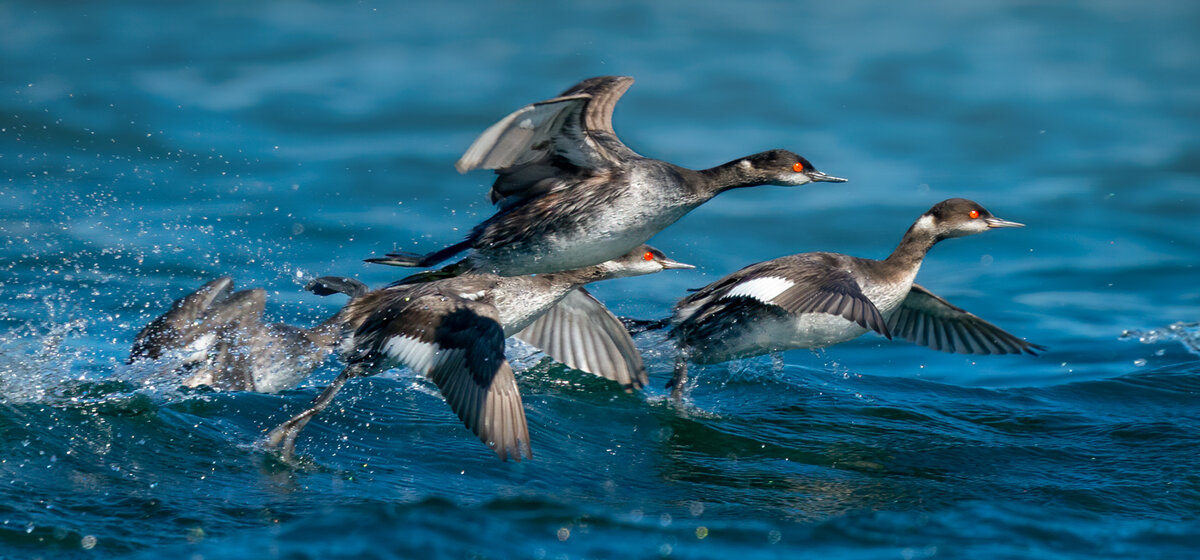
Eared grebes in basic plumage (non-breeding plumage). Sometimes they run to get airborne and sometimes they run to avoid boats. Most other grebes dive to avoid people and boats.
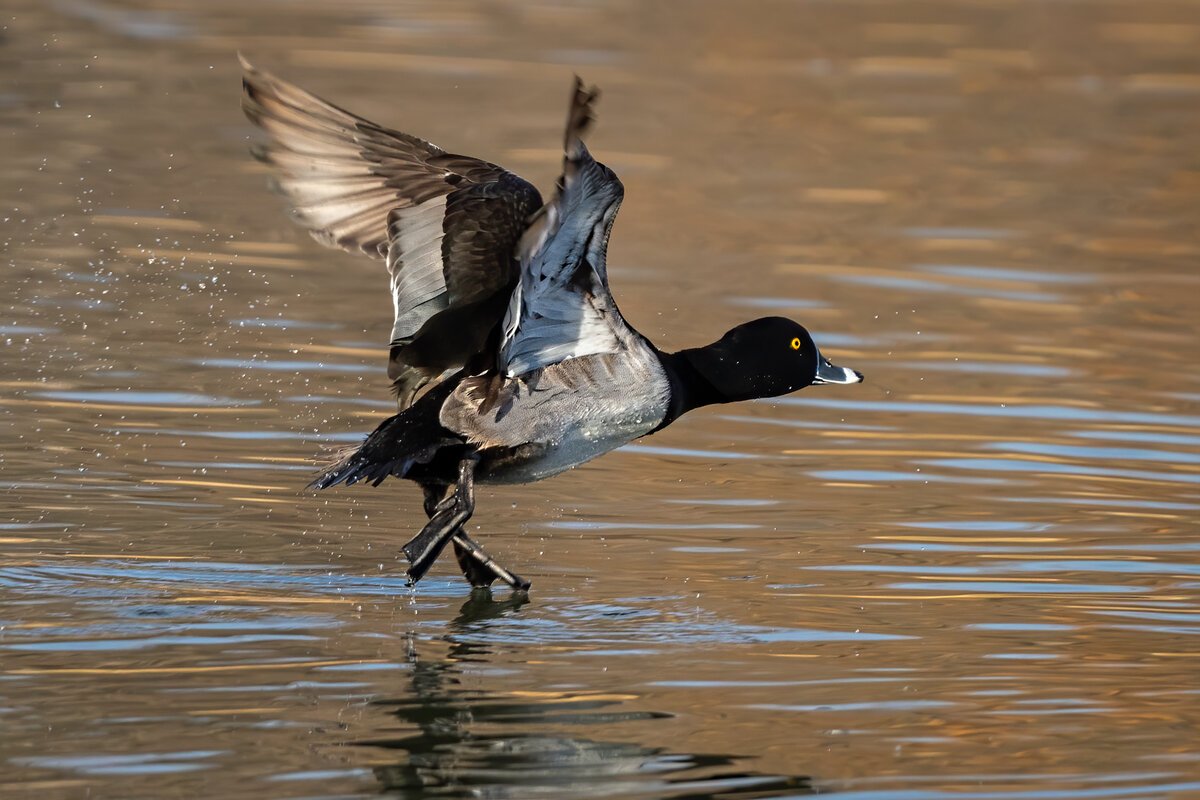
Ring-neck duck about to make a splash as he nears takeoff speed
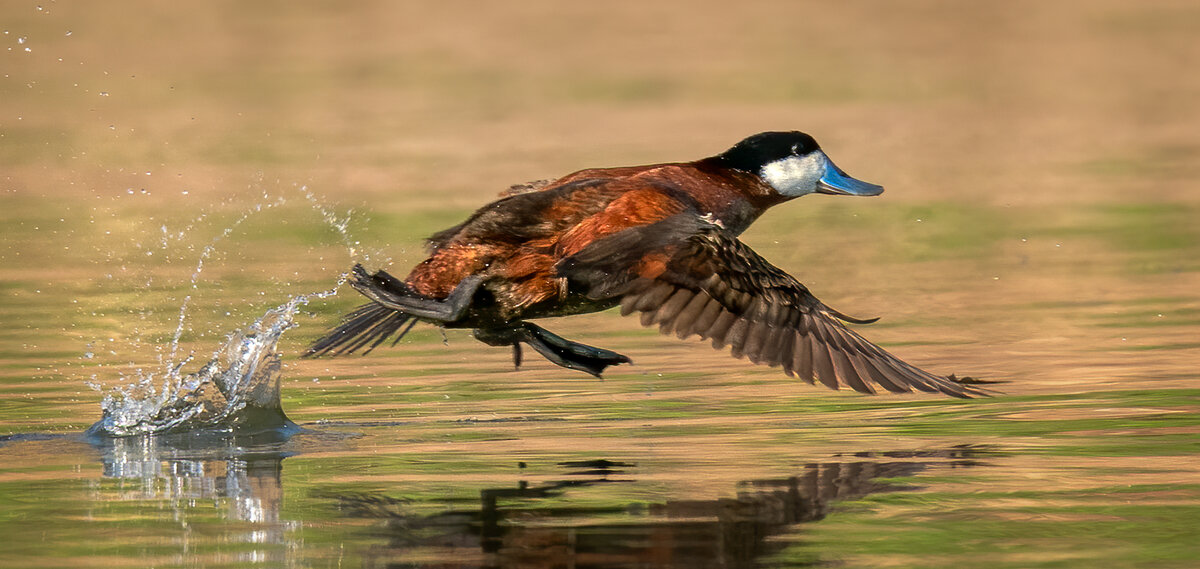
Ruddy duck eight strides into takeoff run.

Canada Goose
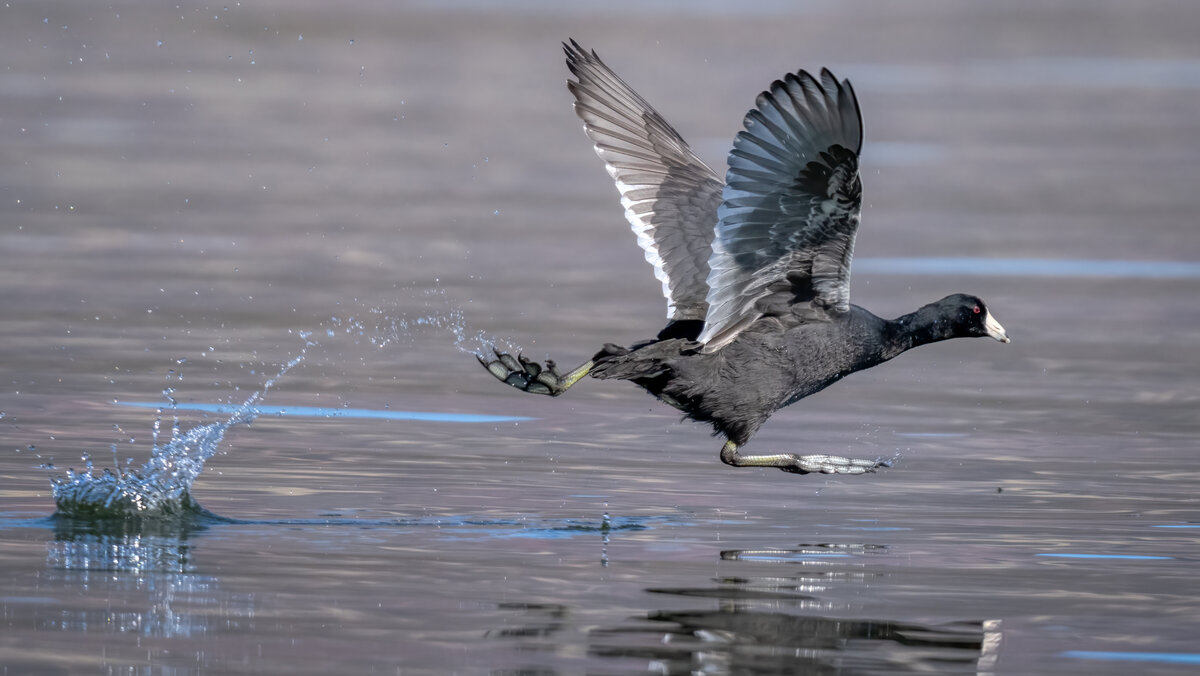
And my favorite runner is the American coot. Not the most glamorous species, however, they have the happiest feet.
Sandhill cranes running prior to takeoff. No one knows how fast they run but their flight speed is 25-35 mph. Their "runway" is about 20 yards long.
Eared grebes in basic plumage (non-breeding plumage). Sometimes they run to get airborne and sometimes they run to avoid boats. Most other grebes dive to avoid people and boats.
Ring-neck duck about to make a splash as he nears takeoff speed
Ruddy duck eight strides into takeoff run.
Canada Goose
And my favorite runner is the American coot. Not the most glamorous species, however, they have the happiest feet.
Last edited:


