

Eric Gofreed
Well-Known Member
I'll start off today's winged Wednesday with flight or action photos from the Riparian Preserve at Water Ranch, Gilbert, Arizona last Friday.
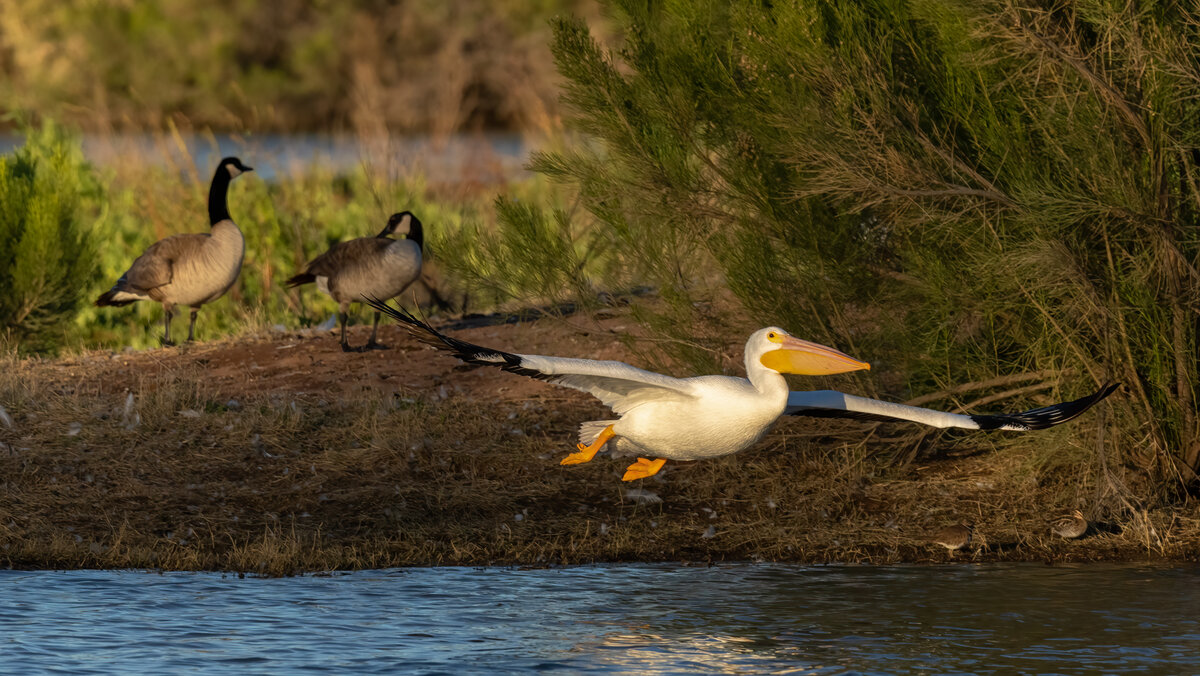
The American white pelican was sitting next to the Canada Geese before he flew. I was going to make a silly remark about "Two's company and three's a crowd," but, I noticed a Killdeer and a Snipe in the lower right corner. That makes five birds. I'll spare you an equally silly comment about being the "Fifth Wheel."
When photographing the pelicans, I used center-weighted metering to prevent the loss of details in the highlights and white feathers.
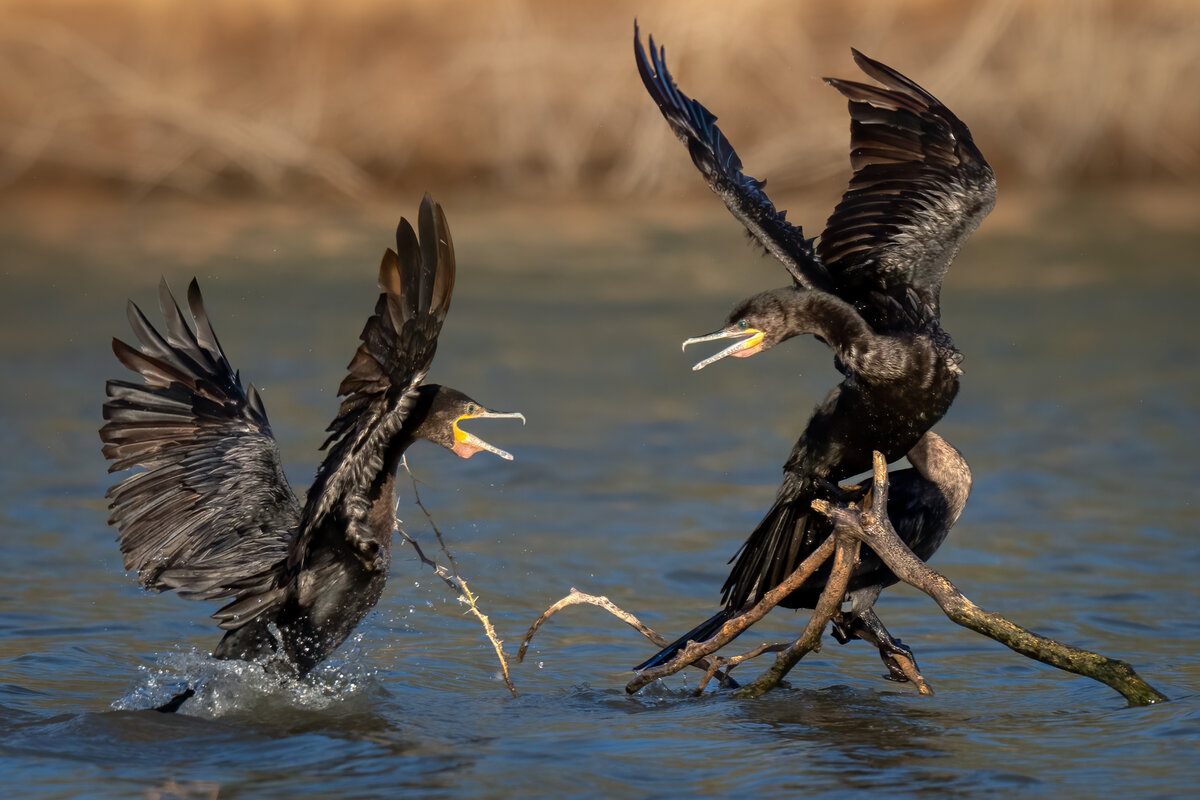
Double-crested cormorants arguing about roosting rights. I took twenty photos of the squabble. I combined two of them to show the best facial expressions and wing positions.
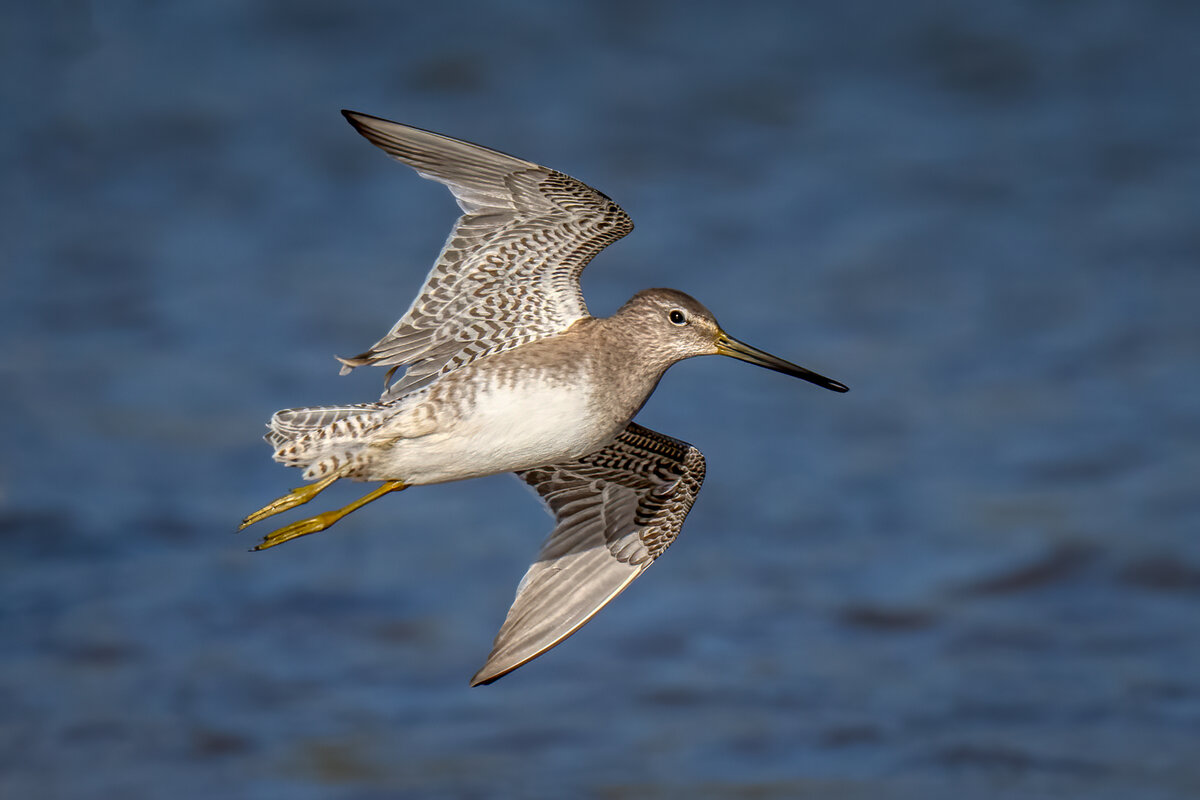
Long-billed dowitcher in non-breeding plumage.
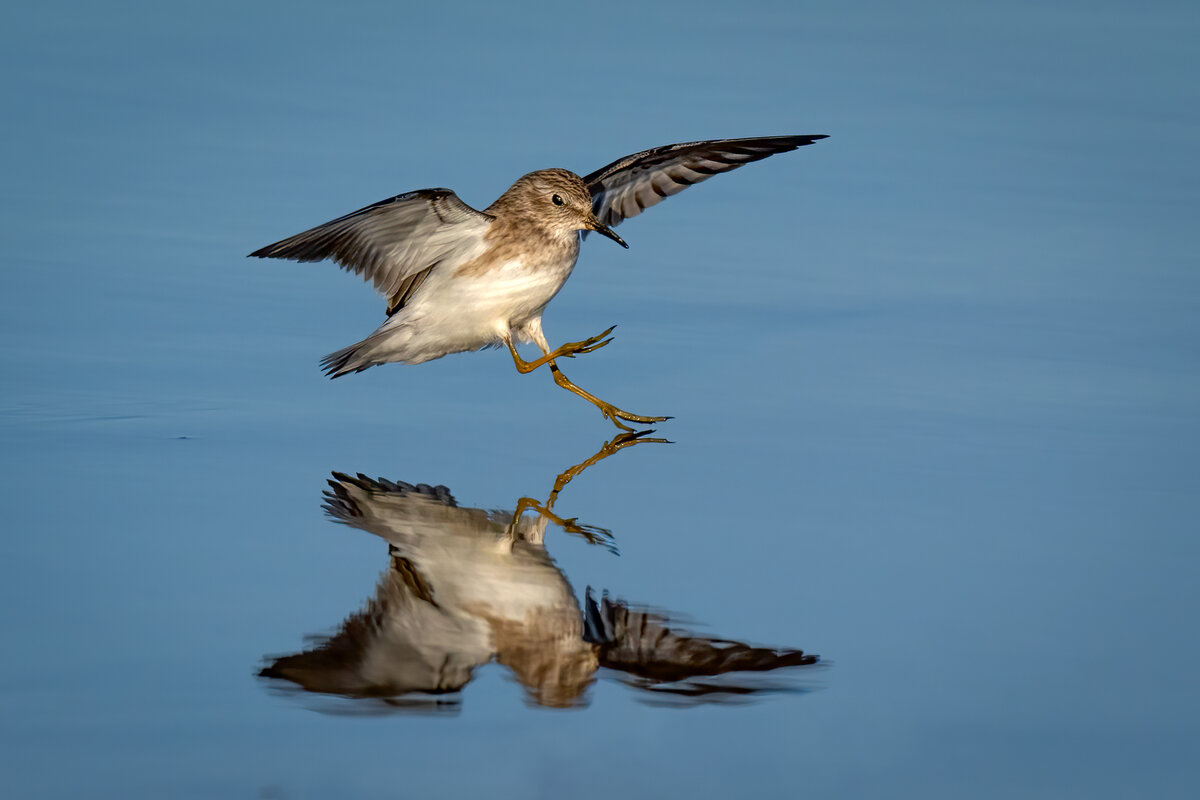
The Least Sandpiper is the smallest shorebird in the world, weighing in at about an ounce and 5-6 inches long. The least sandpiper is the only small sandpiper with yellow legs and feet.

Capturing birds-in-flight has been a frustrating endeavor until I switched to Sony A9 and A1 cameras. Now, it's very easy. The 6 photos above were selected from a 1 second-30 photo burst with every frame in focus. BTW, most modern cameras like the Canon R5 and 1DX3, Nikon D850, D500, Z9, and others are exceptional for birds-in-flight too.
The American white pelican was sitting next to the Canada Geese before he flew. I was going to make a silly remark about "Two's company and three's a crowd," but, I noticed a Killdeer and a Snipe in the lower right corner. That makes five birds. I'll spare you an equally silly comment about being the "Fifth Wheel."
When photographing the pelicans, I used center-weighted metering to prevent the loss of details in the highlights and white feathers.
Double-crested cormorants arguing about roosting rights. I took twenty photos of the squabble. I combined two of them to show the best facial expressions and wing positions.
Long-billed dowitcher in non-breeding plumage.
The Least Sandpiper is the smallest shorebird in the world, weighing in at about an ounce and 5-6 inches long. The least sandpiper is the only small sandpiper with yellow legs and feet.
Capturing birds-in-flight has been a frustrating endeavor until I switched to Sony A9 and A1 cameras. Now, it's very easy. The 6 photos above were selected from a 1 second-30 photo burst with every frame in focus. BTW, most modern cameras like the Canon R5 and 1DX3, Nikon D850, D500, Z9, and others are exceptional for birds-in-flight too.
Last edited:


 This was in Dillion Colorado last Sept, just before going on a fall color hike.
