

Comet Hunter
Supporting Member
The Open Air Museum of Memphis and the nearby Step Pyramid of Djoser in Saqqara represent the foundational era of ancient Egyptian civilization, focusing on the first capital city, Memphis, and its associated necropolis.
Key Highlights of the Memphis Open-Air Museum (Egypt):
#2 Allen, can you read these hieroglyphics, such precision in the carving of these symbols with such crude bronze hand tools
#3 Walking among giants

# 4 so many artifacts to see, even if a little over exposted
Moving on....
The Step Pyramid, located in Saqqara, Egypt, is an ancient pyramid complex built during the Third Dynasty of Ancient Egypt. It was constructed as the tomb for Pharaoh Djoser, who ruled from approximately 2650 to 2575 BCE.
Key Facts About the Step Pyramid:
# 6 Hasen't aged too much for being 4600 years old (give or take)

#7
A view of its foundation, like a iceburg ALWAYS more to what you see above ground
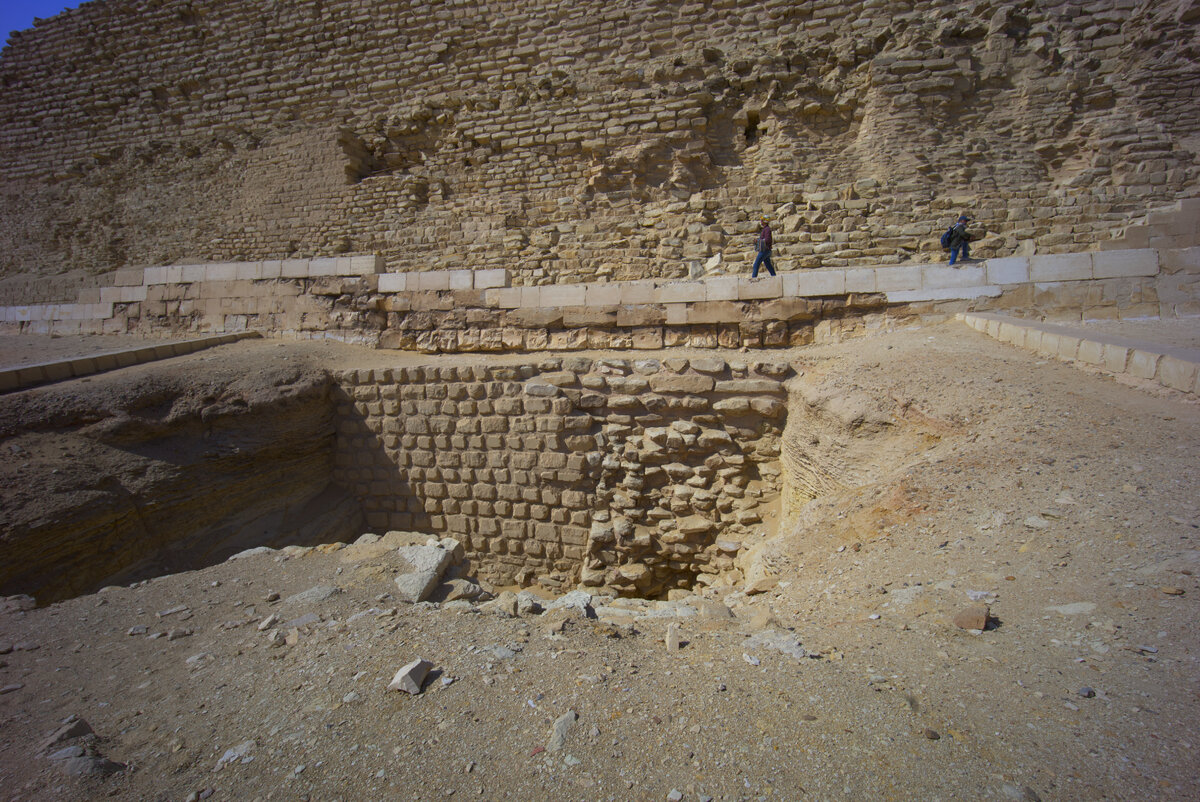
# 8 The looooong entrance to the pyramid

# 9 My wife is 5'6'" tall. (I had to bend over while in this passageway). Image having to carve this out 5000 years ago.
The surprising thing I noticed iwhile exploring these deep tombs, they were not cool like caves I have been in, even though the outside air was in the 70's, perhaps Allen can explane why?

The burial chamber of the Step Pyramid of Djoser in Saqqara is located at the bottom of a central shaft that is 28 meters (approximately 90-92 feet) deep. This granite-lined chamber is situated directly beneath the center of the pyramid and is part of a massive, 5.7-kilometer-long labyrinth of underground tunnels and chambers.
Key Details About the Burial Substructure:
If a picture is worth a 1000 words, a video is worth a 1000 pictures.
#10 A short video of the burial chamber showing its depth and height
Such a experiance to be in this tomb and see and tough these things 1st hand made by men so long ago!
Key Highlights of the Memphis Open-Air Museum (Egypt):
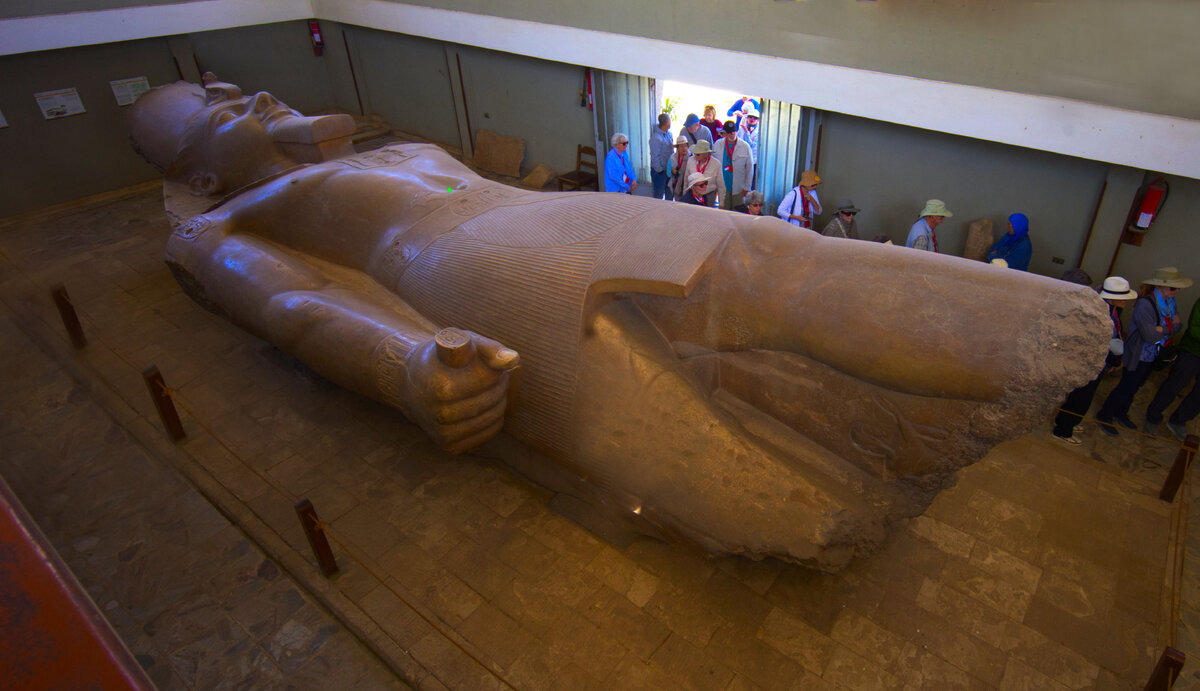
- Colossal Statue of Ramesses II: A massive limestone statue, originally found in a swamp and lying on its back due to missing feet, showcasing detailed carvings.
- Alabaster Sphinx: A large, intricately carved statue weighing 80 tons, located in the center of the open-air museum.
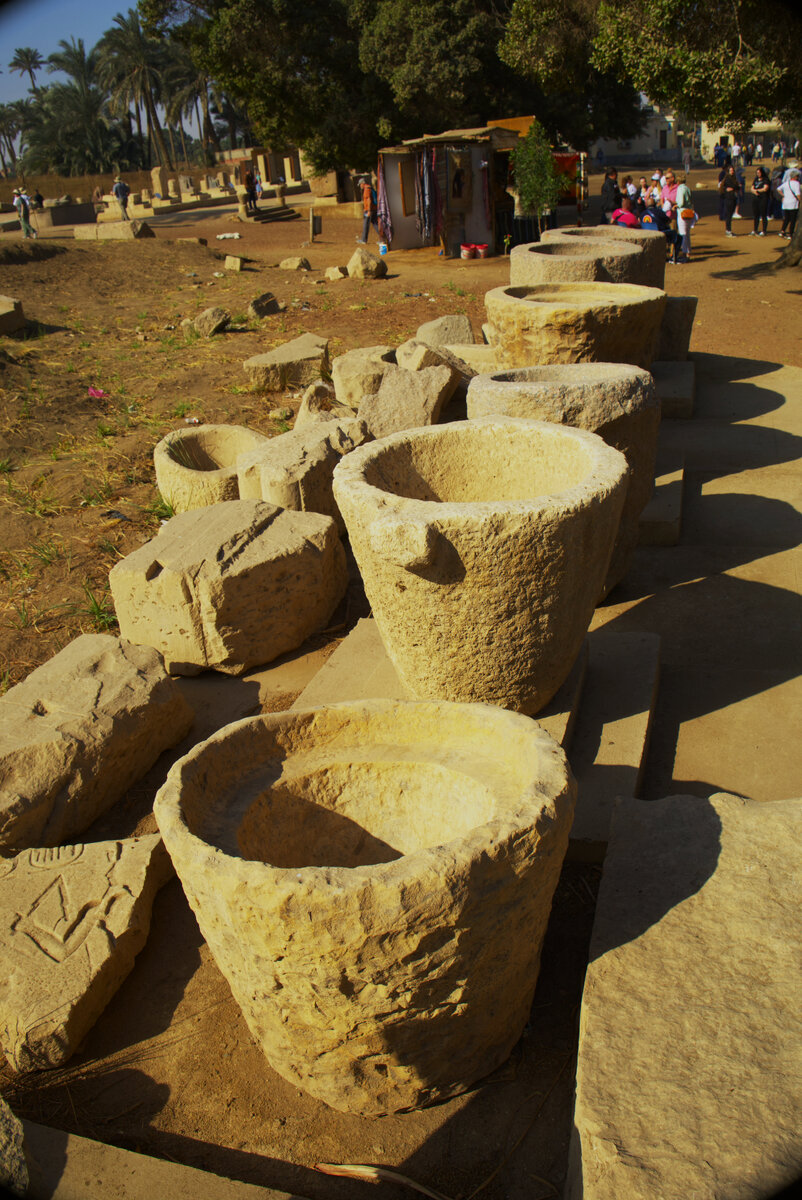
- Temple Ruins: Various columns, capitals with papyrus/lotus designs, and statue fragments from the Temple of Ptah.
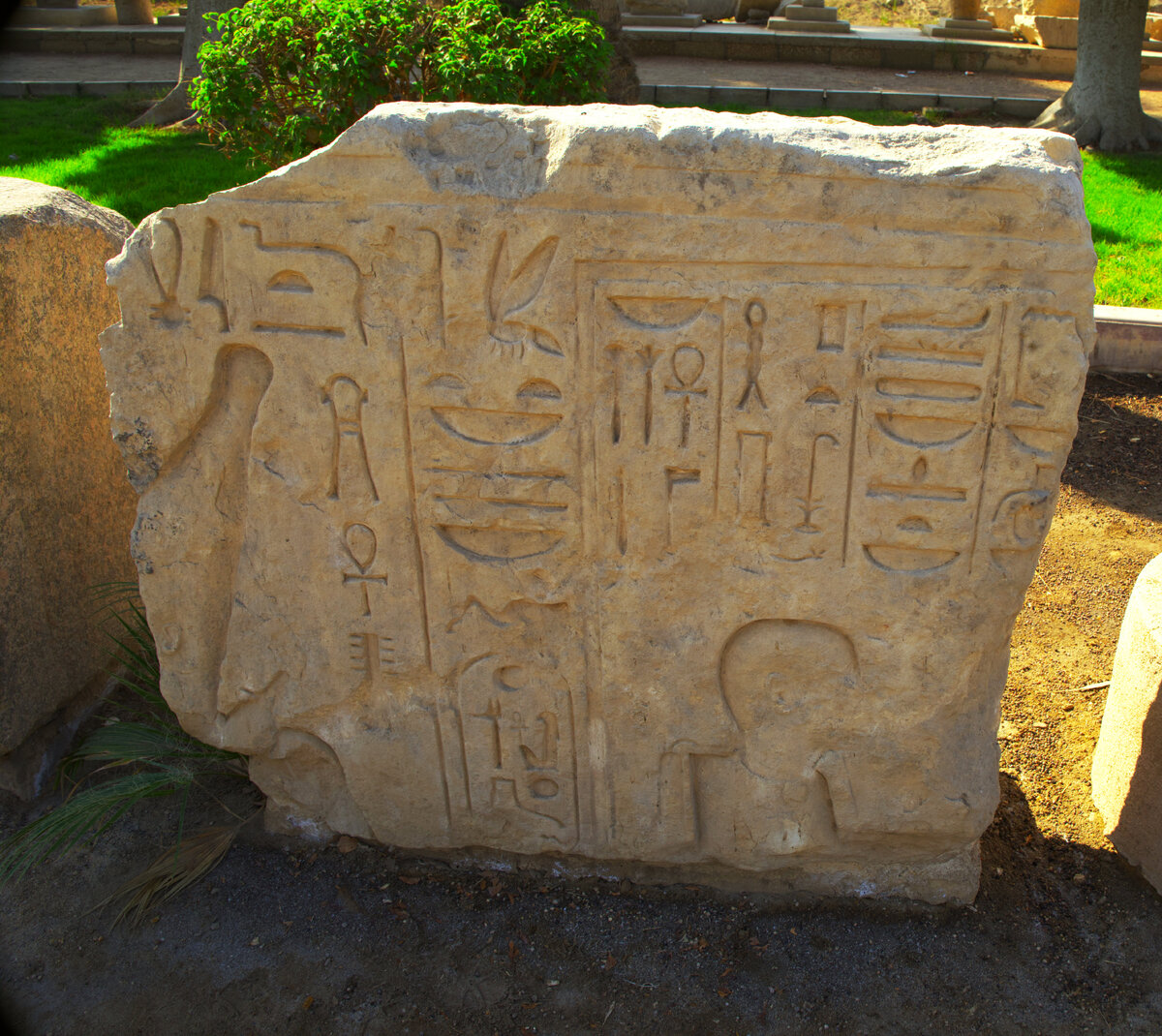
#2 Allen, can you read these hieroglyphics, such precision in the carving of these symbols with such crude bronze hand tools
#3 Walking among giants
# 4 so many artifacts to see, even if a little over exposted
Moving on....
The Step Pyramid, located in Saqqara, Egypt, is an ancient pyramid complex built during the Third Dynasty of Ancient Egypt. It was constructed as the tomb for Pharaoh Djoser, who ruled from approximately 2650 to 2575 BCE.
Key Facts About the Step Pyramid:
- Thought to be the 1st pyramid built *Constructed around the 27th century BC (c. 2670–2630 BC
- Architect: The Step Pyramid was designed by the renowned architect Imhotep, who was later deified for his contributions to architecture and medicine.
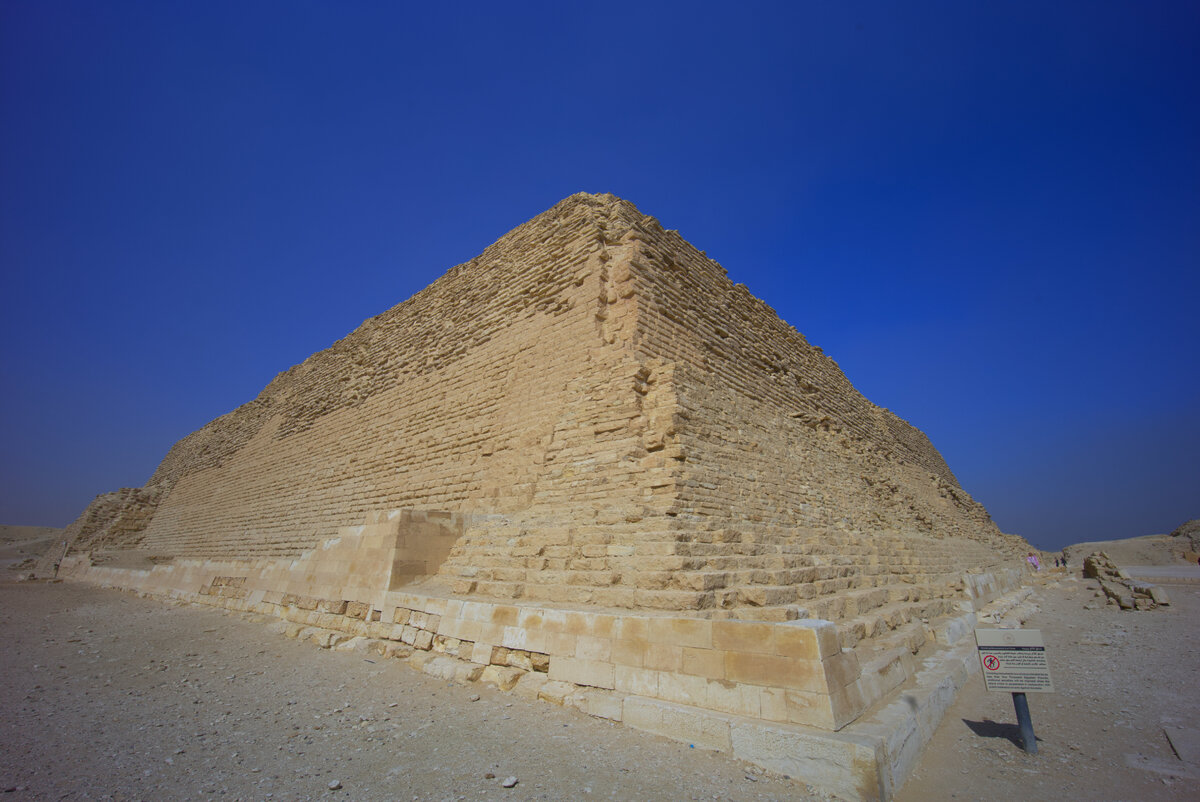
- *Height and Layers: The pyramid stands at a height of 204 feet (62 meters) and consists of six stepped layers.
- *Historical Significance: The Step Pyramid was the largest building of its time and marked a significant transition from traditional mastaba tombs to more complex pyramid structures.
- *Pharaoh Djoser: The pyramid was built as the tomb for Pharaoh Djoser, who was the second ruler of the Third Dynasty of Ancient Egypt.
# 6 Hasen't aged too much for being 4600 years old (give or take)
#7
A view of its foundation, like a iceburg ALWAYS more to what you see above ground
# 8 The looooong entrance to the pyramid
# 9 My wife is 5'6'" tall. (I had to bend over while in this passageway). Image having to carve this out 5000 years ago.
The surprising thing I noticed iwhile exploring these deep tombs, they were not cool like caves I have been in, even though the outside air was in the 70's, perhaps Allen can explane why?
The burial chamber of the Step Pyramid of Djoser in Saqqara is located at the bottom of a central shaft that is 28 meters (approximately 90-92 feet) deep. This granite-lined chamber is situated directly beneath the center of the pyramid and is part of a massive, 5.7-kilometer-long labyrinth of underground tunnels and chambers.
Key Details About the Burial Substructure:
- Depth: The main shaft descends 28 meters down, and some inner chambers are estimated to be even deeper relative to the surface, with some reports noting up to 40 meters to lower levels.
- Location: The underground burial chamber lies directly under the center of the step pyramid.
- Structure: It was originally sealed with a 3.5-ton granite plug stone. Wait.... WHAT?
- Design: The underground complex includes a vast network of tunnels, galleries, and magazines, totaling over 5.5 km in length.
- Discovery: Inside the chamber, archaeologists found fragments of King Djoser's granite sarcophagus, though the mummy itself is gone
If a picture is worth a 1000 words, a video is worth a 1000 pictures.
#10 A short video of the burial chamber showing its depth and height
Such a experiance to be in this tomb and see and tough these things 1st hand made by men so long ago!
