Peter Michal
Well-Known Member
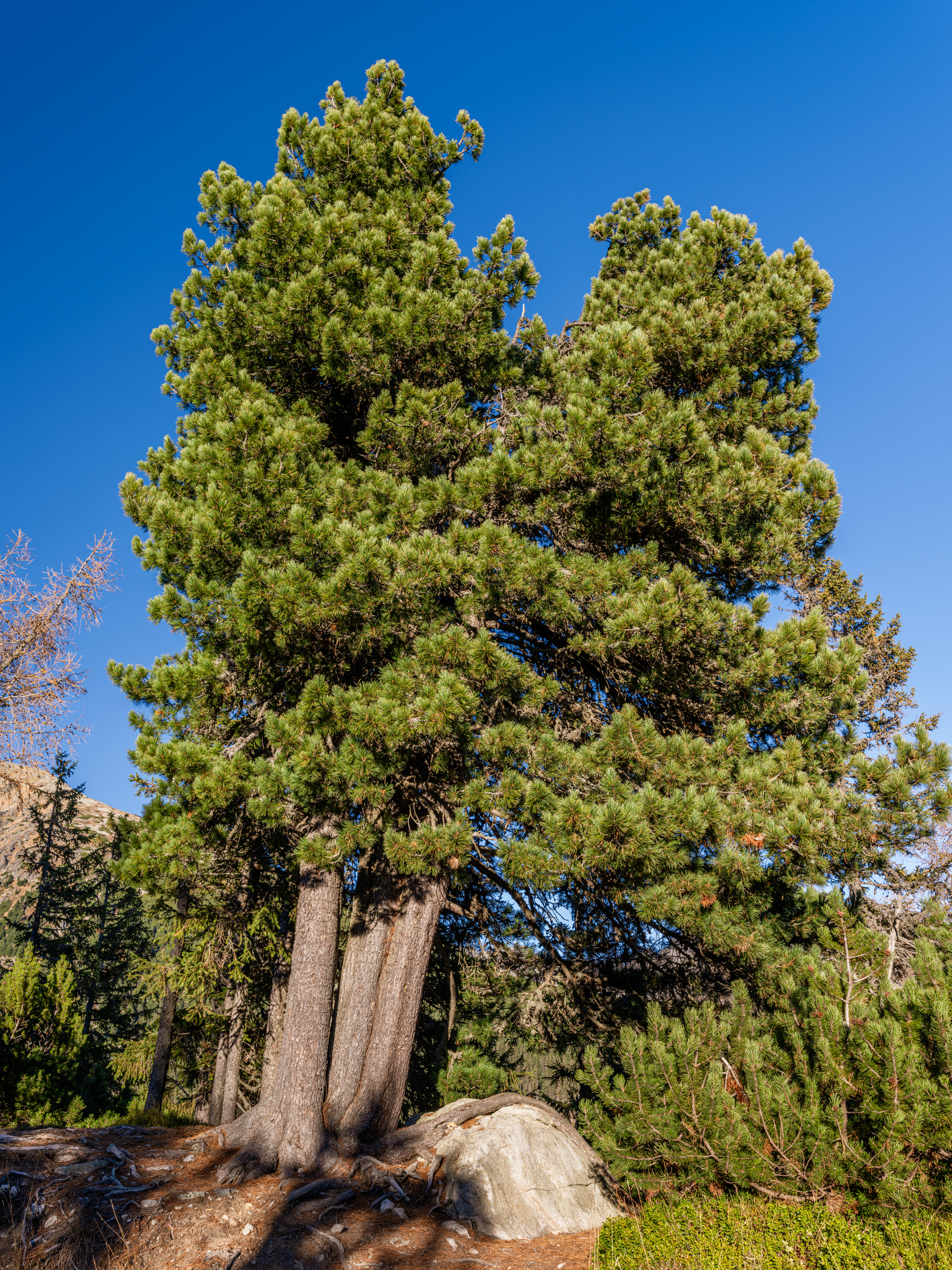
Fujifilm GFX 100s, GF 35-70mm lens (35mm - converted to FF 28mm).
Last edited:


Thanks for the nice comment, Alan. I'm interested in what pine trees look like in the western US, If you have a photo, feel free to add it here so we can see the difference.Interesting looking area that I have to admit I know next to nothing about. These pine trees are quite different from the ones I am familiar with in the western US. Very nice level of detail from that camera.

The most common long needle pine in the western US is the Ponderosa seen here along a trail in Bryce Canyon. In my area west of the Cascade Mountain Range we have mostly spruce and fir with long needle pines only on the drier east side of the mountains.Thanks for the nice comment, Alan. I'm interested in what pine trees look like in the western US, if you have a photo, feel free to post it so we can see the difference.
Thank you, Alan, for the photo of the pine trees in your area in the west. The difference is clearly visible. This is due, among other things, to the dry soil, with less green cover overall. Thanks for this example.The most common long needle pine in the western US is the Ponderosa seen here along a trail in Bryce Canyon. In my area west of the Cascade Mountain Range we have mostly spruce and fir with long needle pines only on the drier east side of the mountains.
There are quite a few varieties of long needle pines east of the Rocky Mountains and along the east coast of the US that are used to wetter environments than my example above but I don't have any images of those as a point of comparison.Thank you, Alan, for the photo of the pine trees in your area in the west. The difference is clearly visible. This is due, among other things, to the dry soil, with less green cover overall. Thanks for this example.
Thank you, Jim, for your comment, (even though it is just an ordinary pine) of the coniferous trees, pine is my favorite. Above Bratislava (the capital of Slovakia), where I come from, there is a small sandy desert and there are beautiful pine forests in it. I liked going there, it was an experience for me, the forests are quite vast there, you can easily get lost.. My father and I used to go looking for tree roots and we used to make/produce various imitations of objects and people from them. These were then sanded and varnished - they served as decoration in the home.Very interesting Peter! I also noticed that pine tree looked about different then many of ours. Yours looks to have shorter but fuller branches.


