

Eric Gofreed
Well-Known Member
For this week’s Winged Wednesday, I’m happy to share five more photos from my unforgettable Brazil trip. A big thank you to everyone who regularly posts their amazing shots—it’s such a joy to see all your captures of winged wonders. Keep clicking and sharing; your photos make hosting Winged Wednesday a wonderful experience!
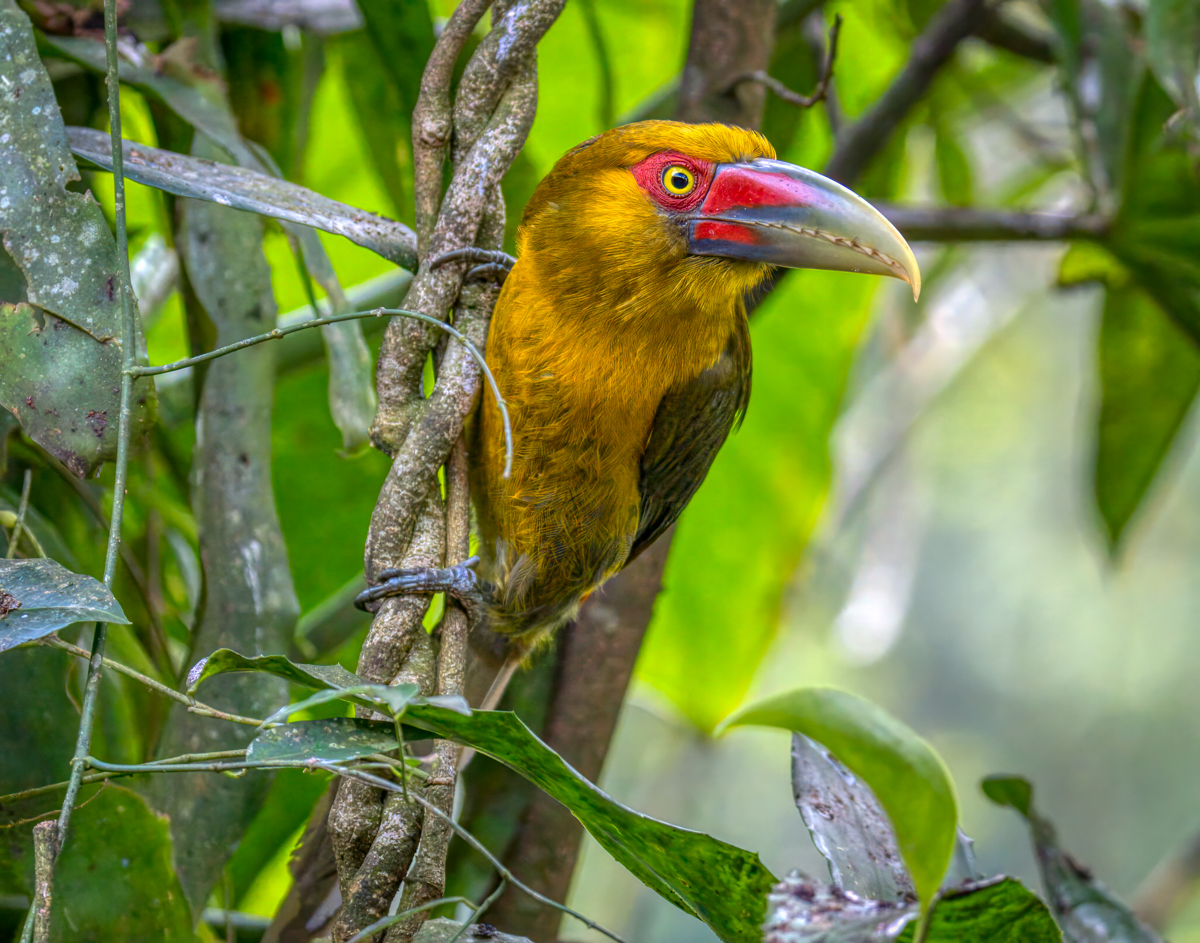
The saffron color of the Saffron Toucanet is likely a result of the pigments in its diet, primarily carotenoids found in fruits. These pigments give their feathers a bright yellow hue, similar to how flamingos get their pink color from their diet. Saffron Toucanets primarily feed on fruits, making them frugivores, but they also consume small animals, insects, and occasionally eggs or nestlings. This varied diet provides them with essential nutrients and contributes to their vibrant plumage.
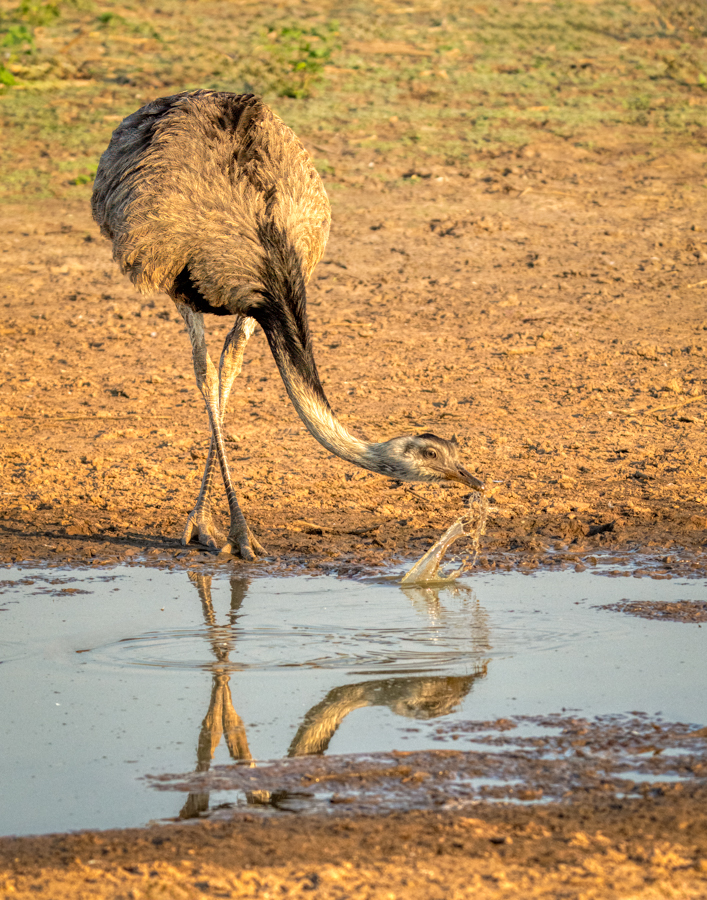
The Greater Rhea is a flightless bird standing up to 5 feet tall, feeding on plants, insects, and small animals. The Rhea is the smallest of the large flightless birds, standing about 4.9 to 5.6 feet tall and weighing between 44 to 88 pounds. Though smaller than an emu, ostrich, or cassowary, it still outpaces most, reaching impressive running speeds of 35 mph.
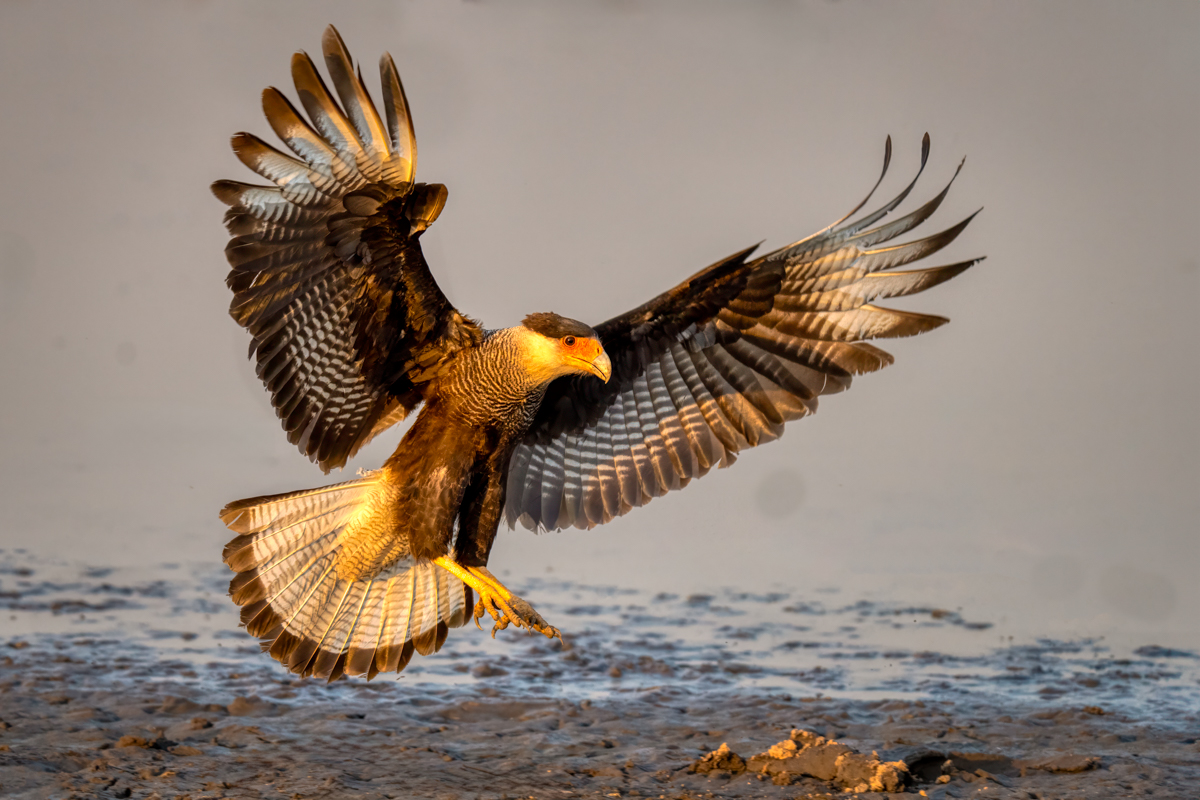
This Crested Caracara was two wingbeats from landing. He was photographed in the Pantanal, Brazil. I’ve also photographed them in Texas and Arizona. They are the same species with no regional differences in size or color.
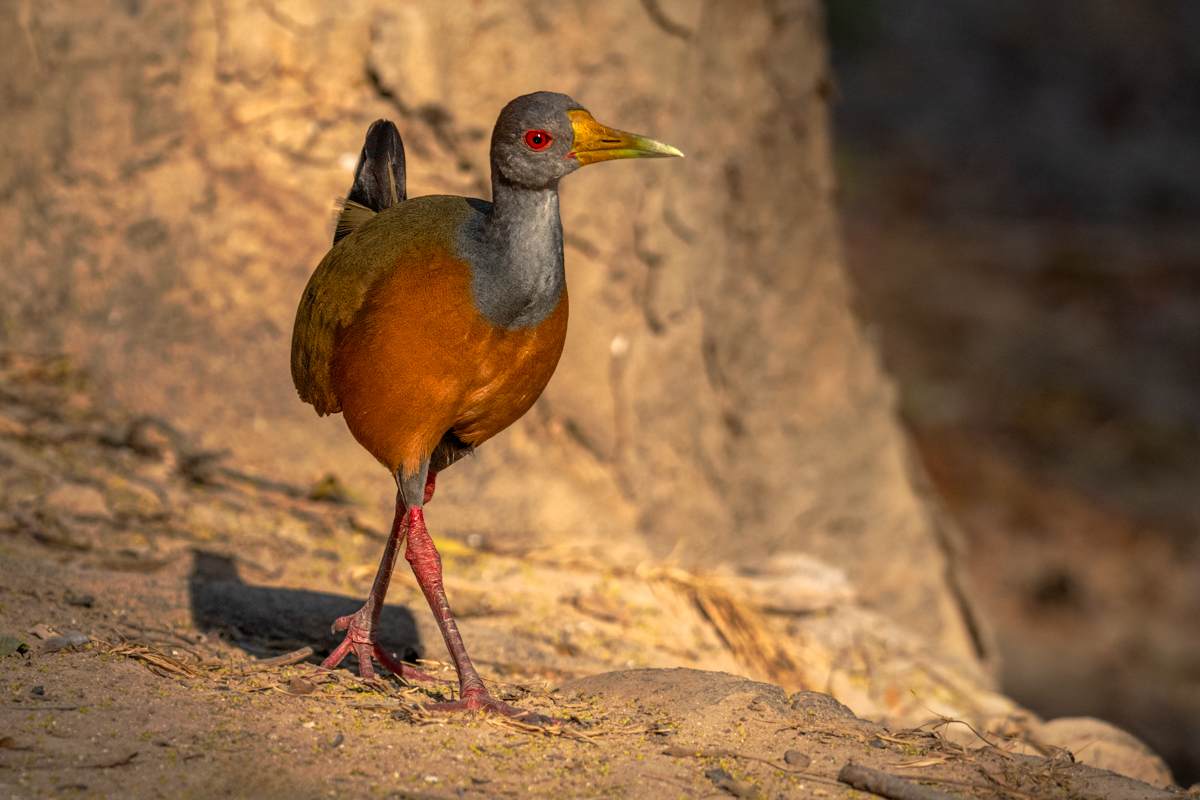
The Gray-Cowled Wood Rail is known for its elusive nature. This bird thrives in wetland habitats, foraging for seeds, insects, and crustaceans.
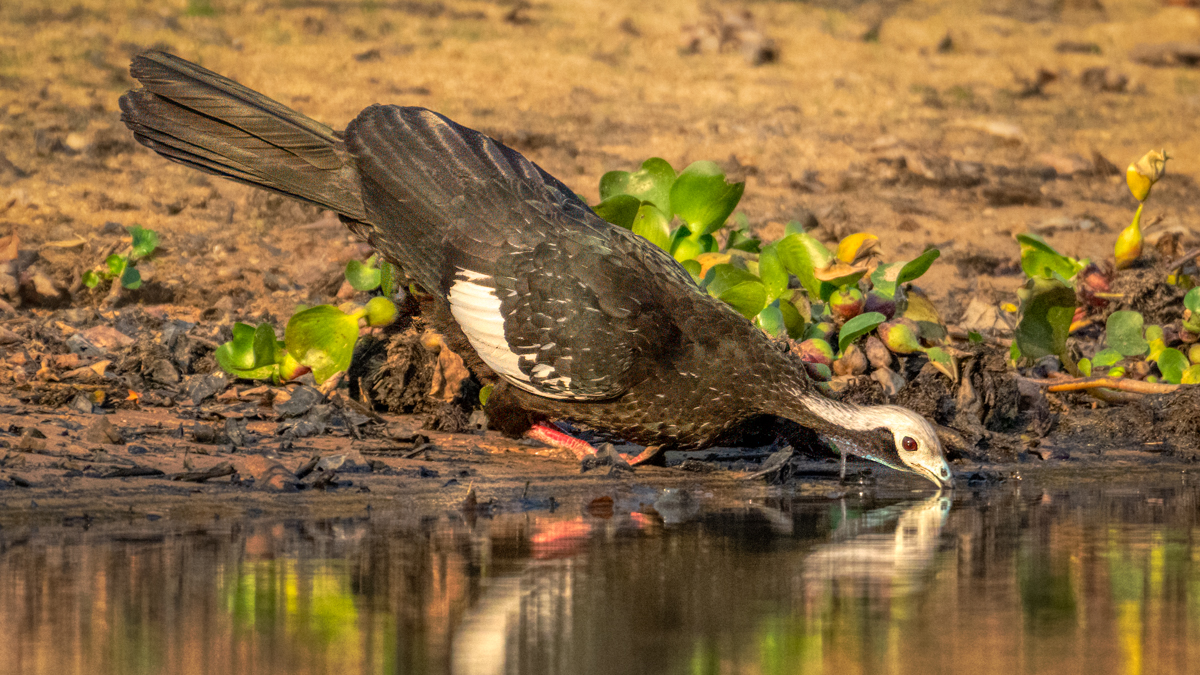
The White-Throated Piping Guan is a rare find in the wild! This stunning bird has a diverse diet and primarily feeds on fruits, seeds, and leaves. The White-Throated Piping Guan is considered near threatened. Its population is declining due to habitat loss and hunting. Growing up to 25 inches long, its striking appearance and rarity make it a privilege to photograph.
The saffron color of the Saffron Toucanet is likely a result of the pigments in its diet, primarily carotenoids found in fruits. These pigments give their feathers a bright yellow hue, similar to how flamingos get their pink color from their diet. Saffron Toucanets primarily feed on fruits, making them frugivores, but they also consume small animals, insects, and occasionally eggs or nestlings. This varied diet provides them with essential nutrients and contributes to their vibrant plumage.
The Greater Rhea is a flightless bird standing up to 5 feet tall, feeding on plants, insects, and small animals. The Rhea is the smallest of the large flightless birds, standing about 4.9 to 5.6 feet tall and weighing between 44 to 88 pounds. Though smaller than an emu, ostrich, or cassowary, it still outpaces most, reaching impressive running speeds of 35 mph.
This Crested Caracara was two wingbeats from landing. He was photographed in the Pantanal, Brazil. I’ve also photographed them in Texas and Arizona. They are the same species with no regional differences in size or color.
The Gray-Cowled Wood Rail is known for its elusive nature. This bird thrives in wetland habitats, foraging for seeds, insects, and crustaceans.
The White-Throated Piping Guan is a rare find in the wild! This stunning bird has a diverse diet and primarily feeds on fruits, seeds, and leaves. The White-Throated Piping Guan is considered near threatened. Its population is declining due to habitat loss and hunting. Growing up to 25 inches long, its striking appearance and rarity make it a privilege to photograph.


