Winged Wednesday 4/13/2022

Eric Gofreed

Well-Known Member
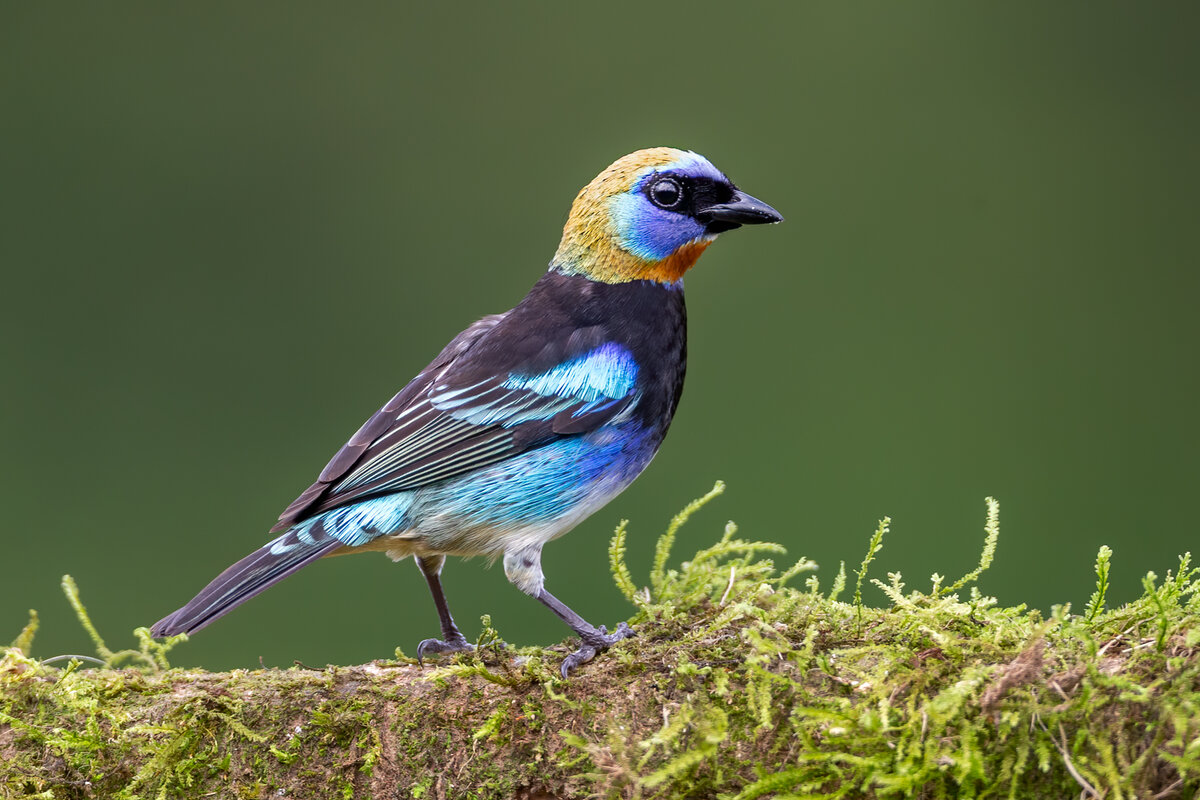
My contribution for today's Winged Wednesday is the second series of five Columbian tanager photos. Tanagers are usually brightly colored birds that have short rounded wings and bills that evolved for their foraging niche. Males are brighter than females. Tanagers are primarily found in the Neotropical region ( Central America, the Caribbean, and South America). We have five species in North America (six if we count bananaquits). Tanagers represent 4% of the world's bird species and 12% of the Neotropic bird species.
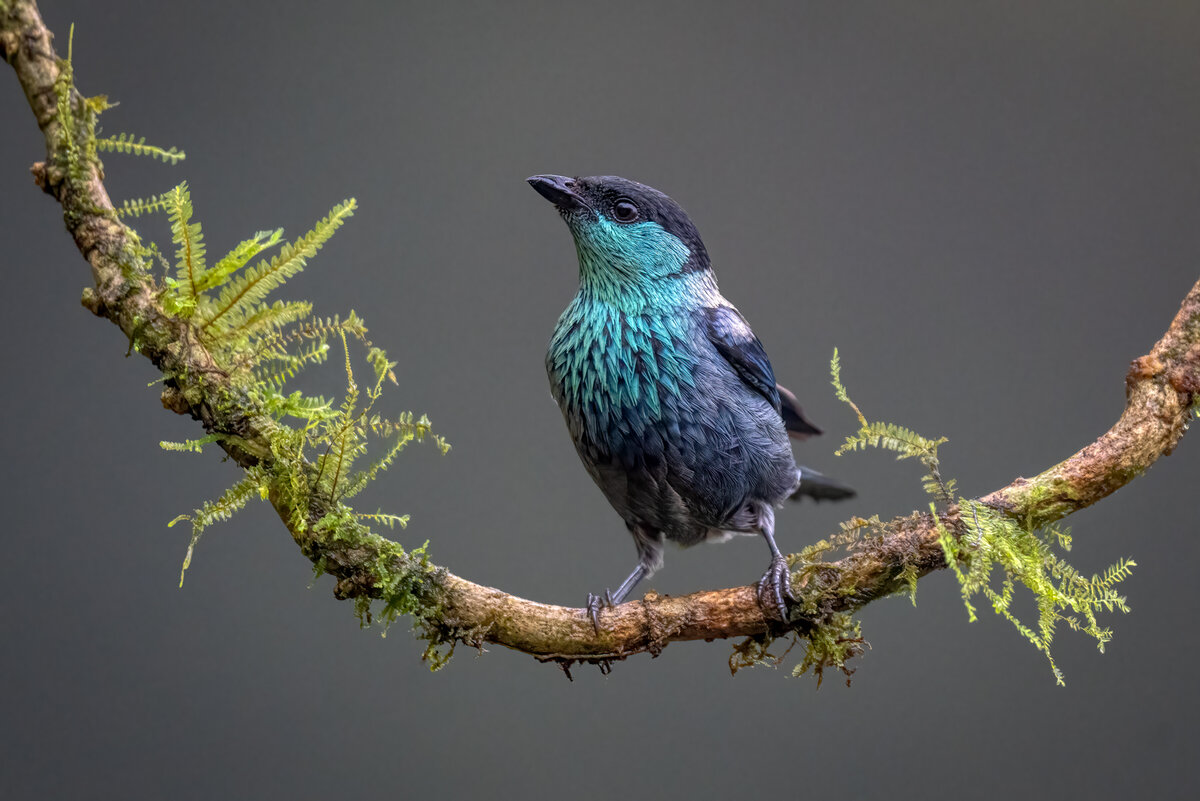
Black-capped Tanage-.jpg

Black-capped tanager

Golden Tanager-09836-Edit.jpg

Golden Tanager


Blue-necked tanage-09935-Edit.jpg

Blue-necked tanager

Crimson-backed Tanager-.jpg

Crimson-backed tanager

Golden Hooded Tanager2429-Edit.jpg

Golden-hooded tanager
 

Attachments

Ken Rennie

Well-Known Member
Coots are definitely not colourful. Not found in the Americas, they are slightly smaller than a mallard and for most of the year are frankly boring. At this time of the year however both sexes become incredibly aggressive and for no reason that I can work out will launch themselves across 100s of feet of pond to attack another coot or duck, only swans seem immune to attack. They are poor flyers but run across the surface with wings whirring and raucous calls to land on another bird. I have neither the skill nor the equipment to capture them properly but here are the best from this week. They also have the most unfortunate looking chicks, this image from last year. Ken
_DSC1034-1 copy.jpg

_DSC0875-1 copy.jpg

_DSC0886-1 copy.jpg

_DSC2366-1 copy.jpg
 
Last edited:

Eric Gofreed

Well-Known Member
Coots are definitely not colourful. Not found in the America's, they are slightly smaller than a mallard and for most of the year are frankly boring. At this time of the year however both sexes become incredibly aggressive and for no reason that I can work out will launch themselves across 100's of feet of pond to attack another coot or duck, only swans seem immune to attack. They are poor flyers but run across the surface with wings whirring and raucous calls to land on another bird. I have neither the skill nor the equipment to capture them properly but her are the best from this week. They also have the most unfortunate looking chicks, this image from last year. Ken
View attachment 48291
View attachment 48289
View attachment 48290
View attachment 48292
great coot series, Ken. I do like to watch them run on the water
 
Top Bottom