

Eric Gofreed
Well-Known Member
My contribution for this week's Winged Wednesday are bugs photographed in my yard this week. When it comes to bugs, I let them come to me. I turn on the backdoor lights, add two lamps with 60 watt lightbulbs, and a florescent black light, and wait for the bugs to come in. I sit at my outdoor studio (a table) with camera, flash and diffuser set-up and click away at the interesting ones. I have clamps and a variety of perches too. I don't kill insect for photography. It just doesn't feel right. It's kind of silly because the birds arrive in the morning and eat them.
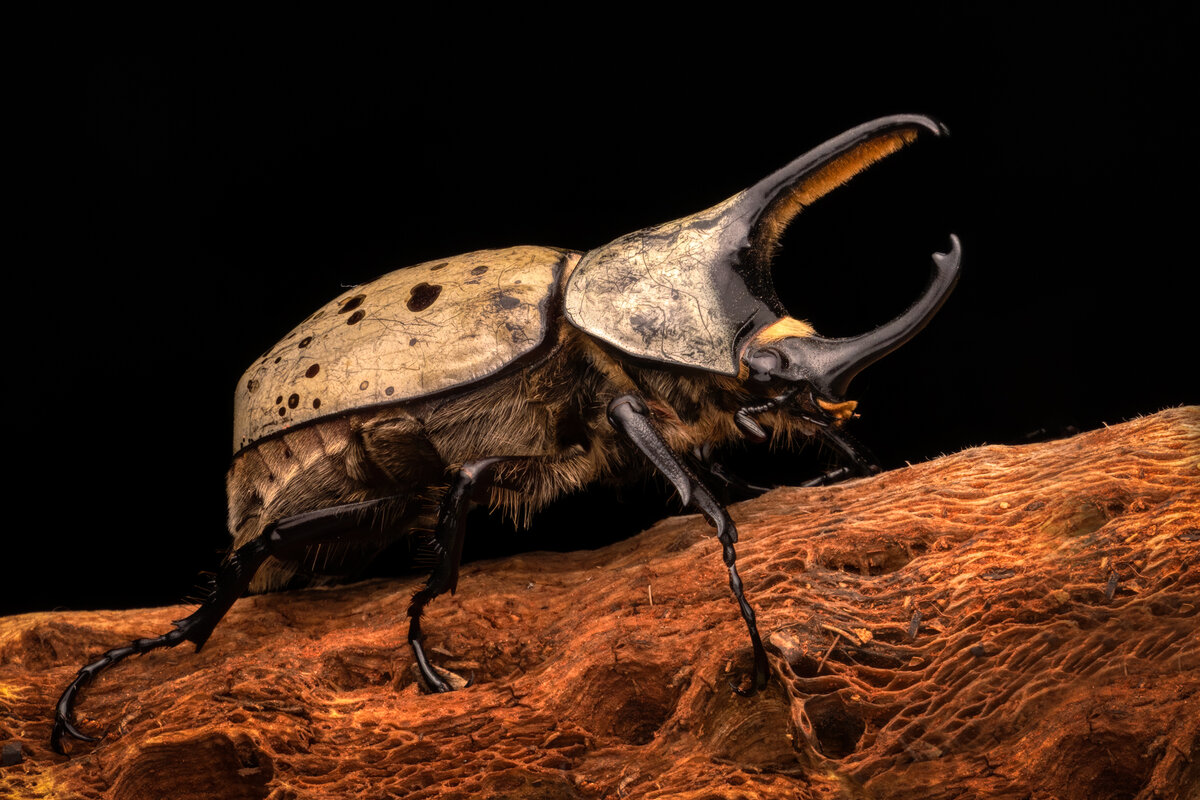
Grant's Hercules Beetle on cholla. The camera is important for macros, but not as important as the choice of lens and flash with diffuser. I used a 24 to 105 lens set at 55 mm so the entire beetle was in DOF focus area. The flash and diffuser only light the top and front of the beetle. With white cards, I reflected light to the face and ventrum of the beetle.
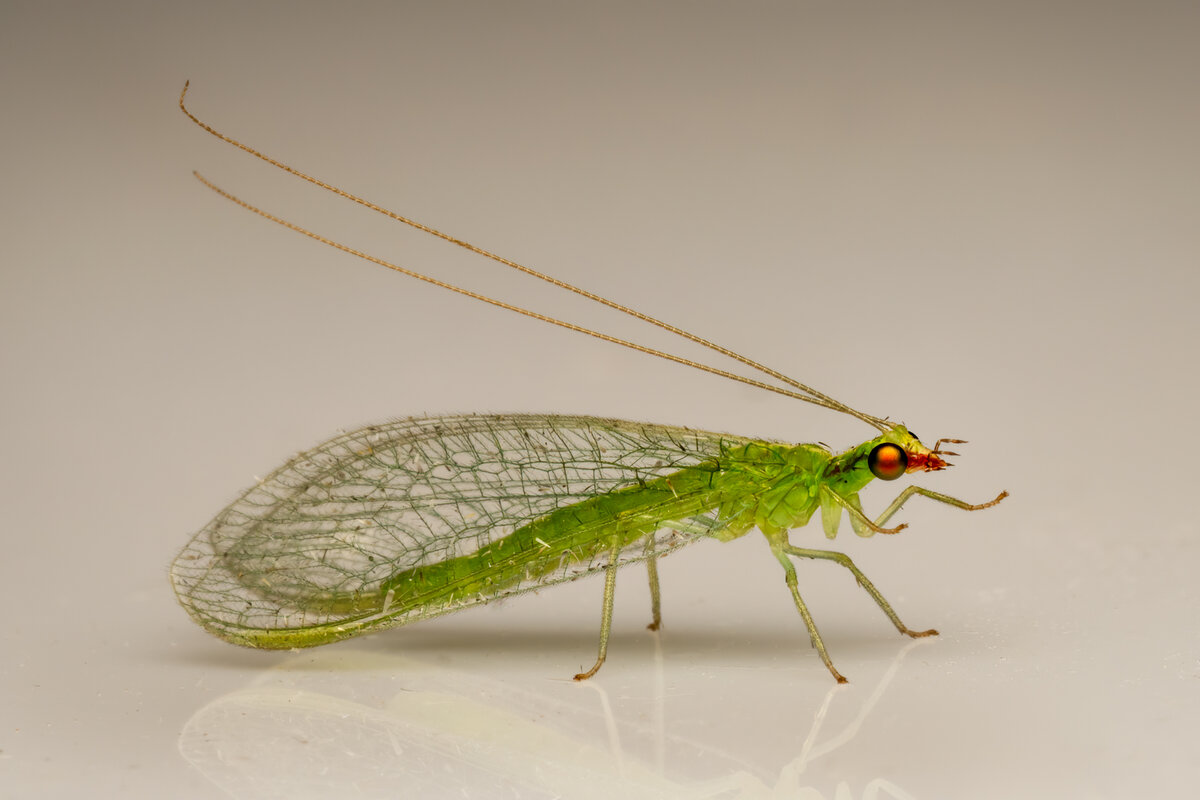
The Green Lacewing is tiny compared to the Hercules beetle. So a 90 mm macro lens was sufficient for DOF and capturing the delicate details. The Flash with diffuser was attached to the Camera. The flash with the reflective Plexiglas lit the bug from top to bottom.

White lined sphinx; Using the 200 to 600 mm lens, natural light was all I needed to capture this hummingbird moth while he sipped nectar. Camera settings: 1/3200 sec, f/9 and ISO 2000

Praying Mantis (Stagmomantis limbata) also called the Bordered Mantis or Arizona Mantis (90 mm macro lens)

Red-humped caterpillar moth The white Plexiglas background has a LED light panel behind it. (90 mm macro)
Grant's Hercules Beetle on cholla. The camera is important for macros, but not as important as the choice of lens and flash with diffuser. I used a 24 to 105 lens set at 55 mm so the entire beetle was in DOF focus area. The flash and diffuser only light the top and front of the beetle. With white cards, I reflected light to the face and ventrum of the beetle.
The Green Lacewing is tiny compared to the Hercules beetle. So a 90 mm macro lens was sufficient for DOF and capturing the delicate details. The Flash with diffuser was attached to the Camera. The flash with the reflective Plexiglas lit the bug from top to bottom.
White lined sphinx; Using the 200 to 600 mm lens, natural light was all I needed to capture this hummingbird moth while he sipped nectar. Camera settings: 1/3200 sec, f/9 and ISO 2000
Praying Mantis (Stagmomantis limbata) also called the Bordered Mantis or Arizona Mantis (90 mm macro lens)
Red-humped caterpillar moth The white Plexiglas background has a LED light panel behind it. (90 mm macro)


