Winged Wednesday — April 1, 2025 (April Fools Edition)

Eric Gofreed

Well-Known Member
It’s Winged Wednesday—where feathers, flutters, and flight steal the show! Whether they’re soaring, skimming, stalking, or striking a pose… birds, bugs, bats, insects, or even airplanes—if it has wings, we want to see it. If it’s got wings, it belongs here.

Always an open theme — all winged photos welcome.

I was going to post plovers this week.
But it’s April 1st.

So instead, I present a collection of birds that appear to have been designed by a committee that stopped taking the assignment seriously halfway through.

Birds with questionable decisions.
Dubious proportions.
And features that suggest evolution occasionally says,
“Let’s just see what happens.”
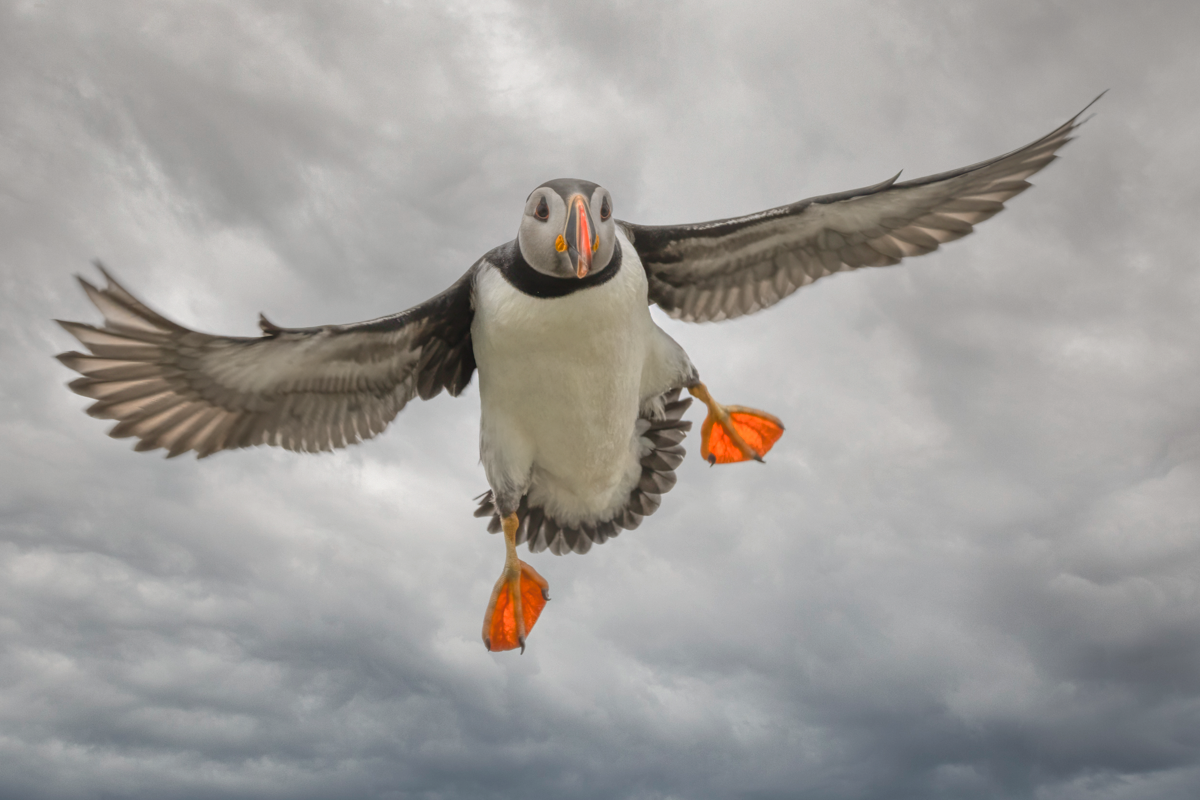
Atlantic puffin-04315-Edit.png

Atlantic Puffin
Nature’s attempt at a clown… that fishes.
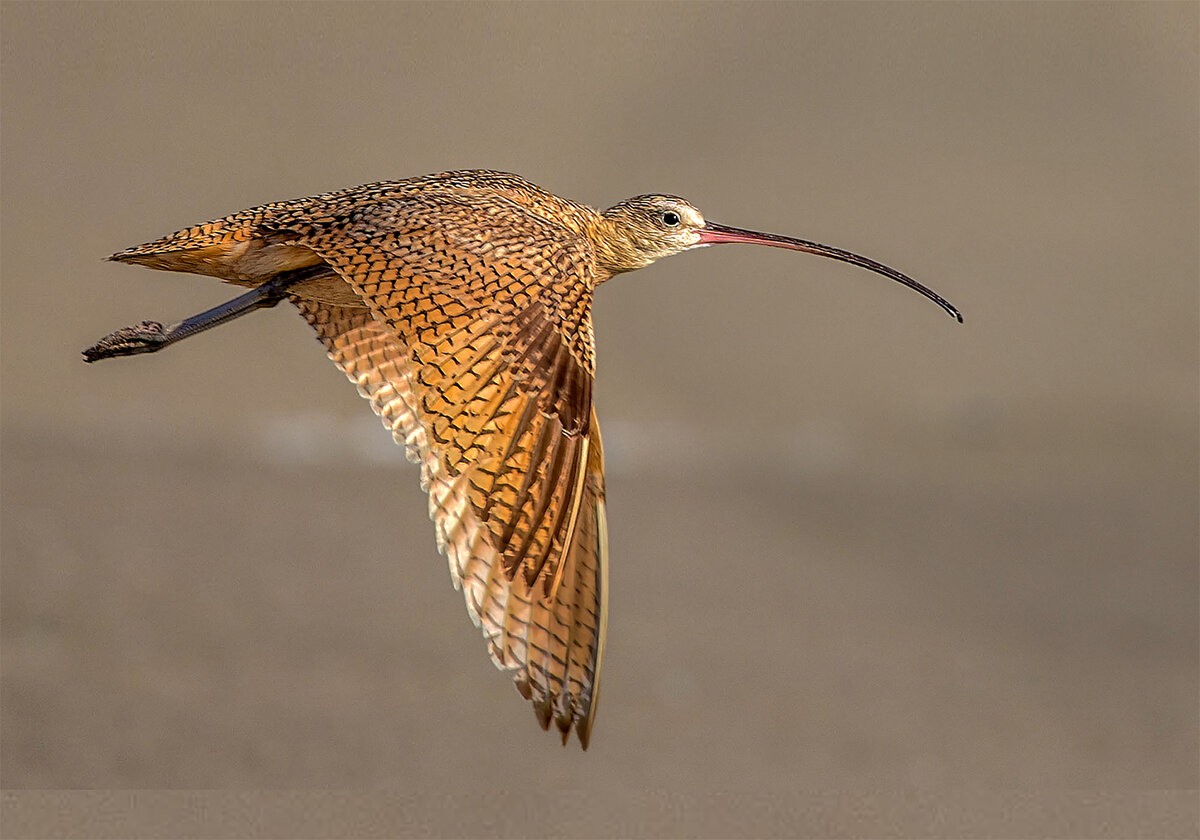
Long-billed Curlew copy.jpg

Long-billed Curlew — When “just a little longer” goes too far
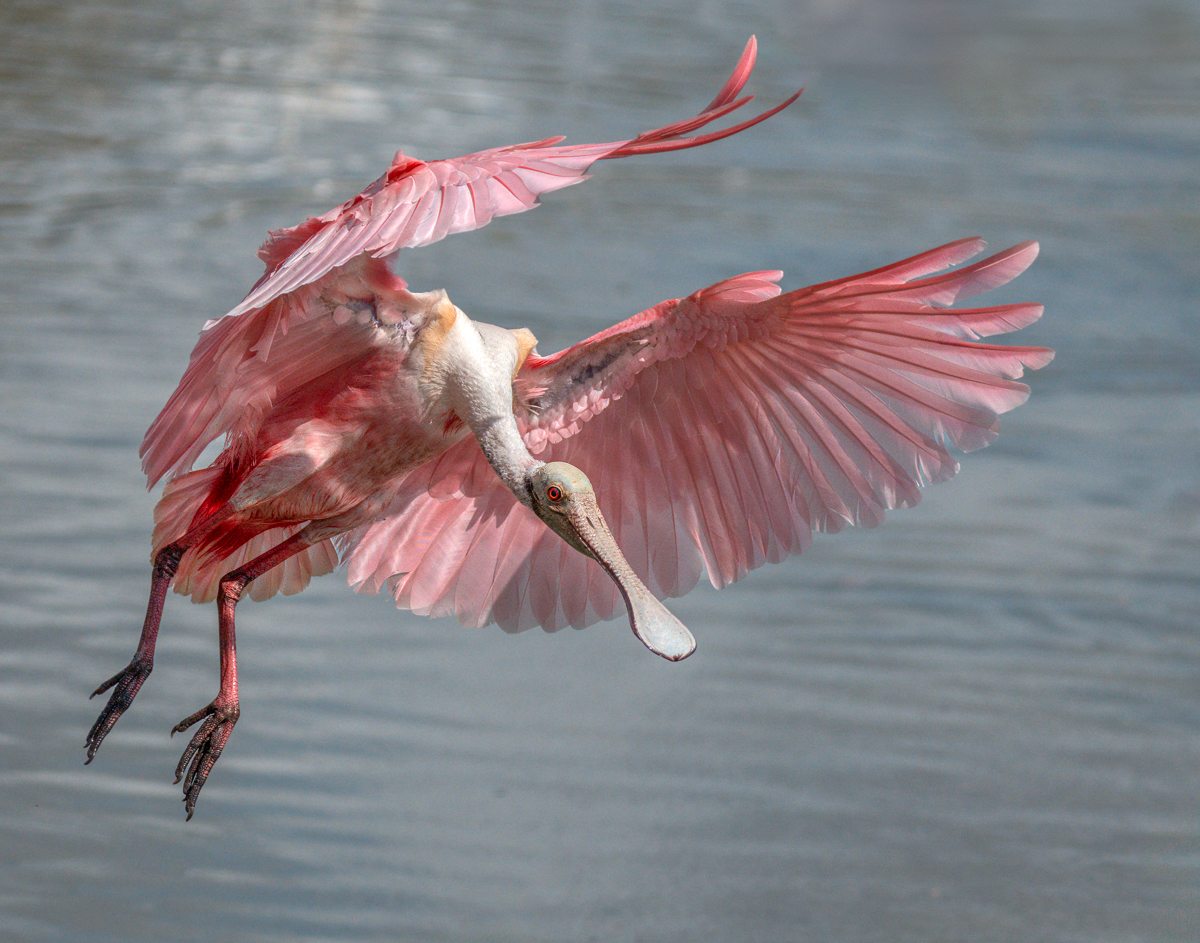
Roseate Spoonbill-02506-Edit-2.jpg

Roseate Spoonbill
Flamingo’s eccentric cousin. Pink, paddle-billed, and somehow still acting like this is normal.
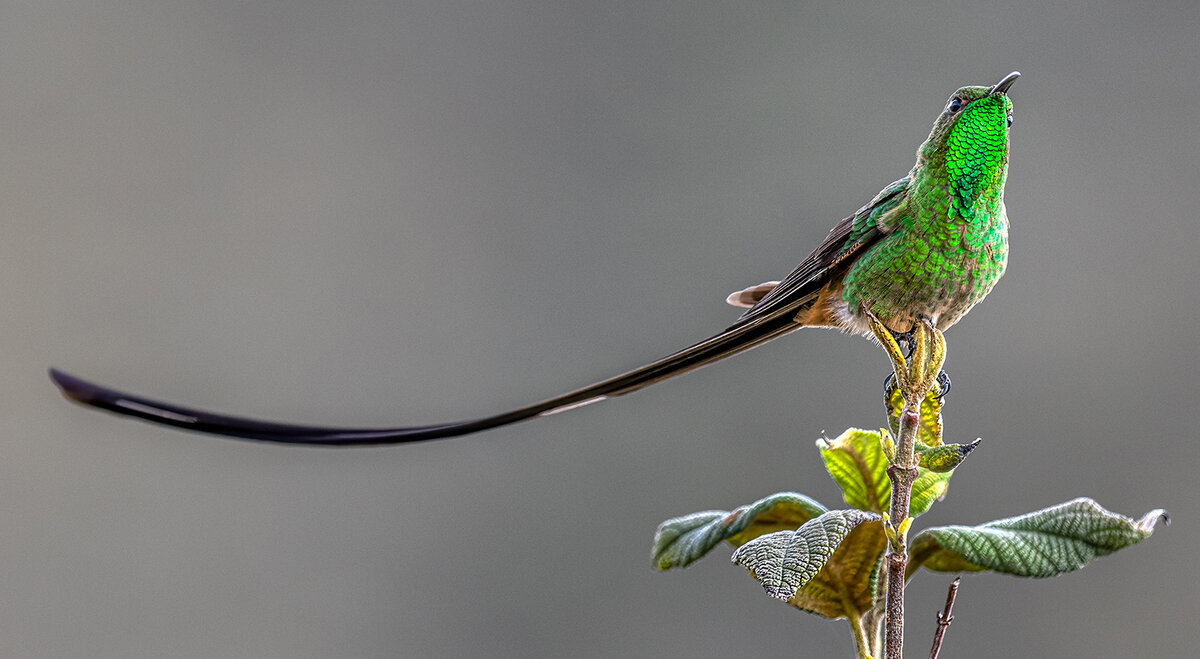
Black-tailed trainbearer.jpg

Black-tailed Trainbearer
Aerodynamic in theory.
Decorative in practice.
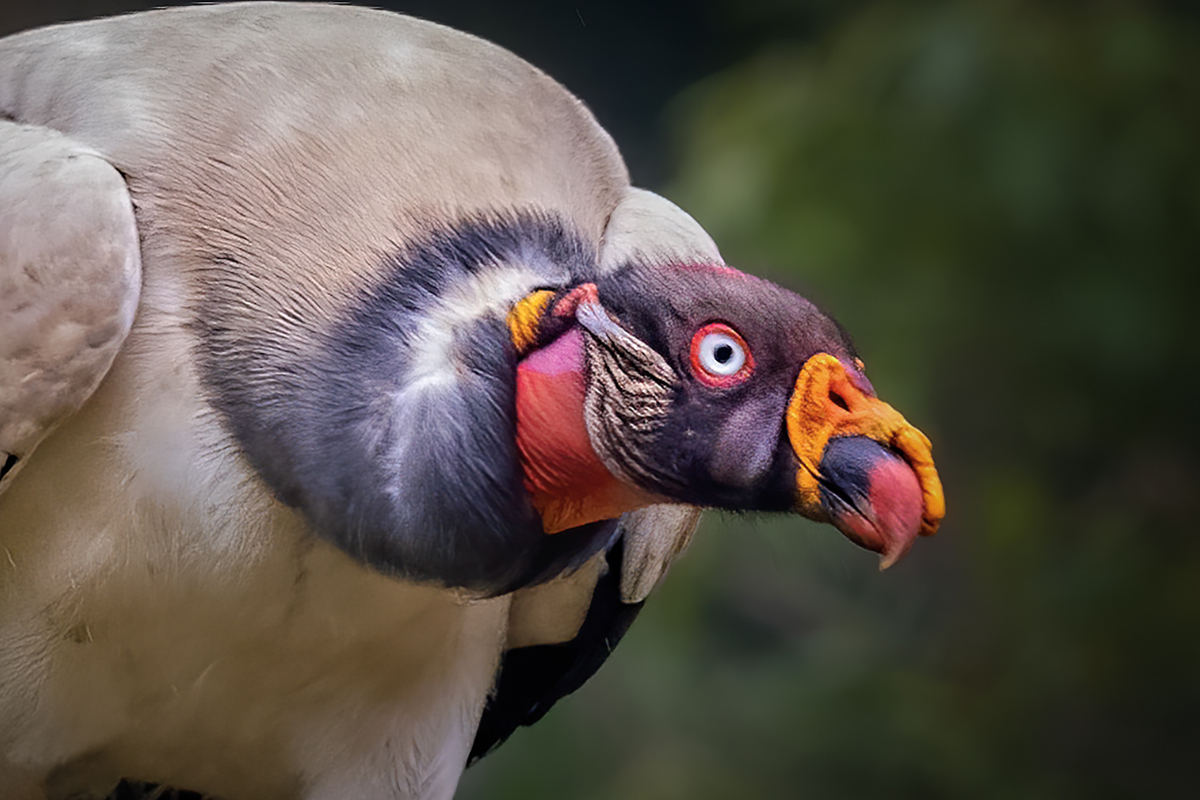

King Vulture headshot.jpg

King Vulture
Evolution: “Let’s try blue, orange, yellow, black, and red … all at once."
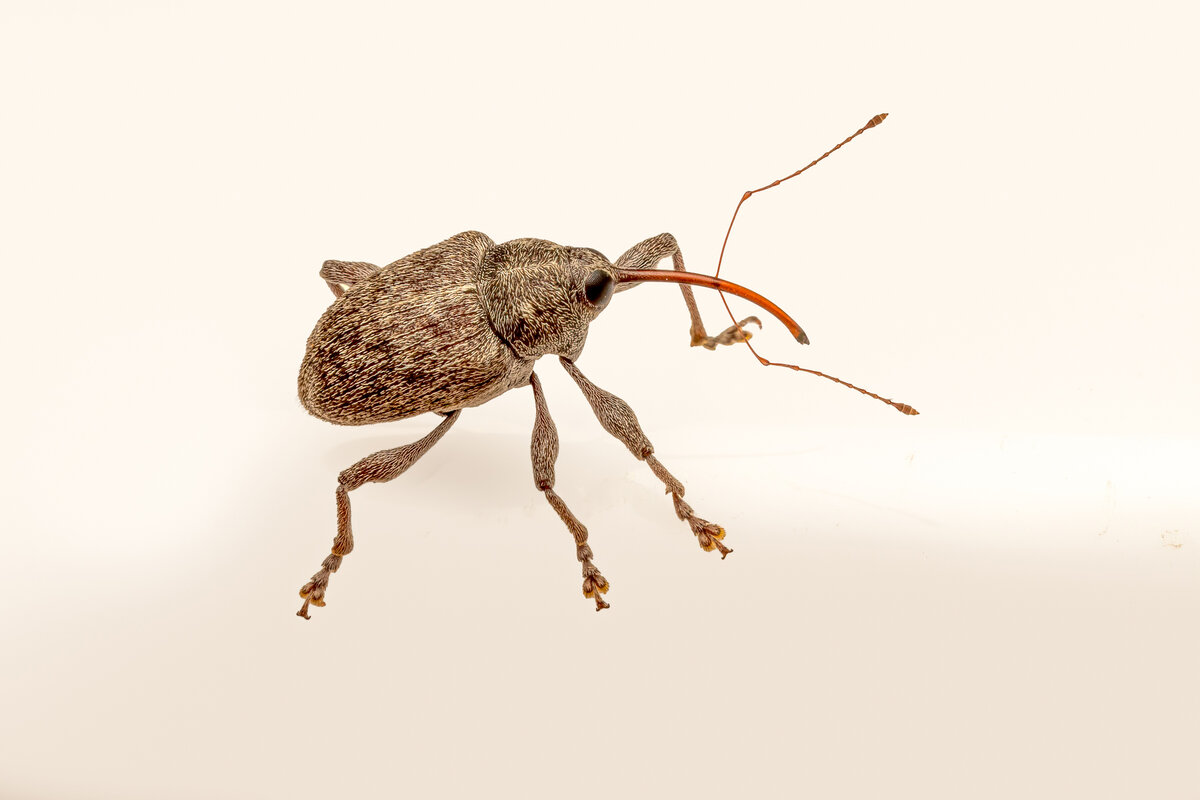
Acorn Weevils -8131-Edit (6).jpg

Acorn Weevil— Antennae on his nose. Looks like Gonzo.
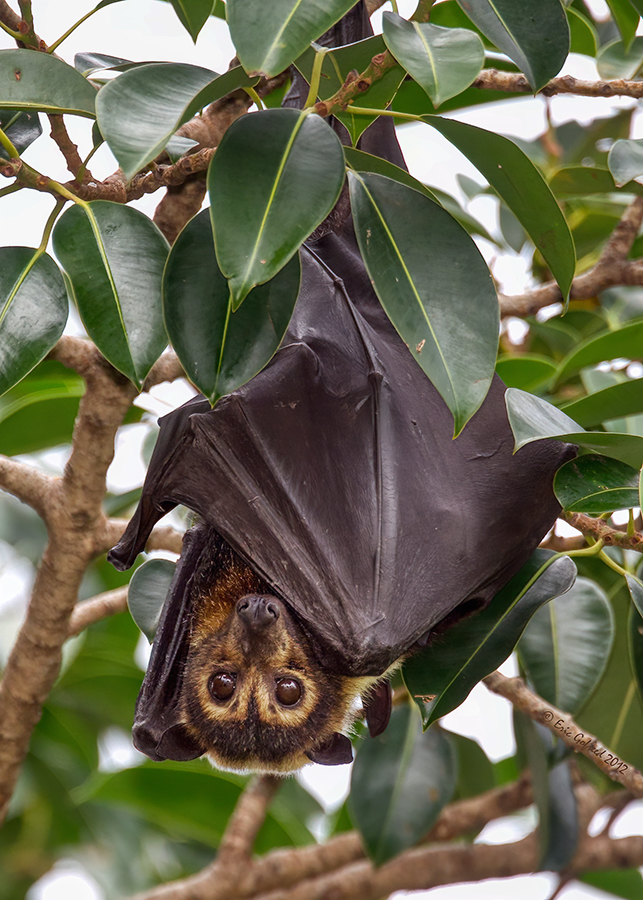
Spectacled Flying Fox.jpg

Spectacled Flying Fox — Not a bird. Not a fox. It’s a bat—named by someone who clearly stopped caring.
 

Roger Bailey

Well-Known Member
Love these, good concept too! I especially appreciate the unlikely appearance of insects. If you look closely can see most of our alien caricature in the movies. LOL
 

AlanLichty

Moderator
My efforts to collect more shots of things with wings has not been fruitful lately but I did manage to get a couple of captures that fit here. I have been out looking for pollinators recently but they have been few and far between in my garden so far this year.

Lining up for a flower shot I caught a view of this butterfly on the ground near my feet. Sadly a flower blocked my view of its head and it flew off before I could change where I was standing.

CR5m2_Butterfly032726.jpg


I did find that I could see my neighbor's feeder from a deck landing behind my house with a finch feeding fest in progress:

CR5m2_FinchFest033026.jpg
 

Trent Watts

Well-Known Member
Travelling interrupted my ability to respond to WW so a bit late but here goes.
All images shot at Slocan in the last week.

Pacific Wren in some bull rushes with a rim of frost.
M3274046.jpg


Bald Eagle heading to a nesting site on Slocan Lake.
M3274405.jpg


Chestnut-backed Chickadee in the bush beside the house.
M3274522.jpg


White-winged Crossbill in the same tree as the Chickadee... Female first then the male.
M3284658.jpg
M3284684.jpg
 

Trent Watts

Well-Known Member
It’s Winged Wednesday—where feathers, flutters, and flight steal the show! Whether they’re soaring, skimming, stalking, or striking a pose… birds, bugs, bats, insects, or even airplanes—if it has wings, we want to see it. If it’s got wings, it belongs here.

Always an open theme — all winged photos welcome.

I was going to post plovers this week.
But it’s April 1st.

So instead, I present a collection of birds that appear to have been designed by a committee that stopped taking the assignment seriously halfway through.

Birds with questionable decisions.
Dubious proportions.
And features that suggest evolution occasionally says,
“Let’s just see what happens.”

View attachment 88319
Atlantic Puffin
Nature’s attempt at a clown… that fishes.

View attachment 88315
Long-billed Curlew — When “just a little longer” goes too far

View attachment 88318
Roseate Spoonbill
Flamingo’s eccentric cousin. Pink, paddle-billed, and somehow still acting like this is normal.

View attachment 88321
Black-tailed Trainbearer
Aerodynamic in theory.
Decorative in practice.


View attachment 88322
King Vulture
Evolution: “Let’s try blue, orange, yellow, black, and red … all at once."

View attachment 88320
Acorn Weevil— Antennae on his nose. Looks like Gonzo.

View attachment 88316
Spectacled Flying Fox — Not a bird. Not a fox. It’s a bat—named by someone who clearly stopped caring.
Oh how I enjoyed your images and descriptions Eric. Well done.
 

Eric Gofreed

Well-Known Member
My efforts to collect more shots of things with wings has not been fruitful lately but I did manage to get a couple of captures that fit here. I have been out looking for pollinators recently but they have been few and far between in my garden so far this year.

Lining up for a flower shot I caught a view of this butterfly on the ground near my feet. Sadly a flower blocked my view of its head and it flew off before I could change where I was standing.

View attachment 88328

I did find that I could see my neighbor's feeder from a deck landing behind my house with a finch feeding fest in progress:

View attachment 88329
The butterfly is a Painted Lady.

The male House Finch has a crusted, damaged eye—this is bacterial conjunctivitis caused by Mycoplasma (a bacterium without a cell wall). It spreads through direct contact between birds and contaminated feeders.
I would remove feeders for 10 days and clean them thoroughly before putting them back up. Then clean feeders every 2 weeks to prevent reinfection.
 

Eric Gofreed

Well-Known Member
Travelling interrupted my ability to respond to WW so a bit late but here goes.
All images shot at Slocan in the last week.

Pacific Wren in some bull rushes with a rim of frost.
View attachment 88331

Bald Eagle heading to a nesting site on Slocan Lake.
View attachment 88332

Chestnut-backed Chickadee in the bush beside the house.
View attachment 88333

White-winged Crossbill in the same tree as the Chickadee... Female first then the male.
View attachment 88334View attachment 88335
Okay Trent, one of these days I’m coming up to photograph your birds. That Pacific Wren is gorgeous—the crossbills, both male and female, are superb—and that Chestnut-backed Chickadee is simply amazing. is the wren year round resident?
 

Eric Gofreed

Well-Known Member
Hiding in Plain Sight:
I was testing a 150-600mm lens at a local park, when this blue heron flew into a tree close to where I was setting up. He stood there as though he was invisible and hidden from sight. I naturally grabbed a few shots before he flew away. ;)

View attachment 88330
the unusual "Hide and Seek" heron seen here mostly hidden is photographed beautifully, Larry
 

Trent Watts

Well-Known Member
Okay Trent, one of these days I’m coming up to photograph your birds. That Pacific Wren is gorgeous—the crossbills, both male and female, are superb—and that Chestnut-backed Chickadee is simply amazing. is the wren year round resident?
Eric.. These were taken at my daughter's place in Slocan B.C. so a long way from where I live in Saskatchewan. It is just getting above freezing in Saskatoon so I will be back in a few days and see what migrants have started to come through. Thanks for the comments.
 

AlanLichty

Moderator
The butterfly is a Painted Lady.

The male House Finch has a crusted, damaged eye—this is bacterial conjunctivitis caused by Mycoplasma (a bacterium without a cell wall). It spreads through direct contact between birds and contaminated feeders.
I would remove feeders for 10 days and clean them thoroughly before putting them back up. Then clean feeders every 2 weeks to prevent reinfection.
The feeder belongs to my next door neighbor - I shot that over a fence with a telephoto lens from an upper floor deck landing outside our bedroom. We used to clean out regularly when we still had them.
 
Top Bottom