

Comet Hunter
Supporting Member
So, I didn’t take too many images of the Philae Temple as it looked very similar to another temple I posted earlier but….
All these tombs and temples are remarkable considering how old they are and what tools they had to work with, but what makes Philae Temple genuinely remarkable is the whole site was relocated, lock-stock-and barrel because of the construction of a dam on the Nile River. Notes about that event is covered below:
Between 1972 and 1980, UNESCO and the Egyptian government moved the Philae Temple by dismantling its 40,000+ stone blocks (weighing roughly 20,000 tons) and reassembling them on higher ground. The temple was moved to save it from permanent submersion caused by the Aswan High Dam, with blocks meticulously numbered and moved to Agilkia Island.
Key Aspects of the Relocation:
Key Details and Highlights
# 1
So this site is accessable only by boat and as you can see, as we waited to board our boat it was quite a show to see how organized these boat captains were to pickup there prospective guests. This went on for a good 15 mins
I could not decied to put this here or in the "Just for Fun" blog but I decided to put it here
# 2
Part of the Temple complex as we approched by boat
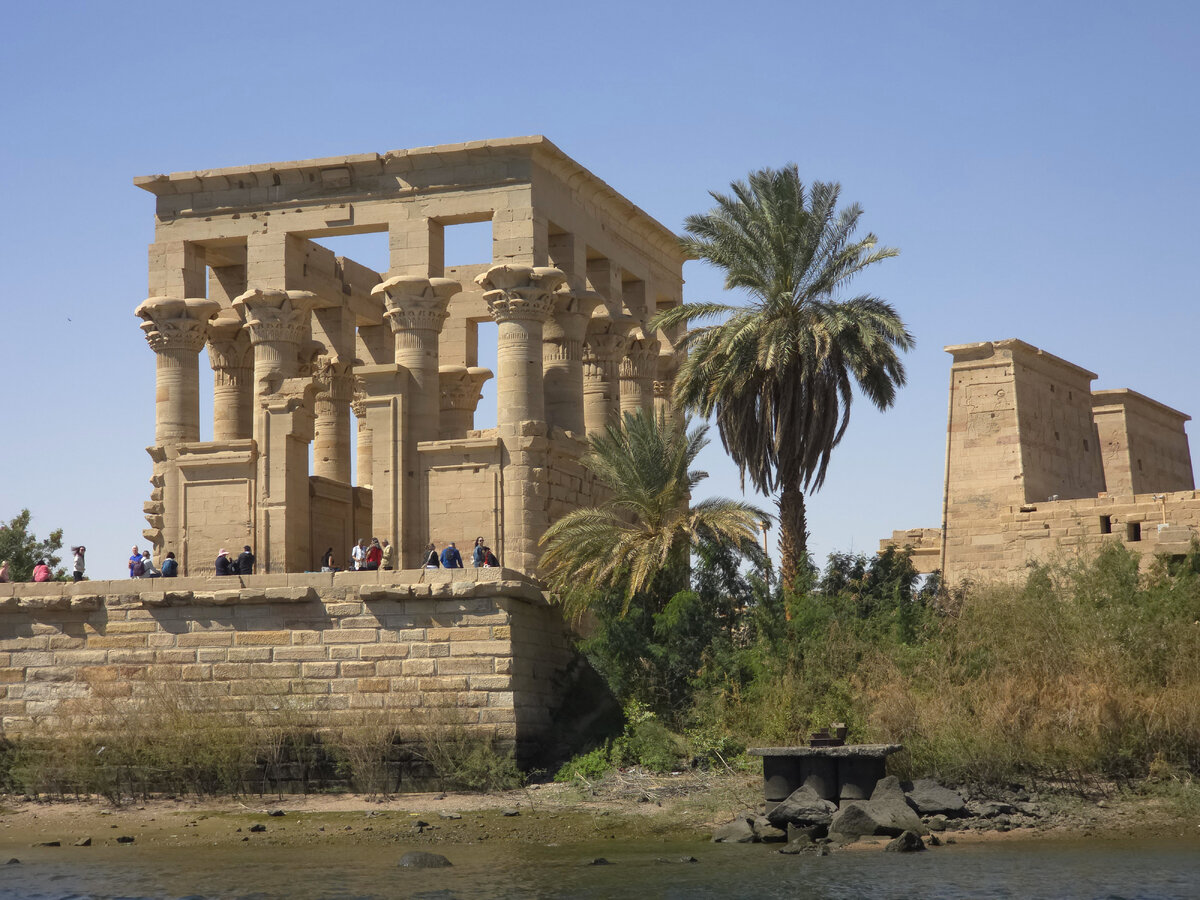
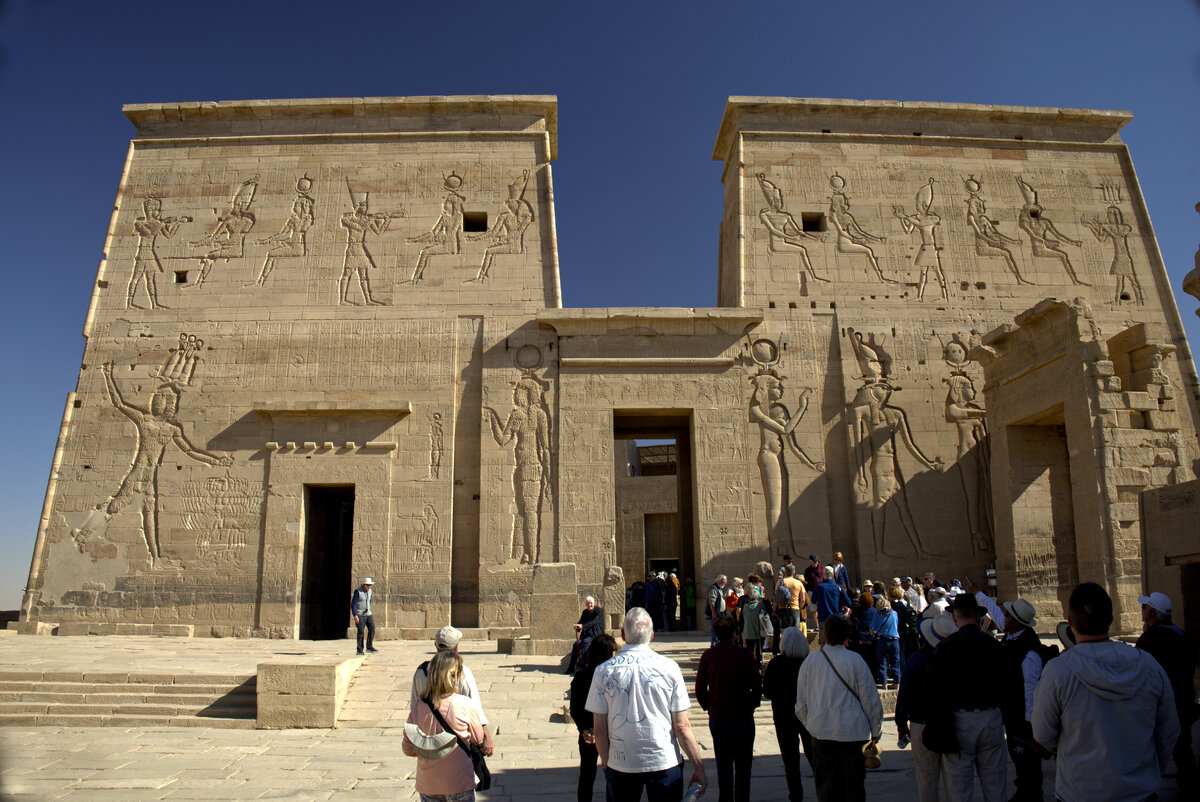
# 3 The main entrance
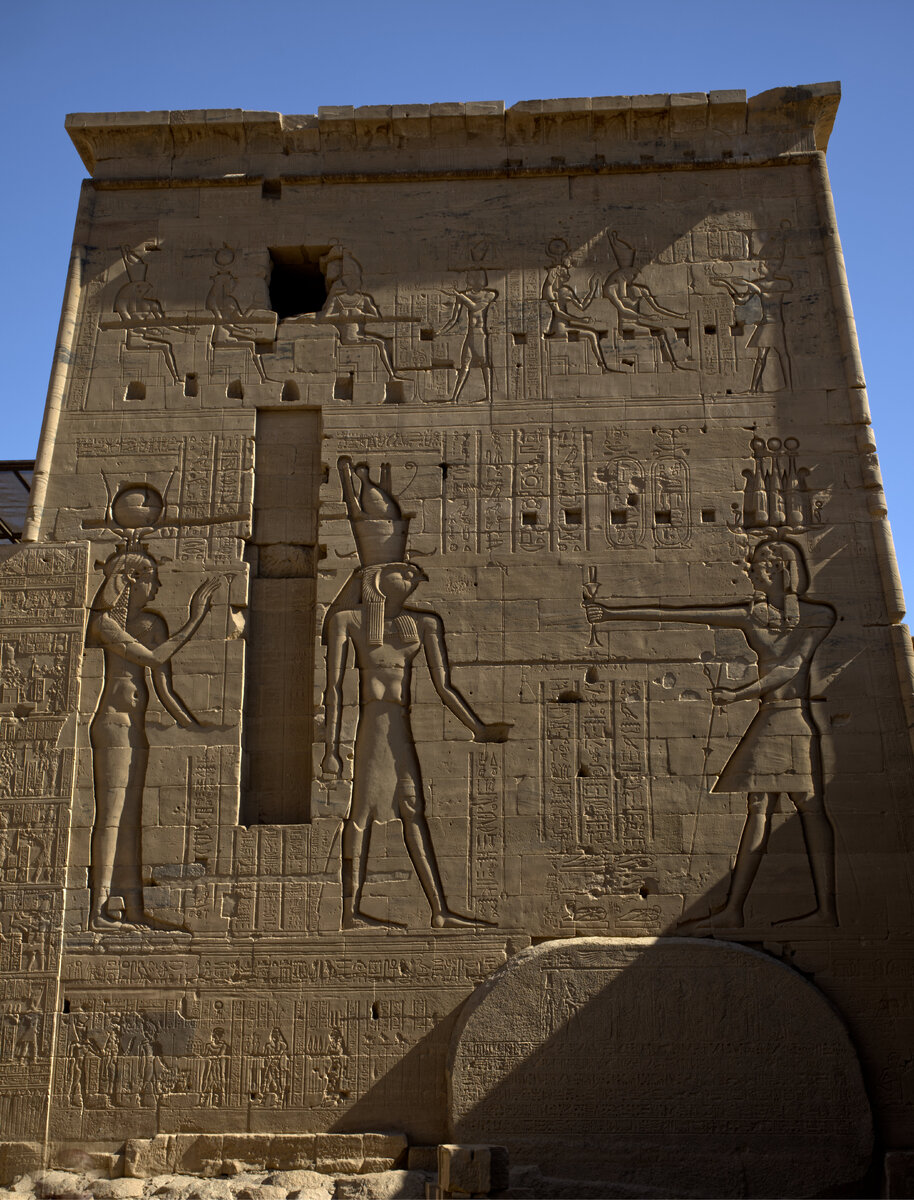
# 4
Look at the fellow on the left. If in doubt, offer a glass of wine. or at least thats how I interpreted it
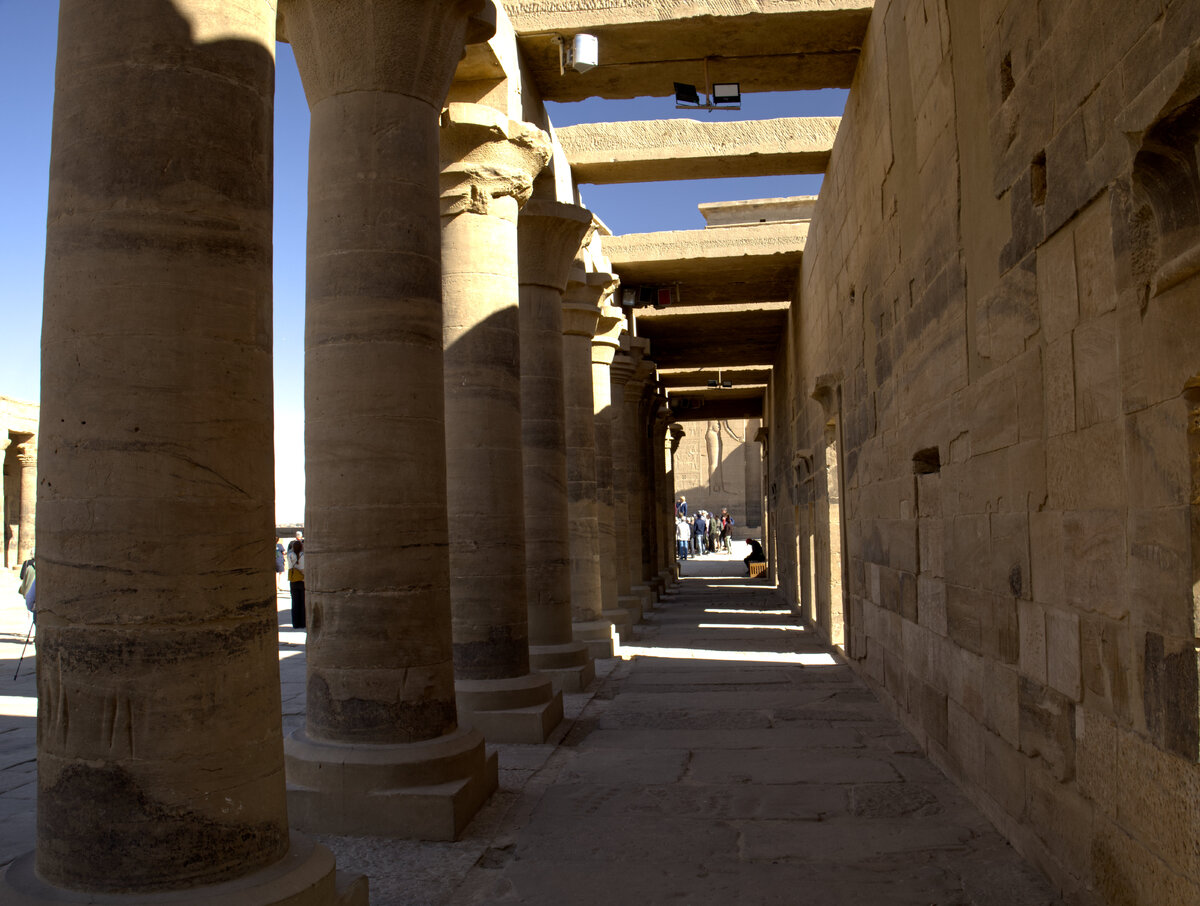
# 5
Trying to use the "Leading Lines" in this photo, the only problem is it didn't take the viewer to anything much insteresting but did show off the massive columns
Note again in the lower left column, the vertical gouges of visitors long ago.
# 6 Same columns From a different angle
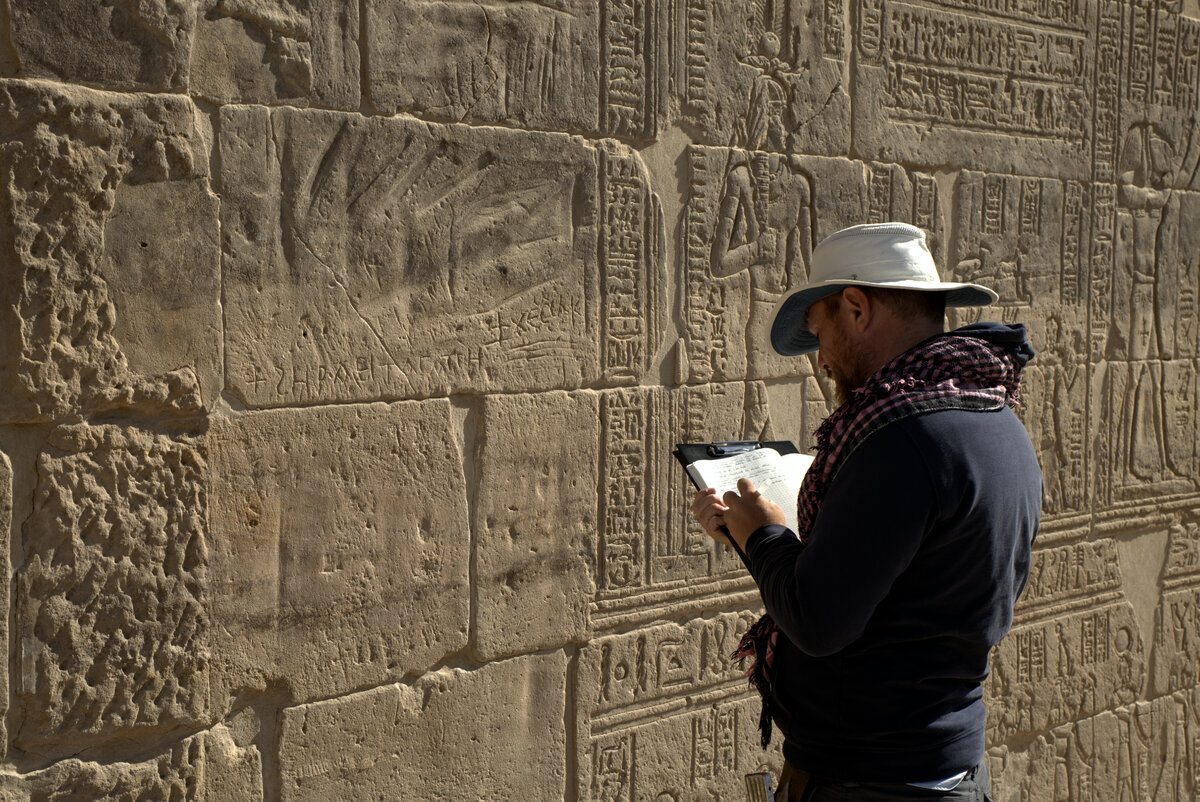
# 7. We ran across several archeologists doing there thing. This could have been Alen several years ago
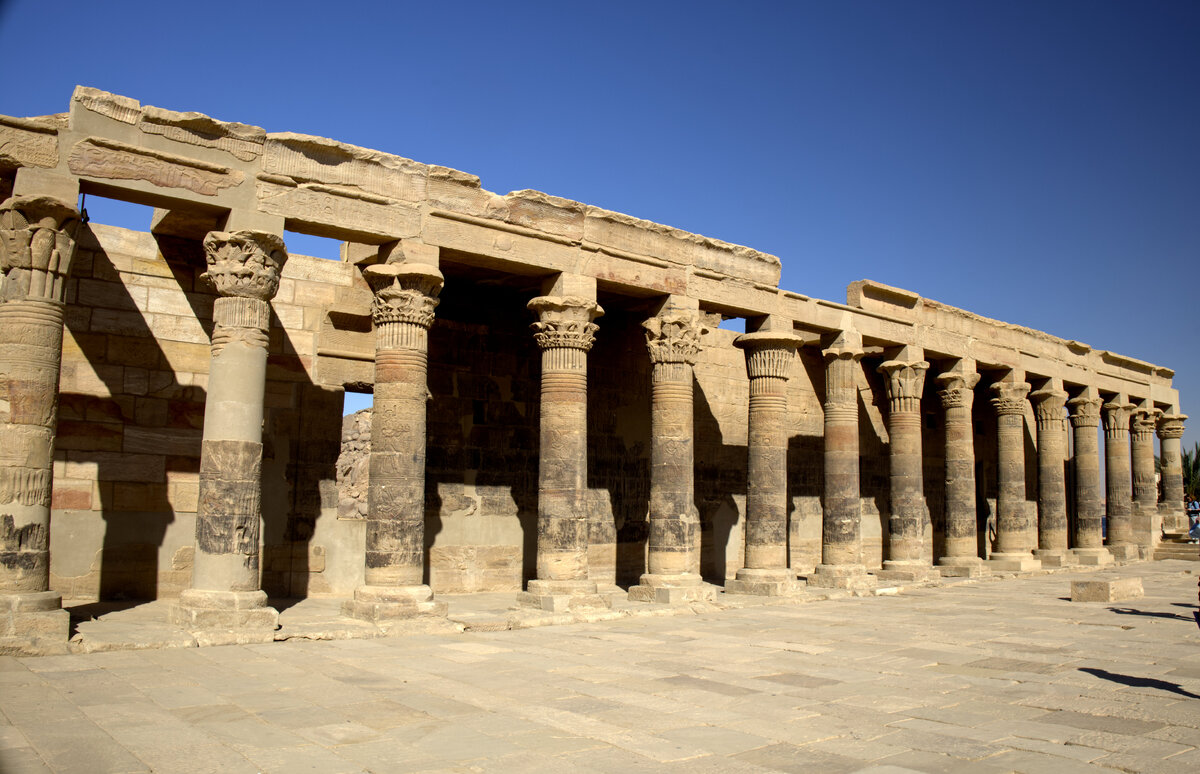
# 8. Another part of the complex near the lake
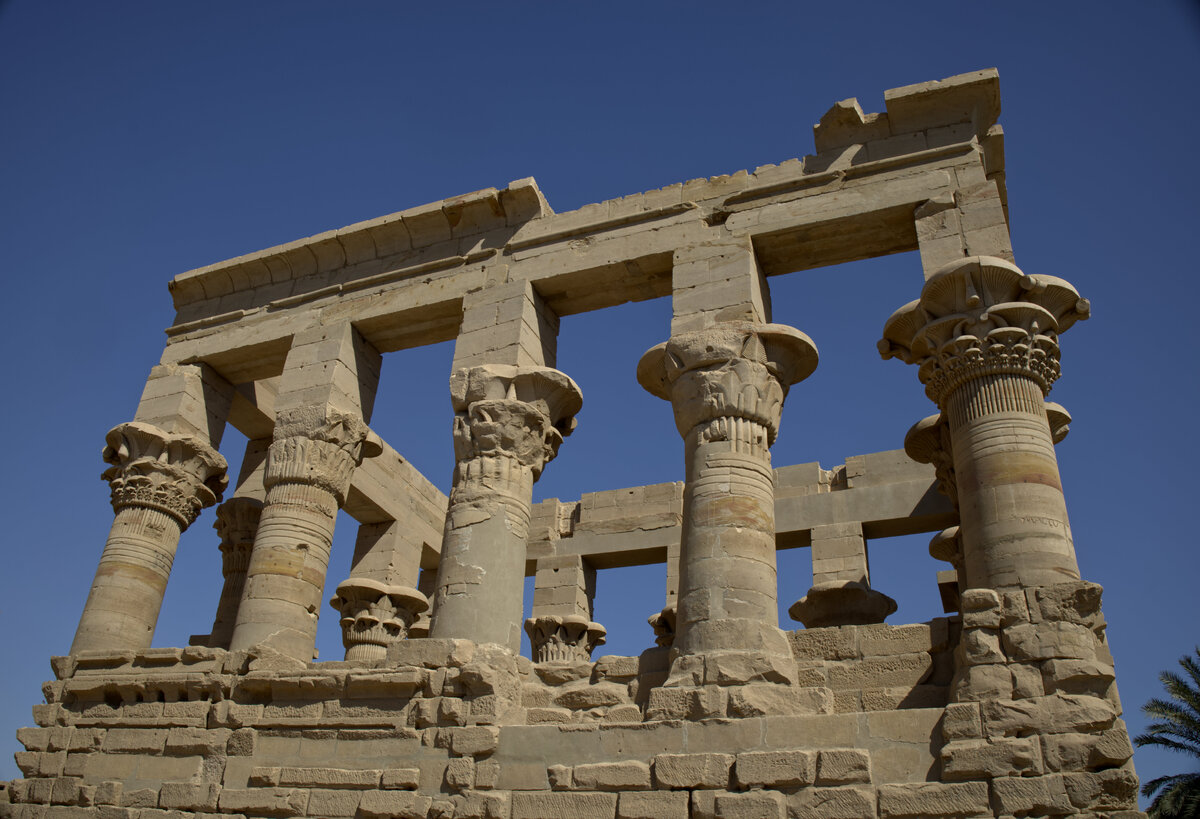
# 9 last one!
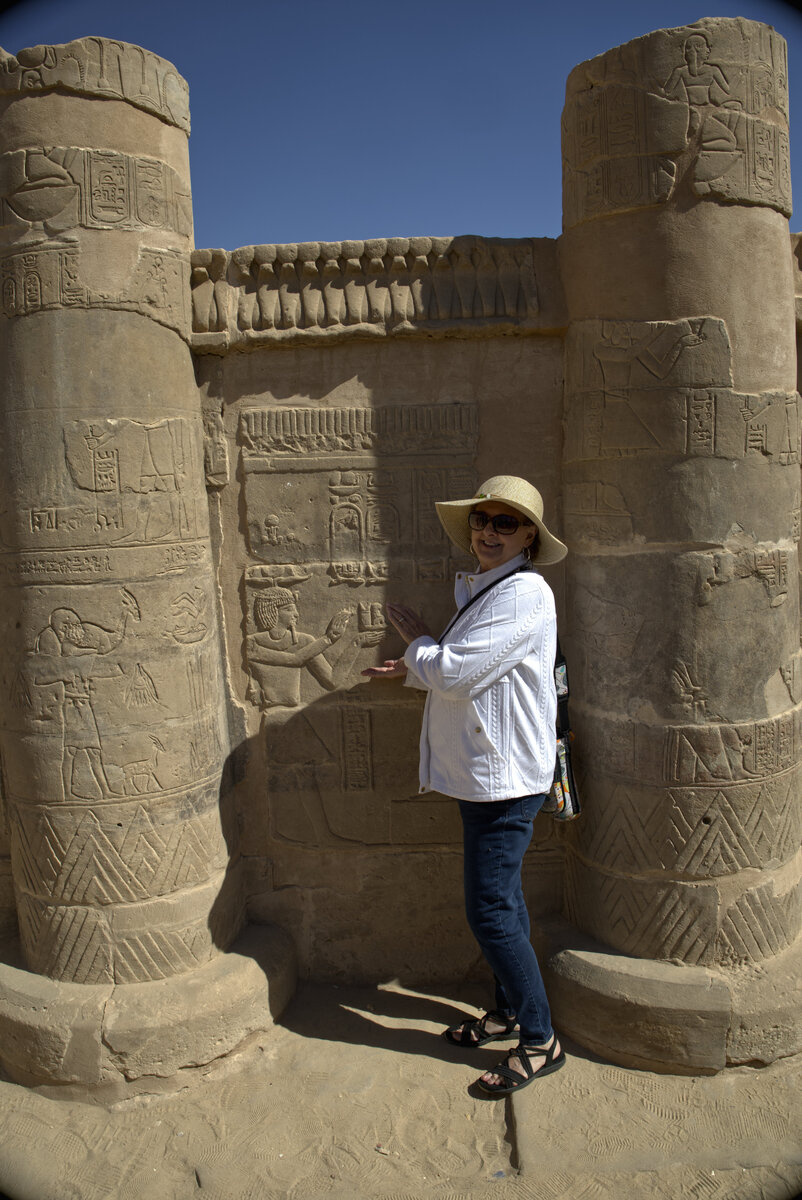
My wife doing her own little offering. I just notices the courners needed to be fixed on this image.
All these tombs and temples are remarkable considering how old they are and what tools they had to work with, but what makes Philae Temple genuinely remarkable is the whole site was relocated, lock-stock-and barrel because of the construction of a dam on the Nile River. Notes about that event is covered below:
Between 1972 and 1980, UNESCO and the Egyptian government moved the Philae Temple by dismantling its 40,000+ stone blocks (weighing roughly 20,000 tons) and reassembling them on higher ground. The temple was moved to save it from permanent submersion caused by the Aswan High Dam, with blocks meticulously numbered and moved to Agilkia Island.
Key Aspects of the Relocation:
- The Dam System: To access the temple, engineers built a temporary cofferdam around the island and pumped out the water, creating a dry, sunken site.
- Dismantling: The structure was dismantled piece-by-piece, with each block labeled for reconstruction.
- Relocation & Reassembly: The blocks were transported to nearby Agilkia Island, which was specially prepared to match the topography of the original site.
- Environmental Cleanup: Prior to the move, the structures were cleared of silt and deposits left behind by fluctuating water levels from the older 1902 dam.
Key Details and Highlights
- Main Structure: The Temple of Isis is the largest, featuring immense pylons decorated with scenes of Ptolemy XII smiting enemies.
- Other Structures: Includes the Kiosk of Trajan, the Temple of Hathor, and the Birth House (mammisi) of Horus
- Significance: It was a key center of the Isis cult, considered a burial place of Osiris.
- History: Served as a stronghold of ancient Egyptian religion until its conversion to a church in the 6th century.
- Last Inscription: The final hieroglyphic inscription was carved here in 394 AD.
- The island is only accessible by boat (motorboat or traditional felucca).
# 1
So this site is accessable only by boat and as you can see, as we waited to board our boat it was quite a show to see how organized these boat captains were to pickup there prospective guests. This went on for a good 15 mins
I could not decied to put this here or in the "Just for Fun" blog but I decided to put it here
# 2
Part of the Temple complex as we approched by boat
# 3 The main entrance
# 4
Look at the fellow on the left. If in doubt, offer a glass of wine. or at least thats how I interpreted it
# 5
Trying to use the "Leading Lines" in this photo, the only problem is it didn't take the viewer to anything much insteresting but did show off the massive columns
Note again in the lower left column, the vertical gouges of visitors long ago.
# 6 Same columns From a different angle
# 7. We ran across several archeologists doing there thing. This could have been Alen several years ago
# 8. Another part of the complex near the lake
# 9 last one!
My wife doing her own little offering. I just notices the courners needed to be fixed on this image.

