
Comet Hunter
Supporting Member
Taken with my cell phone, no editing
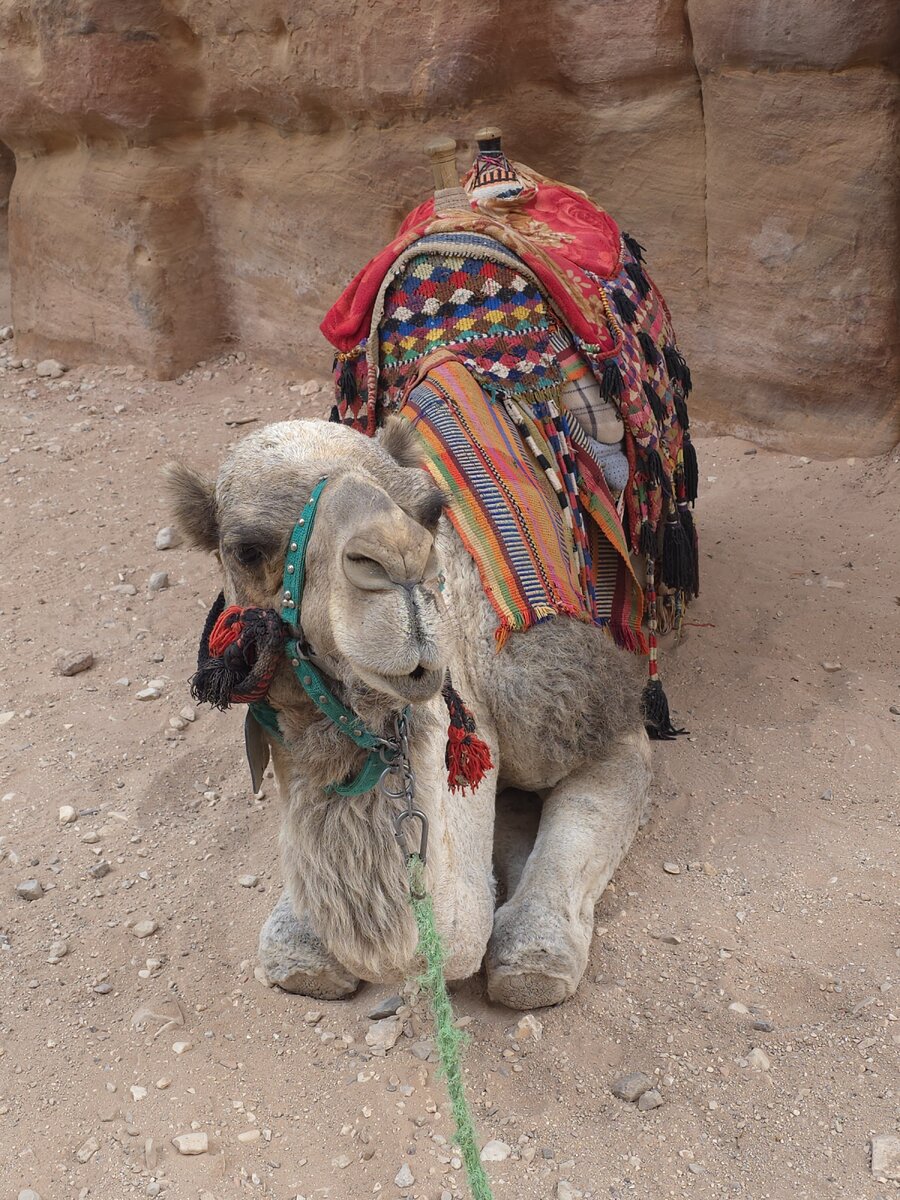
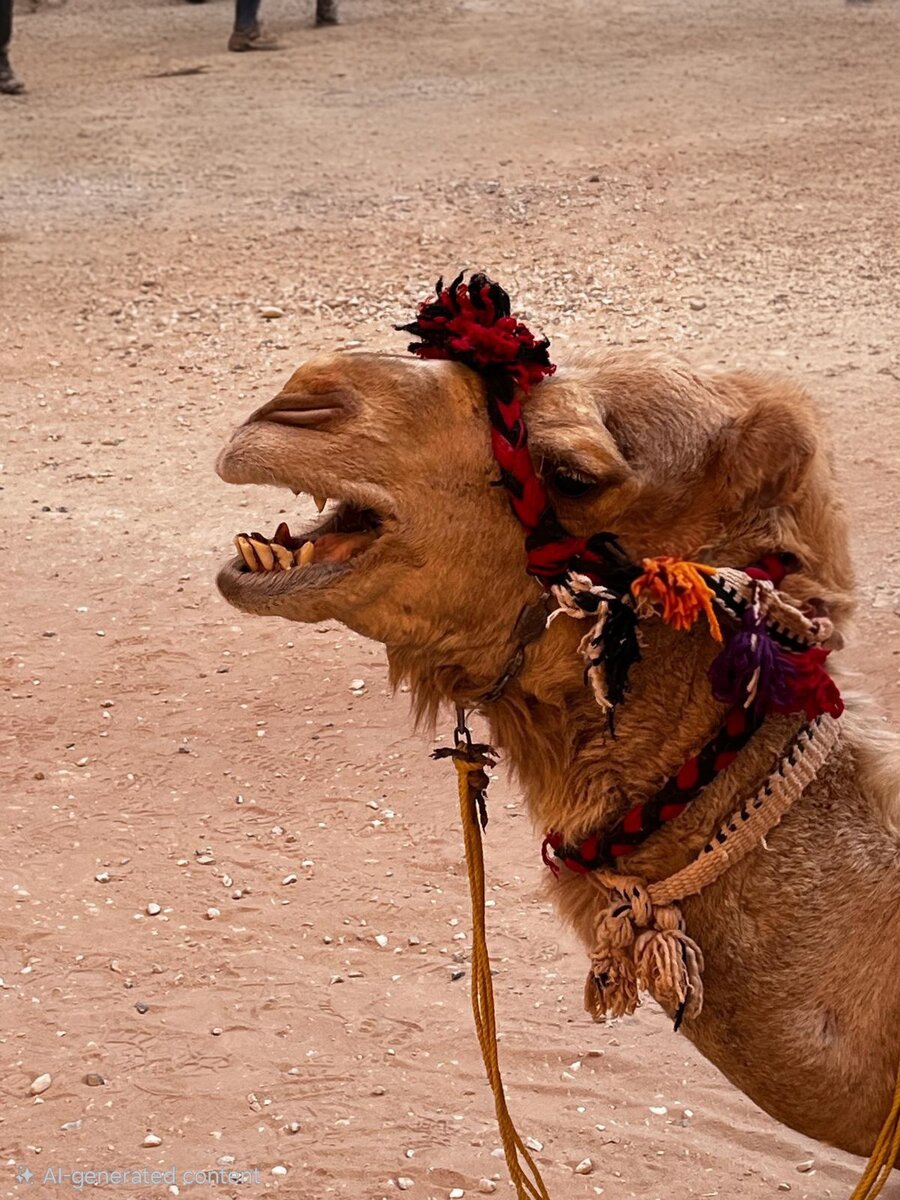
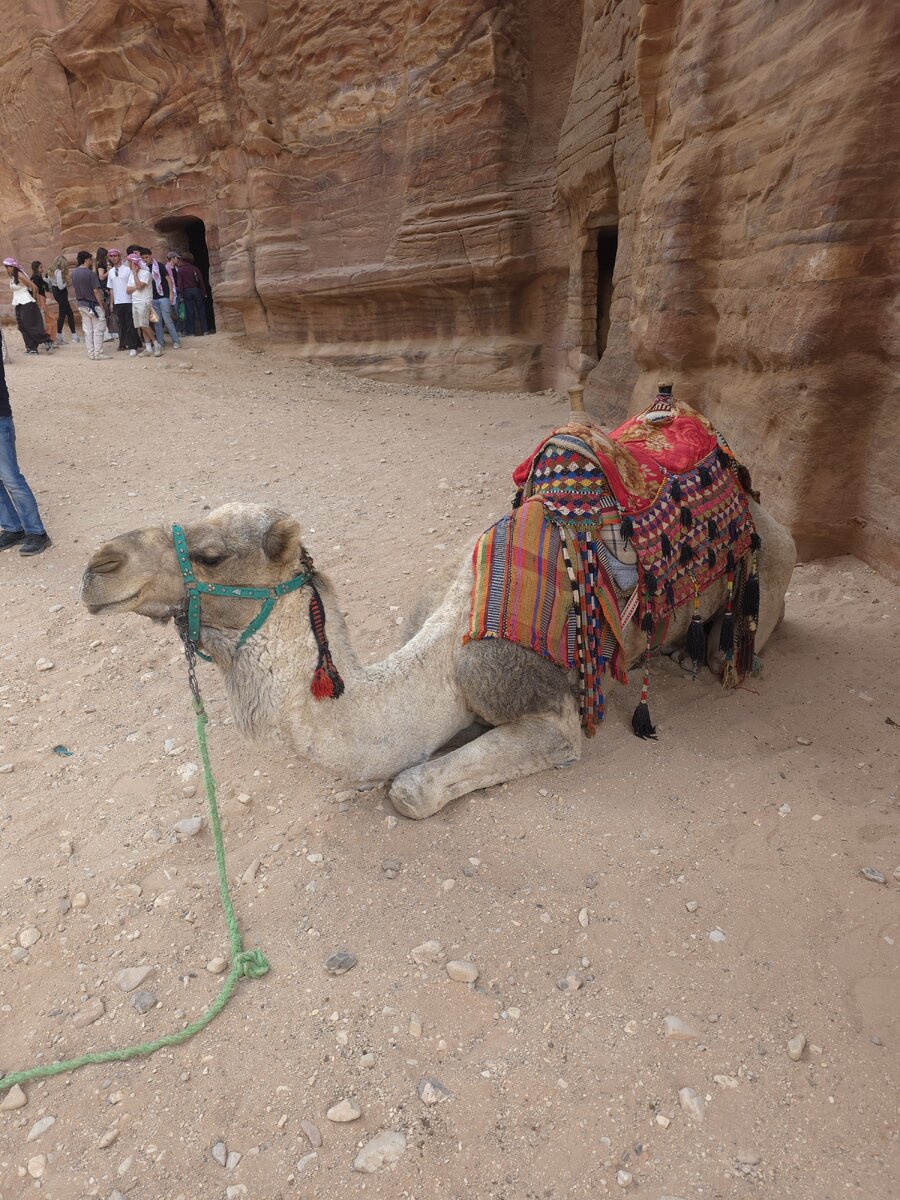
A day in the life of a camel in Petra
A day in the life of a camel in Petra


I still have Petra dust on my bootsNice shots - amazing how many layers of blankets are on the saddles.
They were used in the caravan trade when Petra was a trading center but they aren't part of the natural environment there at all. There were only one or two in Petra 50 years ago and they were owned by one of the bedouin who would bring them out for tourists. There are probably more there now than there has been for around 1500 years
Seeing the closeup of the Petra's dirt brings back a flood of memories - I spent a lot of time working in that dirt.
At the end of each excavation day I had Petra dirt in/on just about every part of my my clothes and bodyI still have Petra dust on my boots
Find anything really cool?At the end of each excavation day I had Petra dirt in/on just about every part of my my clothes and body
A big building that got whacked by an earthquake in 106 ADFind anything really cool?
From my perspective the best find was a room off to the side of the main building that was a workshop for painters working on frescos inside of the temple when the earthquake hit. All of the ceramic bowls with their paint contents inside were stacked up near one of the walls when the earthquake cut off access to the room while sand slowly filled the room to bury them. I took samples of the paints and ran them through an X-Ray diffraction lab back at the University of Utah. The blue "paint" was an artificial compound known as Egyptian Blue since natural azurite was a rare compound and was the only natural source of blue pigment 2000 years ago. I wrote all that up for my Master's Thesis.
How interesting, and very cool thank you for sharing, are you still in that line of work?A big building that got whacked by an earthquake in 106 AD
Edit: Let me fill in a few blanks here - Petra sits on the eastern edge of the Rift Valley as the plate boundaries extend north out of Africa and is highly prone to very serious earthquakes. The one in 106AD was a pretty nasty shake that leveled a lot of stone buildings all up and down the mountains on the eastern side of the Jordan River Valley. Petra itself was rebuilt a couple of times from major quakes although the building I was working on never did get a rebuild. What I found while I was supervising excavations there was that the Temple of the Winged Lions was being scavenged for building materials beginning not long after it was destroyed in the 106 quake. Anything that could be salvaged or repurposed was removed in antiquity and not left behind for us to find.
Nope - long story but I had a part time job on the University of Utah campus working with a research mainframe computer during the school year while I was working summers in Petra. That was a time when people who knew how to make computers work were in high demand and funding for more field seasons in Petra dried up for several years starting in 1979. As it turned out understanding how computers work was far more lucrative than playing in the dirt. I do still follow archaeology, history, and geology as a hobby in retirement.How interesting, and very cool thank you for sharing, are you still in that line of work?
