

Comet Hunter
Supporting Member
So one of my highlights of my trip was visiting the city of Petra Jordan. Our friend Allen worked at this site in the 70's so he can add to the history I have listed here or correct anything I may have misquoted.
Unlike the construction of most cities and temples the Romens, Greeks, and Egyptians built, the Nabateans cut the stones various sizes then assembled them like Lego's. Petra was carved out of solid rock in the side of these mountains by the Nabateans who were master carvers.
The incredible ancient structures coupled with many biblical references in the historic city of Petra make it one of Jordan's most spectacular destinations.
Carved into beautiful rose red-colored rock with exquisite artistic details and surrounded by large, vibrant mountains and canyons, Petra was once an immensely important trading center and the capital of the Nabataean empire beginning in the 4th century B.C. The city is filled with immensely significant historic and architectural evidence that provides a glimpse into the lives, stories, and people of past civilizations. The impressive structures and water management system that were built in the city reveals the achievements of the Nabateans.
In 1985, the Jordanian city was announced a UNESCO World Heritage site, and in 2007 it was named one of the seven wonders of the world. “It is one of the world's richest and largest archaeological sites set in a dominating red sandstone landscape.
Additionally, Petra is a biblically significant place as it was part of the route that Moses took on his Exodus journey. It also consists of ancient references to Moses’ brother, Aaron. Specifically, Wadi Musa, which is referred to as ‘Moses Valley’ is the administrative center of the Petra Department and it is commonly believed to be the burial place of Aaron.
The Nabatean city is identified in biblical text by its Hebrew name, “Sela,” which means rock. In the Bible verse Isaiah 16:1, it states: “Send lambs as tribute to the ruler of the land, from Sela, across the desert, to the mount of the Daughter of Zion.”
All these images were taken with my Canon R8, and ether the Laowa 15mm f/2 or the Canon 28x70 STM zoom lenses.
All comments welcome
So we began our teck which started on a gravel road right behind our hotel. The path was about a mile or so long. Most of the day we had pretty blue skies, and the weather was in the mid 70's
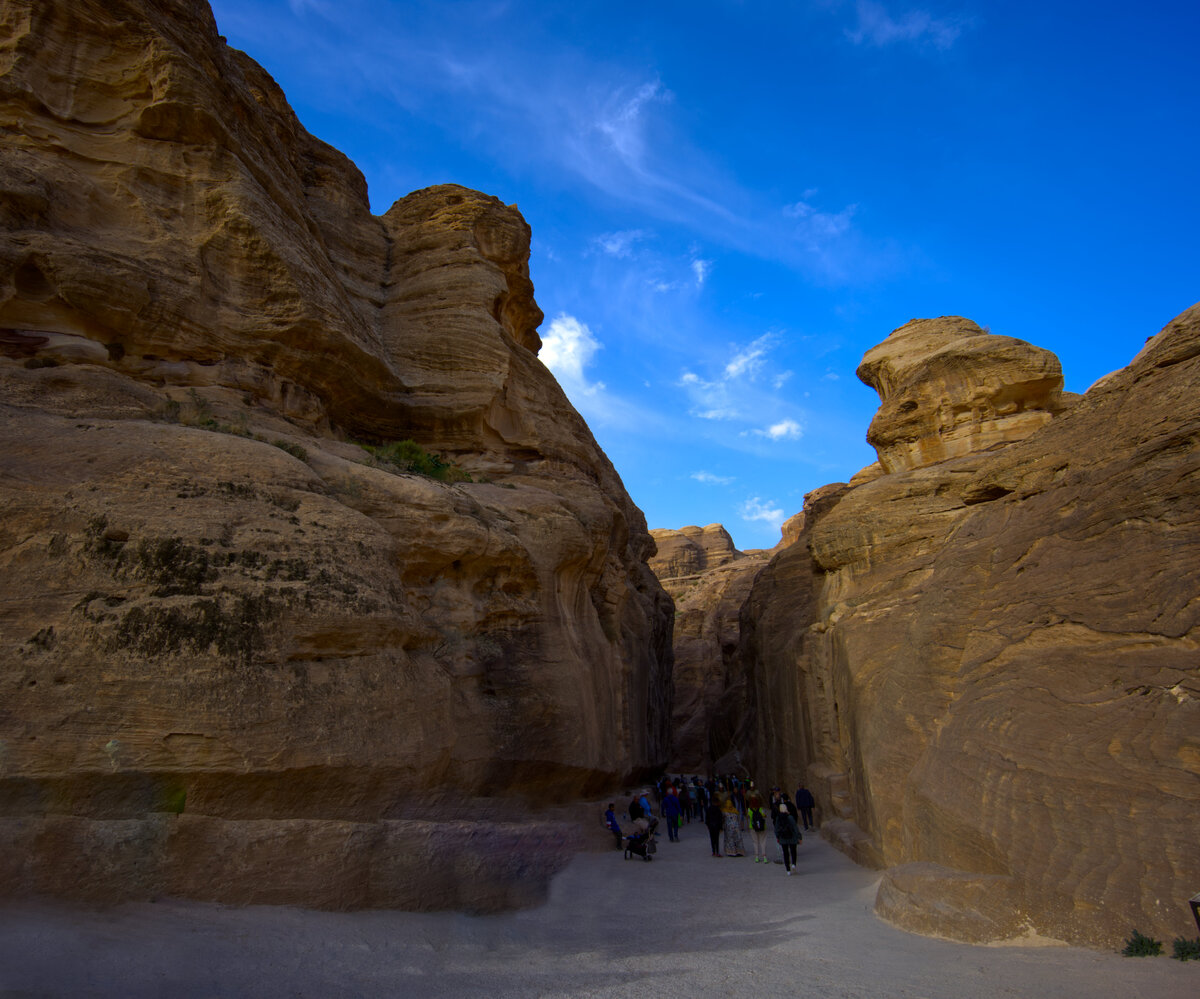
Wonderous colors of store nature carved through this narrow path

The farther we walked, we began to see signs and carvings of the Nabatean people
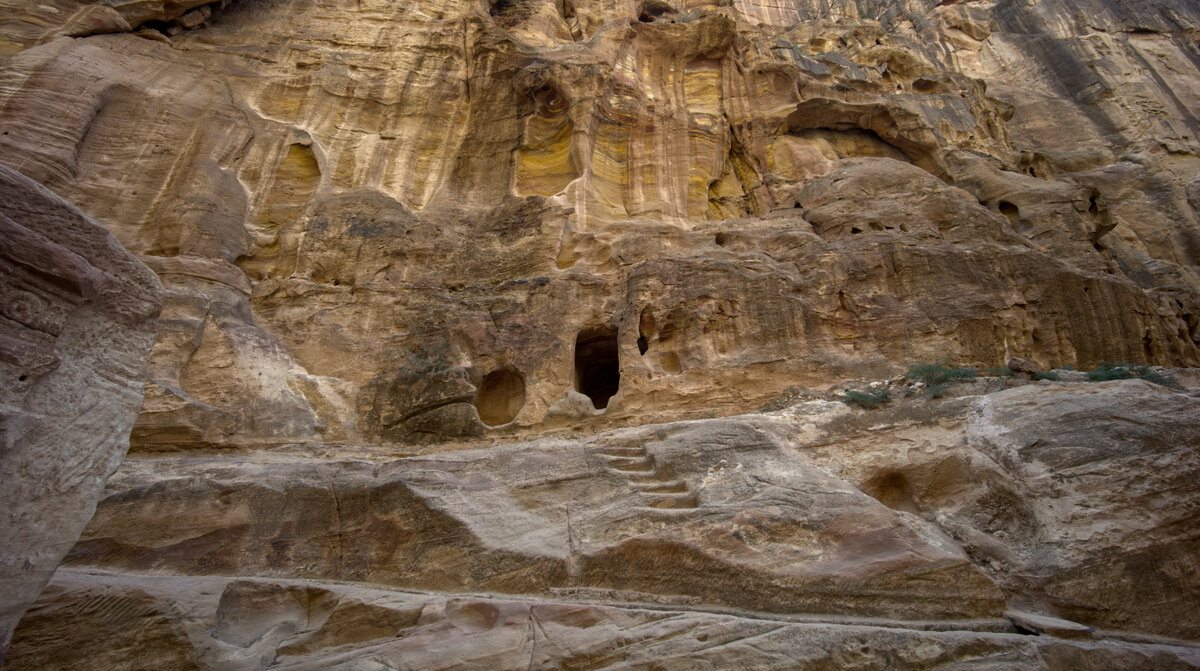
Memories abound here
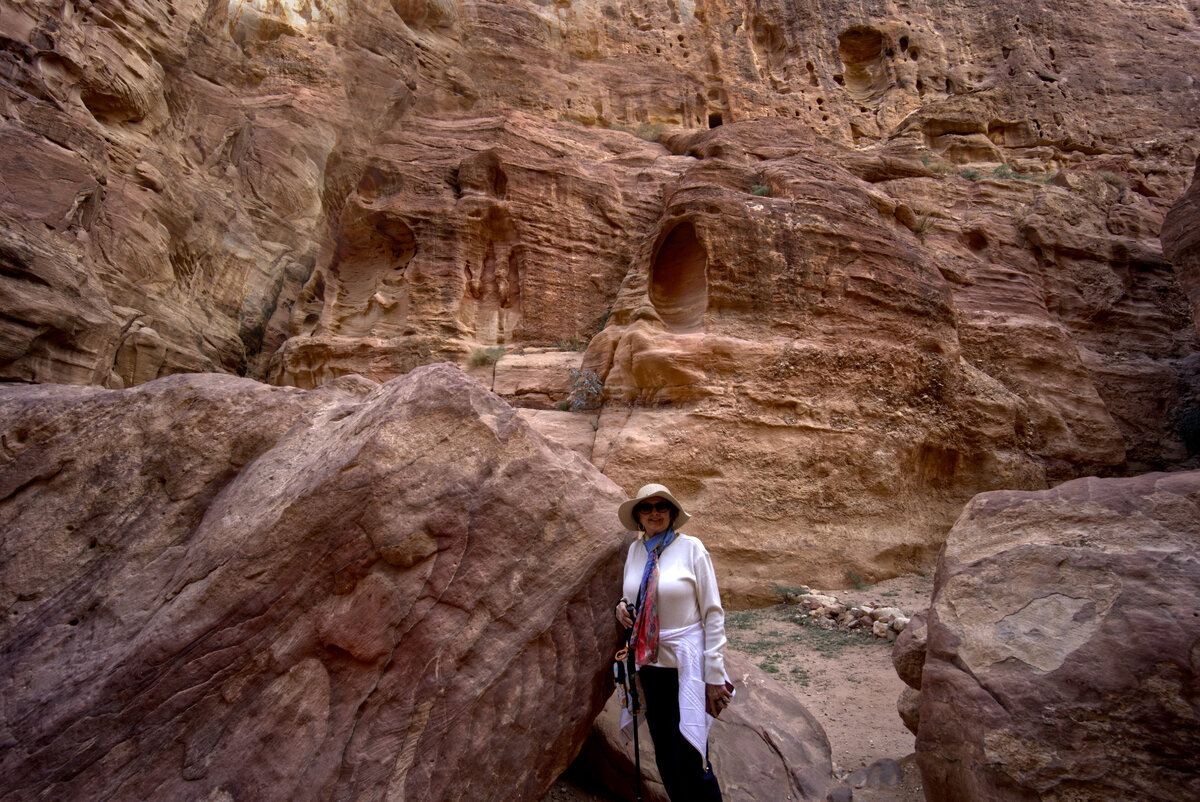
Some of these carvings are 7000 years old.
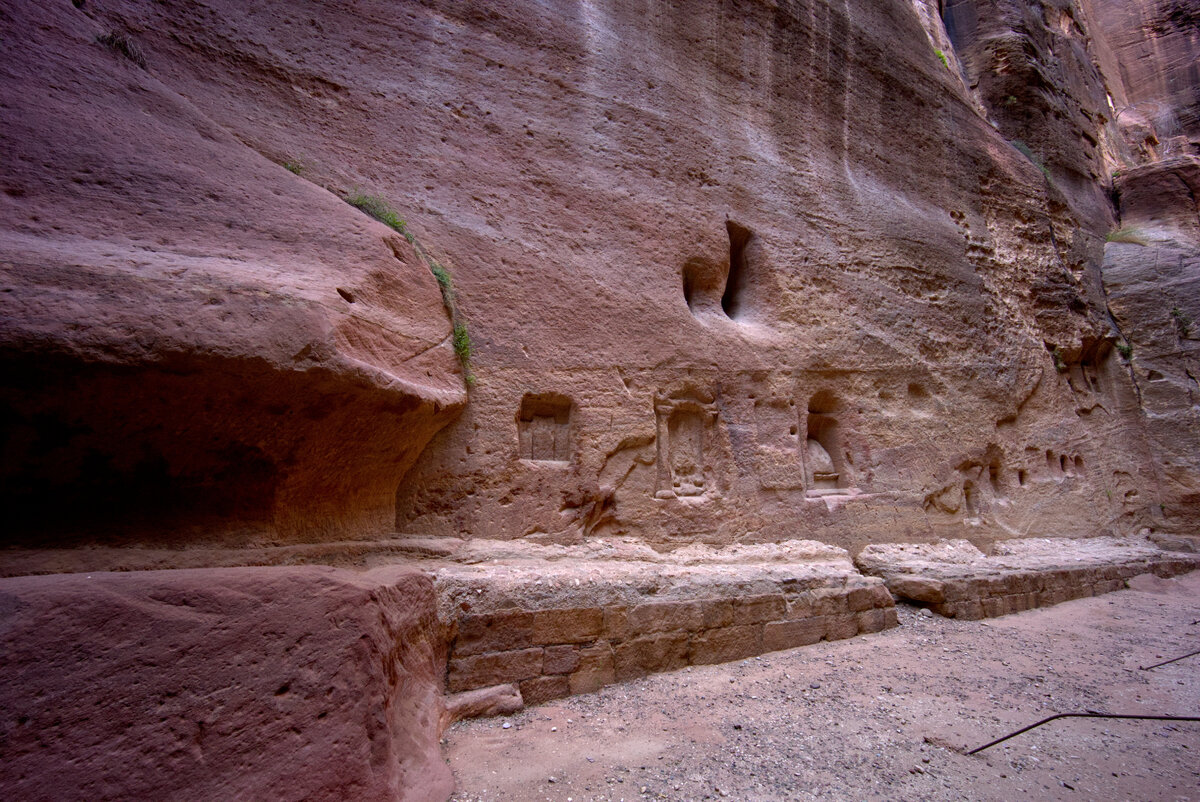
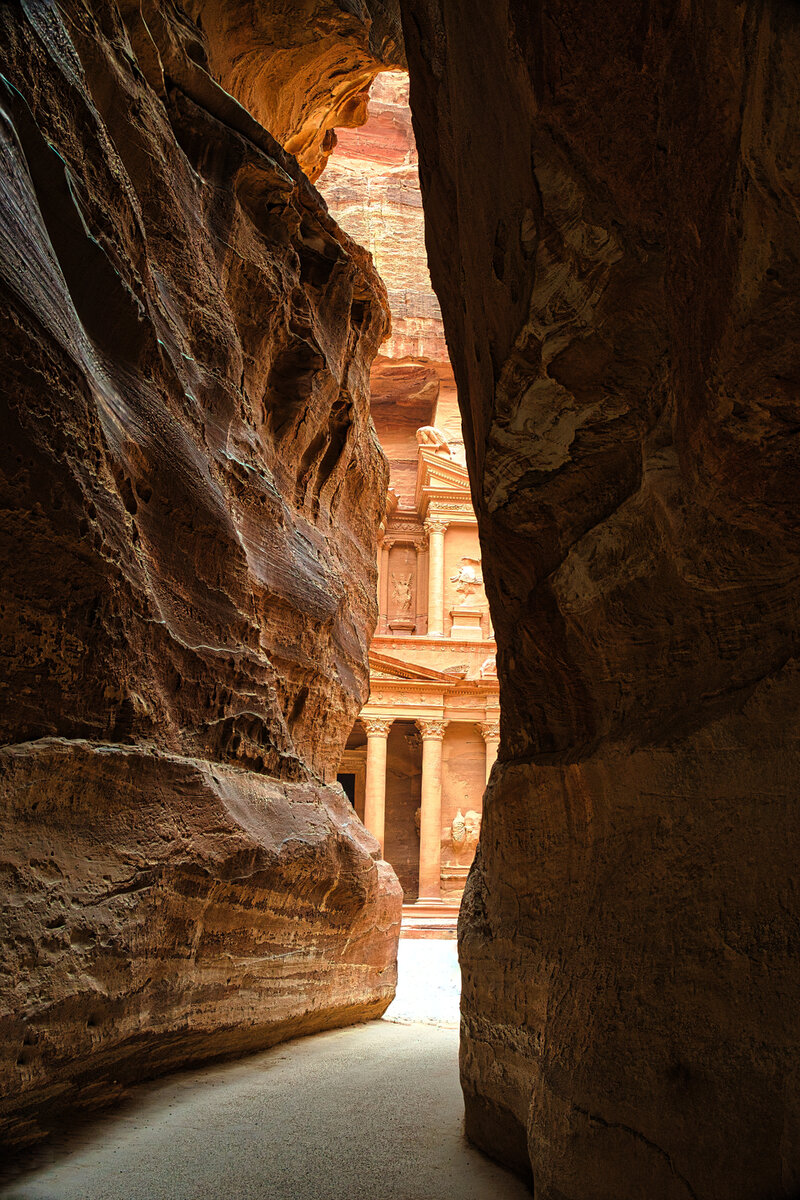
And round one corner and something begins to peek out
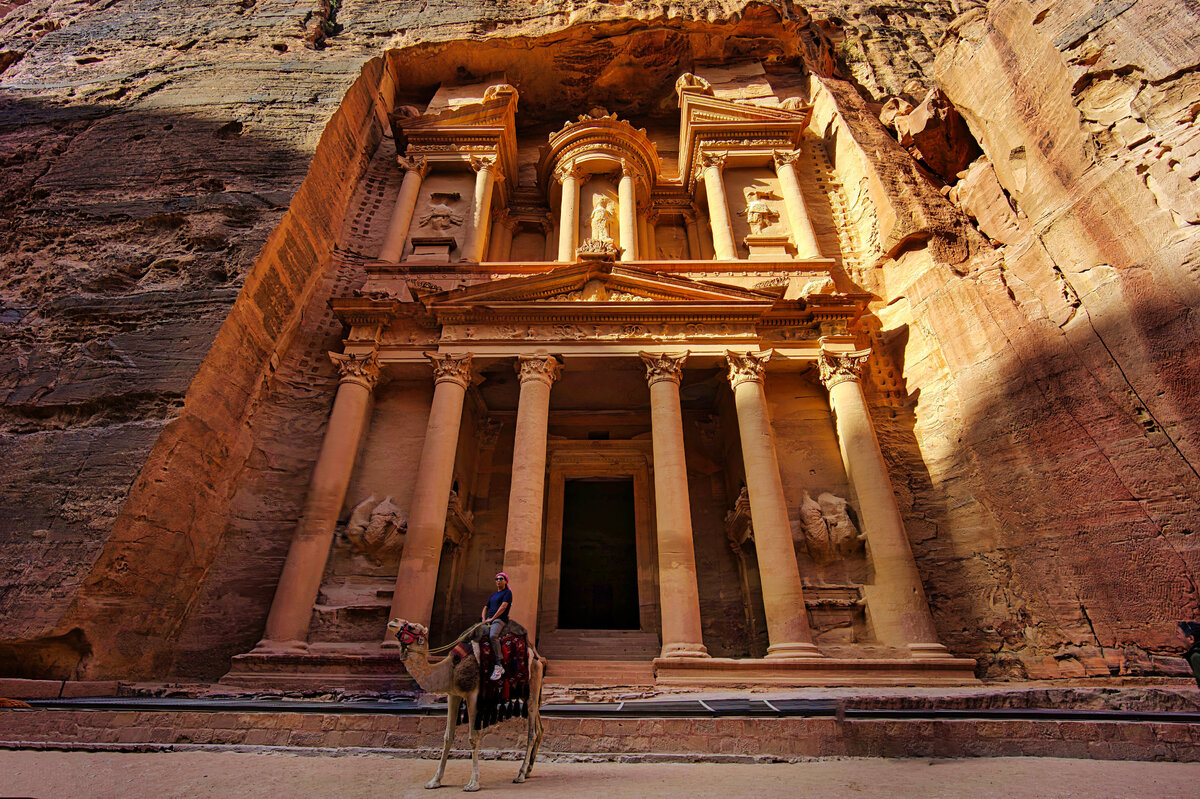
Quite magical. I cut out quite a few people but left the camel jockey for reference. Im glad I had a 15 mm lens. This image is my favorite
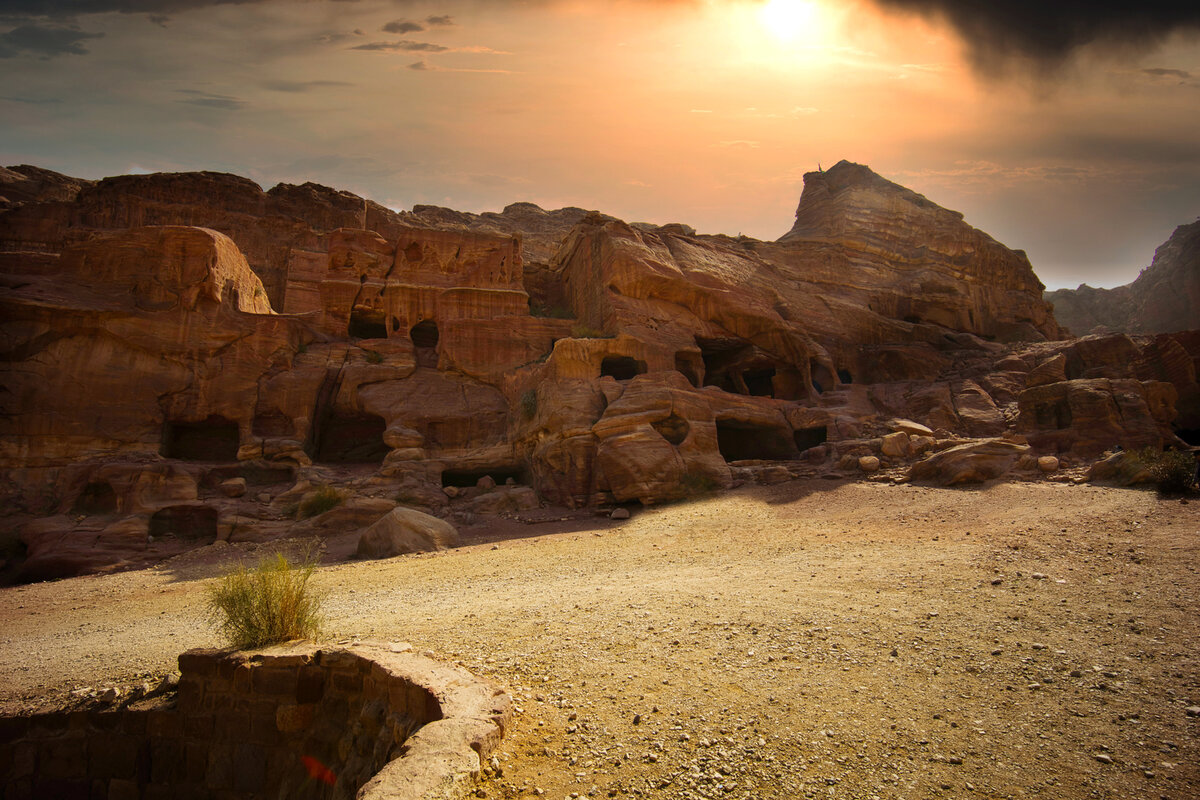
This arena was all carved out of solid rock, combined with the condo's in the background

More condo's of the locals
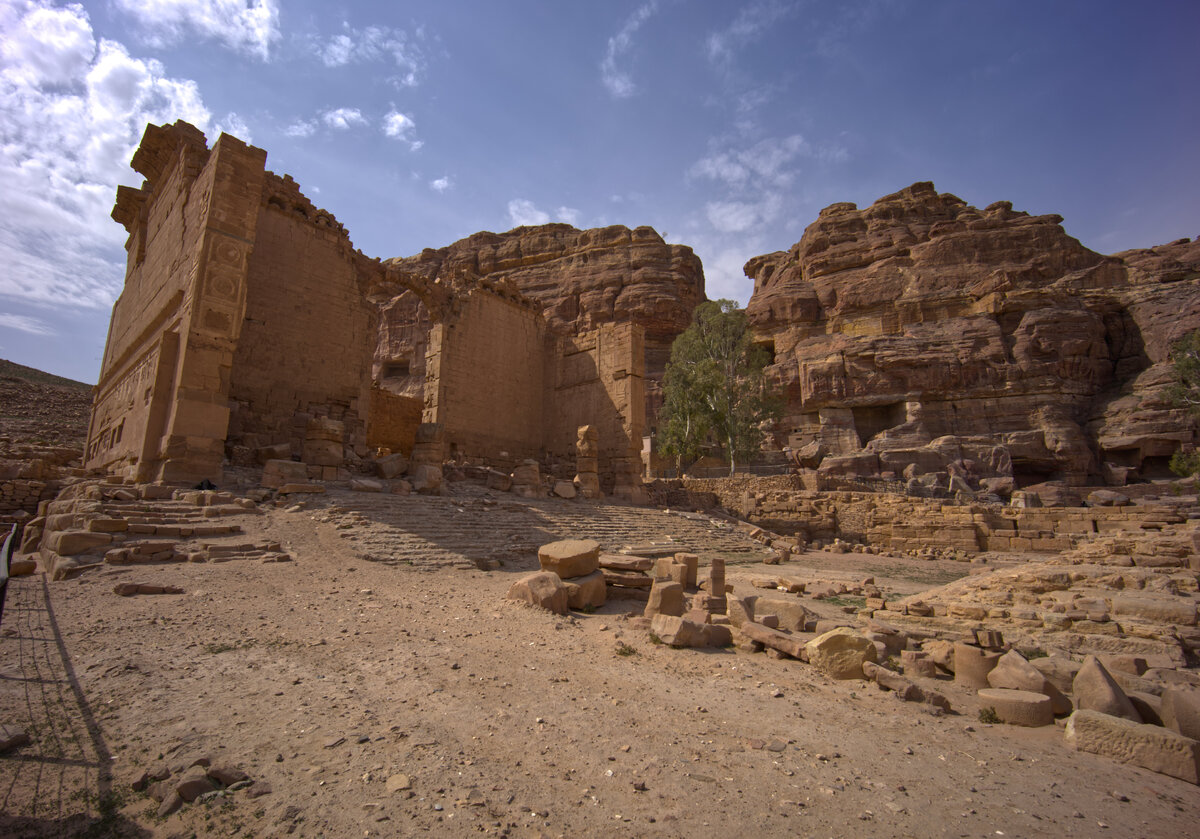
This temple was made of stacked stone, I don't recall who build it?
Unlike the construction of most cities and temples the Romens, Greeks, and Egyptians built, the Nabateans cut the stones various sizes then assembled them like Lego's. Petra was carved out of solid rock in the side of these mountains by the Nabateans who were master carvers.
The incredible ancient structures coupled with many biblical references in the historic city of Petra make it one of Jordan's most spectacular destinations.
Carved into beautiful rose red-colored rock with exquisite artistic details and surrounded by large, vibrant mountains and canyons, Petra was once an immensely important trading center and the capital of the Nabataean empire beginning in the 4th century B.C. The city is filled with immensely significant historic and architectural evidence that provides a glimpse into the lives, stories, and people of past civilizations. The impressive structures and water management system that were built in the city reveals the achievements of the Nabateans.
In 1985, the Jordanian city was announced a UNESCO World Heritage site, and in 2007 it was named one of the seven wonders of the world. “It is one of the world's richest and largest archaeological sites set in a dominating red sandstone landscape.
Additionally, Petra is a biblically significant place as it was part of the route that Moses took on his Exodus journey. It also consists of ancient references to Moses’ brother, Aaron. Specifically, Wadi Musa, which is referred to as ‘Moses Valley’ is the administrative center of the Petra Department and it is commonly believed to be the burial place of Aaron.
The Nabatean city is identified in biblical text by its Hebrew name, “Sela,” which means rock. In the Bible verse Isaiah 16:1, it states: “Send lambs as tribute to the ruler of the land, from Sela, across the desert, to the mount of the Daughter of Zion.”
All these images were taken with my Canon R8, and ether the Laowa 15mm f/2 or the Canon 28x70 STM zoom lenses.
All comments welcome
So we began our teck which started on a gravel road right behind our hotel. The path was about a mile or so long. Most of the day we had pretty blue skies, and the weather was in the mid 70's
Wonderous colors of store nature carved through this narrow path
The farther we walked, we began to see signs and carvings of the Nabatean people
Memories abound here
Some of these carvings are 7000 years old.
And round one corner and something begins to peek out
Quite magical. I cut out quite a few people but left the camel jockey for reference. Im glad I had a 15 mm lens. This image is my favorite
This arena was all carved out of solid rock, combined with the condo's in the background
More condo's of the locals
This temple was made of stacked stone, I don't recall who build it?

