

Ken Rennie
Well-Known Member
High key images have bright mid tones, most of the image is bright but full blacks can occur. It is not simply a case of increasing the exposure in lightroom that will probably just give you a washed out image. The easiest way to start eploring high key images is to get a curve and pull the middle up that will increase the mid tones while keeping the shadows black and hopefully not blowing out the highlights.
.

As you can see most of the image is bright but a full range of tones are present. This image was taken on a very gloomy overcast day in Northern Spain with a thick sea mist but dehaze cut through it nicely.
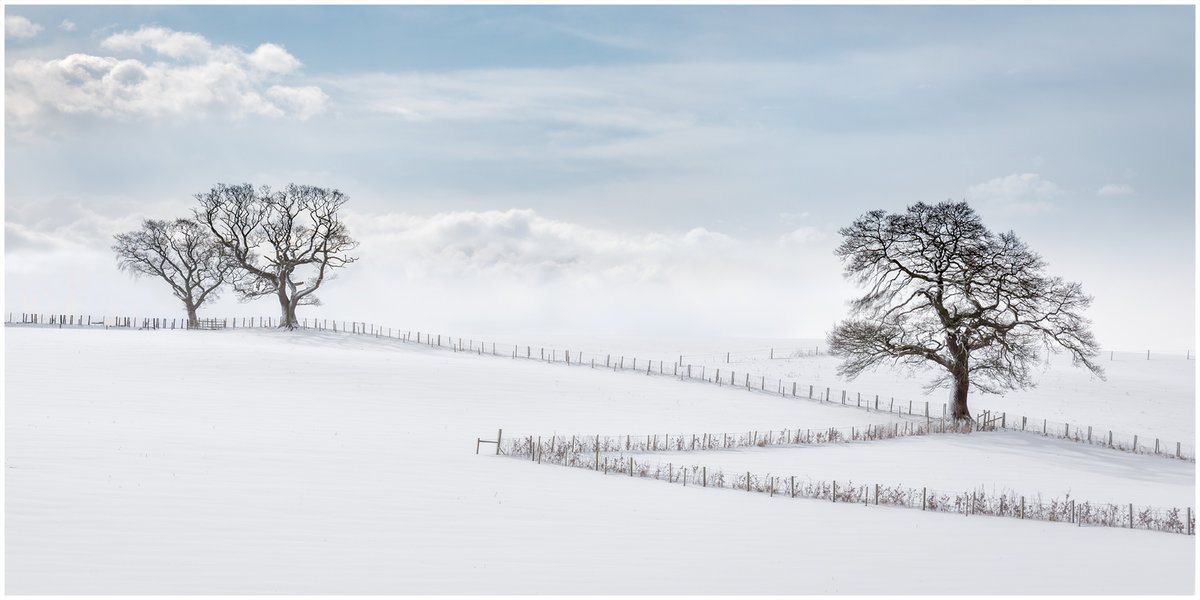
Some images are just naturally high key eg snow scenes but I have carefully brightened the clouds that were dark and forbidding and full of snow. Saturation can be tricky with high key scenes as you brighten things or reduce their contrast you will naturally lose saturation. In this case however I have increased saturation as this lovely powder blue sky was actually fairly flat and grey.
LOW KEY
Just the opposite of high key the mid tones are dark, pull the curve down at the middle.
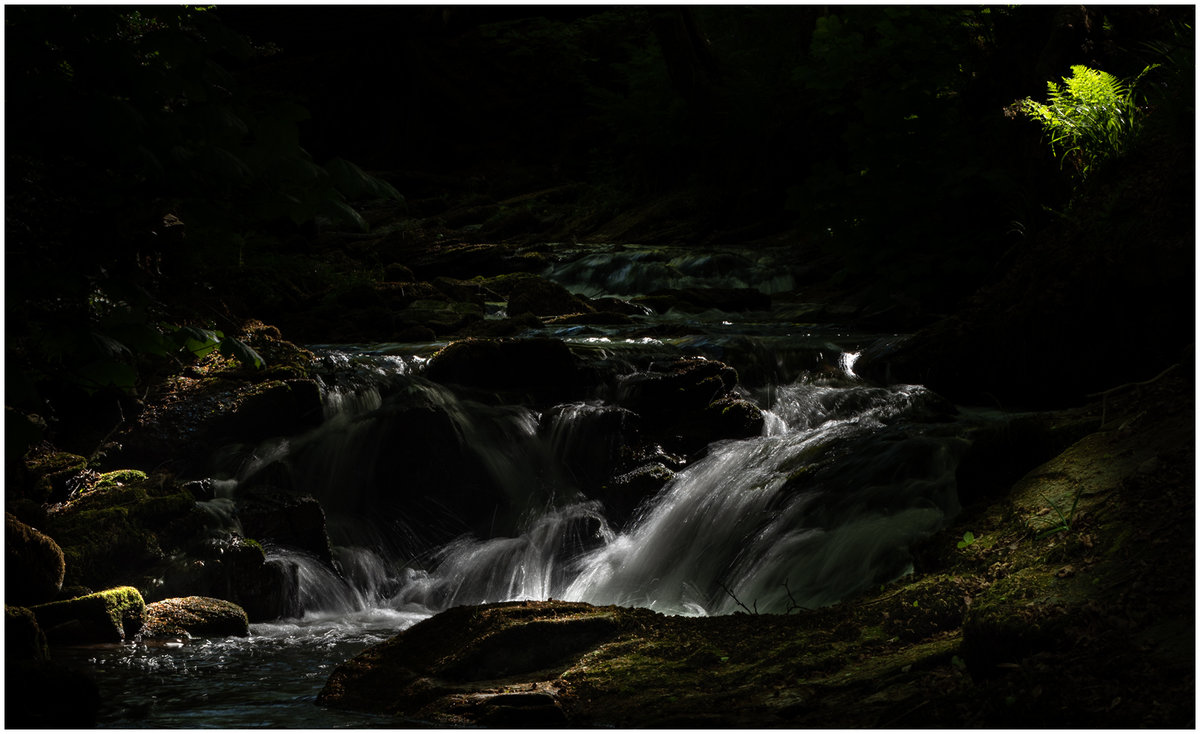
This image (taken on a lockdown walk on May 10th) is naturally low key as a shaft of sunlight shone through the trees an illuminated the fern and the little waterfall. Exposed to keep the highlights from burning out most of the image is very dark. I have brightened some the green mossy areas around the falls a little. The trend for universally lifting the shadows almost to the point of full sunshine destroys low key shots. In this instance I have brightened the whites to accentuate the contrast between light and shade.

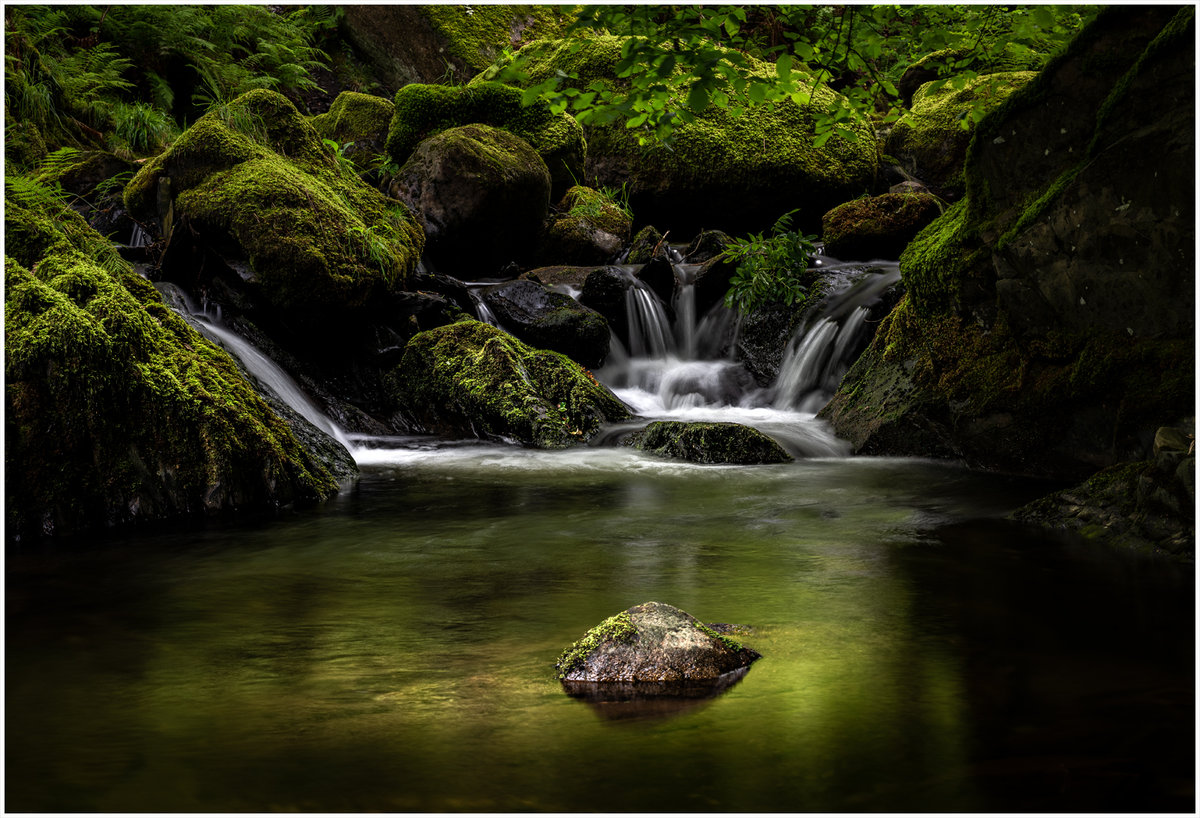
This image has been artificially made a little low key although all of the action is in the brighter parts.
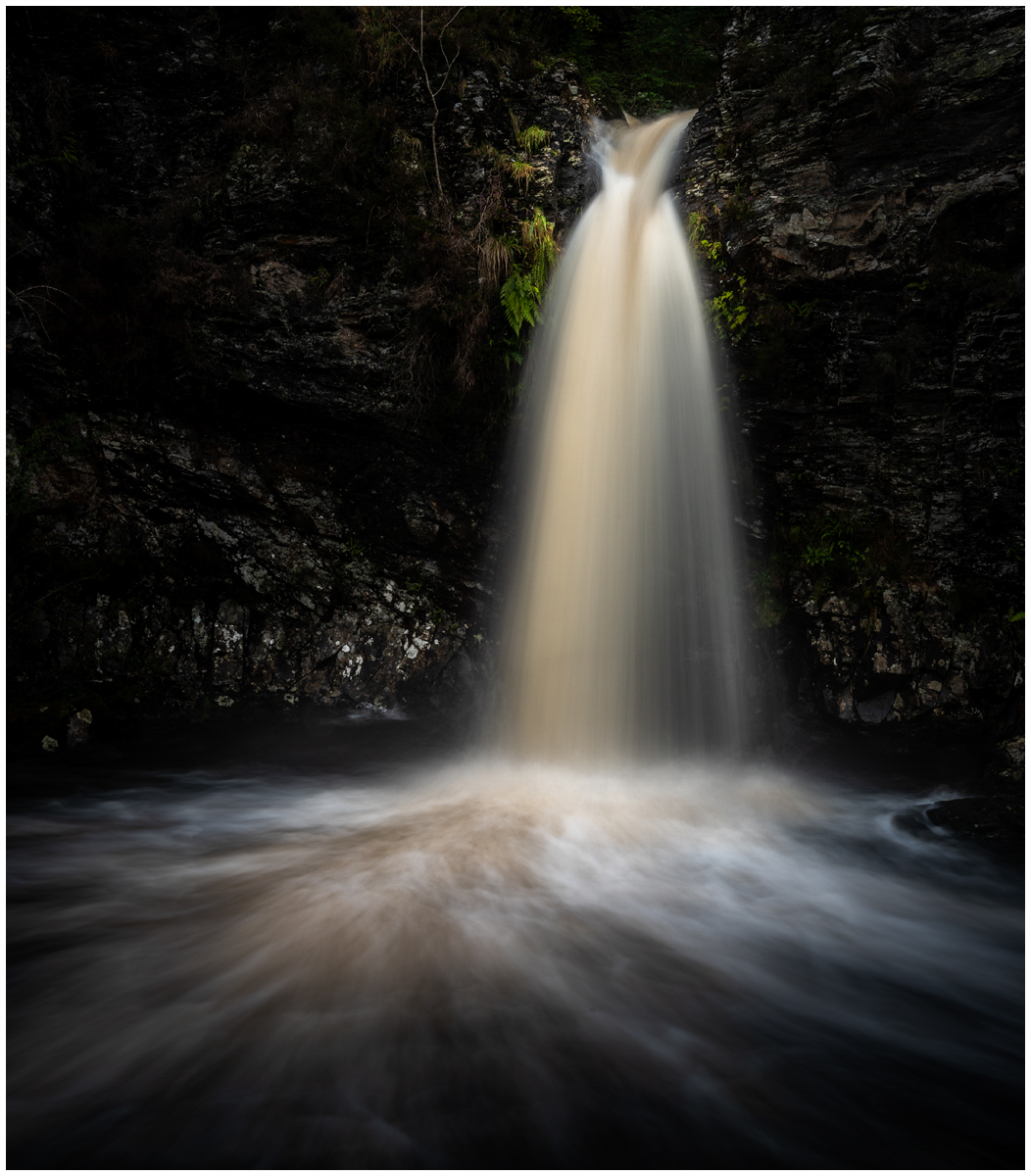
This waterfall had most of the surroundings darkened firstly to hide the messy vegetation but after I started I noted that it seemed to highten the drama.
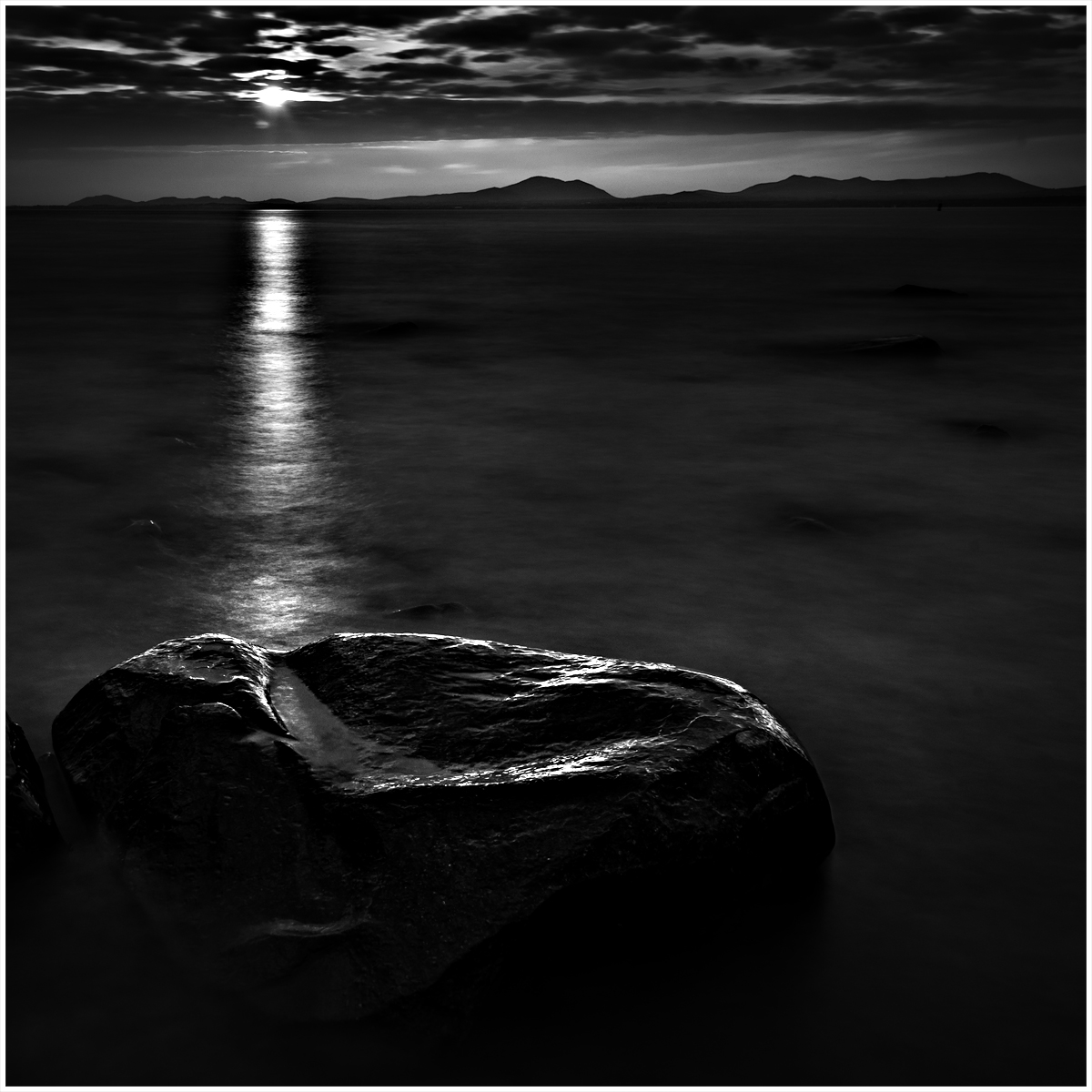
Lastly a sunset deliberately processed to look like a moonlit shot. It is usually a semi naked figure in the surf but I couldn't persuade any models to oblige.
I hope that this helps and I am happy to amplify any of the techniques. Ken
.
As you can see most of the image is bright but a full range of tones are present. This image was taken on a very gloomy overcast day in Northern Spain with a thick sea mist but dehaze cut through it nicely.
Some images are just naturally high key eg snow scenes but I have carefully brightened the clouds that were dark and forbidding and full of snow. Saturation can be tricky with high key scenes as you brighten things or reduce their contrast you will naturally lose saturation. In this case however I have increased saturation as this lovely powder blue sky was actually fairly flat and grey.
LOW KEY
Just the opposite of high key the mid tones are dark, pull the curve down at the middle.
This image (taken on a lockdown walk on May 10th) is naturally low key as a shaft of sunlight shone through the trees an illuminated the fern and the little waterfall. Exposed to keep the highlights from burning out most of the image is very dark. I have brightened some the green mossy areas around the falls a little. The trend for universally lifting the shadows almost to the point of full sunshine destroys low key shots. In this instance I have brightened the whites to accentuate the contrast between light and shade.
This image has been artificially made a little low key although all of the action is in the brighter parts.
This waterfall had most of the surroundings darkened firstly to hide the messy vegetation but after I started I noted that it seemed to highten the drama.
Lastly a sunset deliberately processed to look like a moonlit shot. It is usually a semi naked figure in the surf but I couldn't persuade any models to oblige.
I hope that this helps and I am happy to amplify any of the techniques. Ken
Last edited:
