

Comet Hunter
Supporting Member
I wasn't sure how you all added the framing around your images? Next year perhaps
As a footnote, on average I have 8 to 10 hours of integration time with each of these images (not counting the 1st.
That said listed here compiles well over 100 hours of imaging time.. I am just glad my system is automatic as most of that time
I was in Bed! All my images were shot with a OSC camera with a variety of filters.
#1
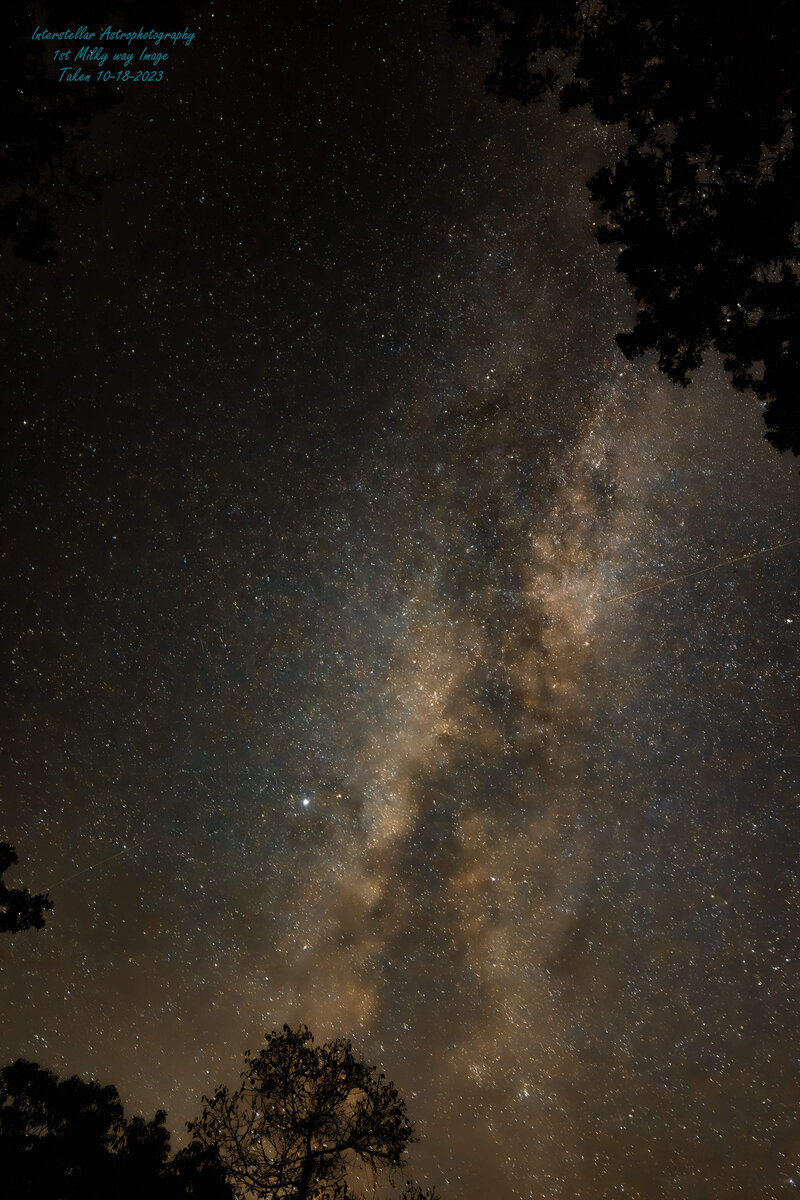
I wanted to start off with my 1st ever single exposure Milky Way image, new to me: camera, lense, mount, process etc, etc.
I really look forward to honing my skills with many more DSLR imagery.
Not the best, but it's my 1st
#2
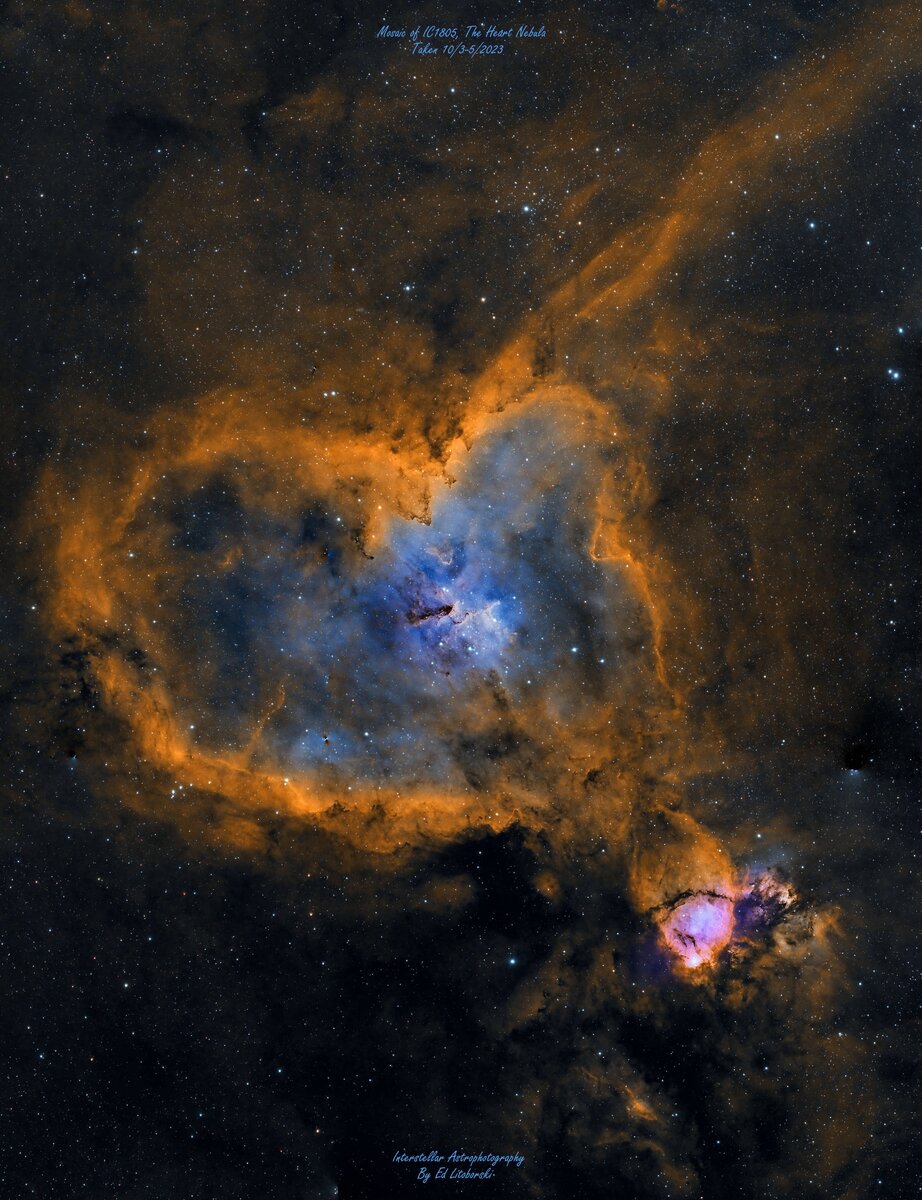
My next image was another 1st, and that was a 4 panel of the Heart Nebula.
Taken with my WO GT71, this process opened up a whole new world of possibilities for astro imaging.
#3
Next, taken with the SV Raptor is the Heart of the Heart nebula.. Showing lots of detail in the center regions of this
colorful nebula

#4
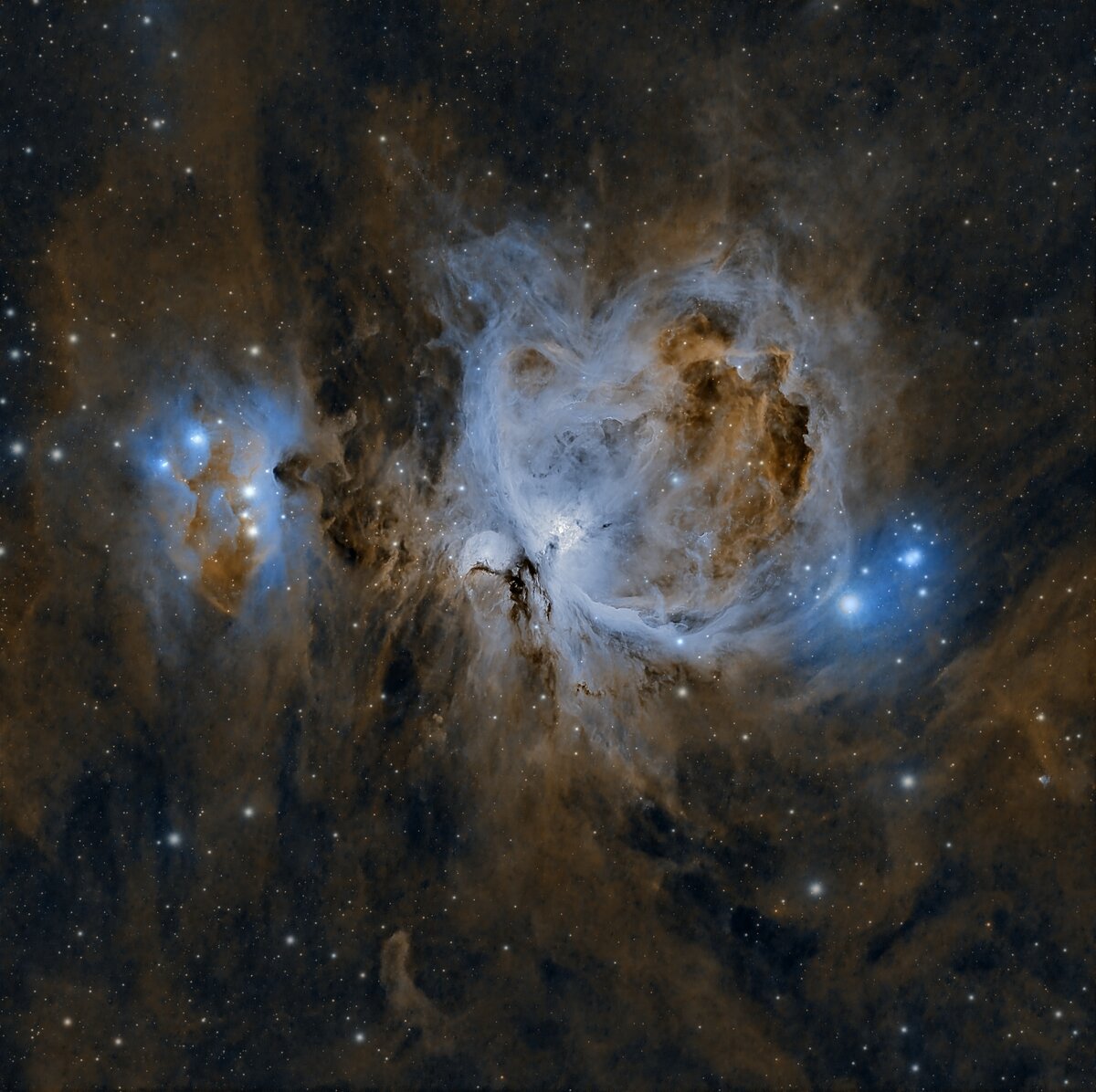
My next image has always been a favorite of mine, M42 The Orion nebula.
I love the colorful whispers of the nebula clouds and how they seem to just float through space
#5
Thors Helmet I think may be my favorite, or in the top 3 anyway. Another Supernova ruminate, it has such a interesting shape and color.

#6+
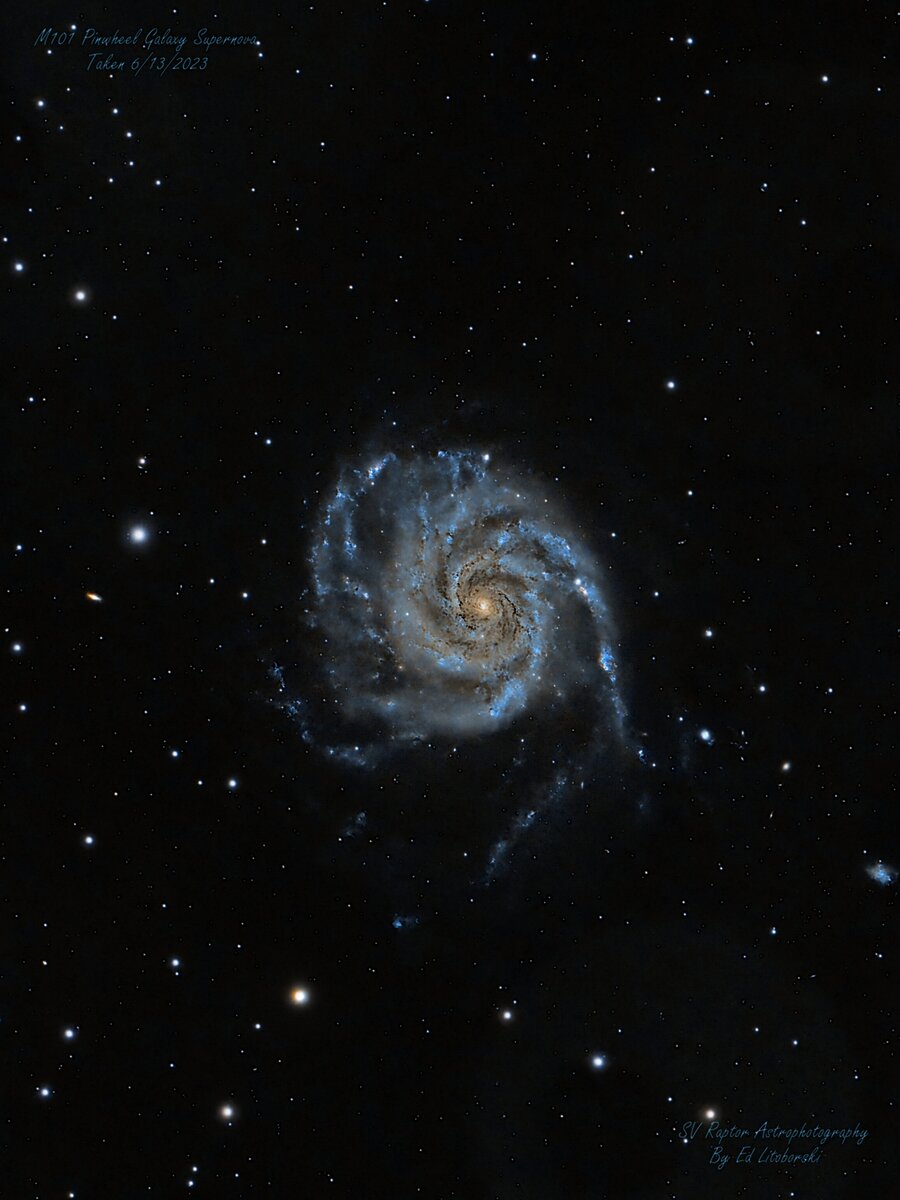
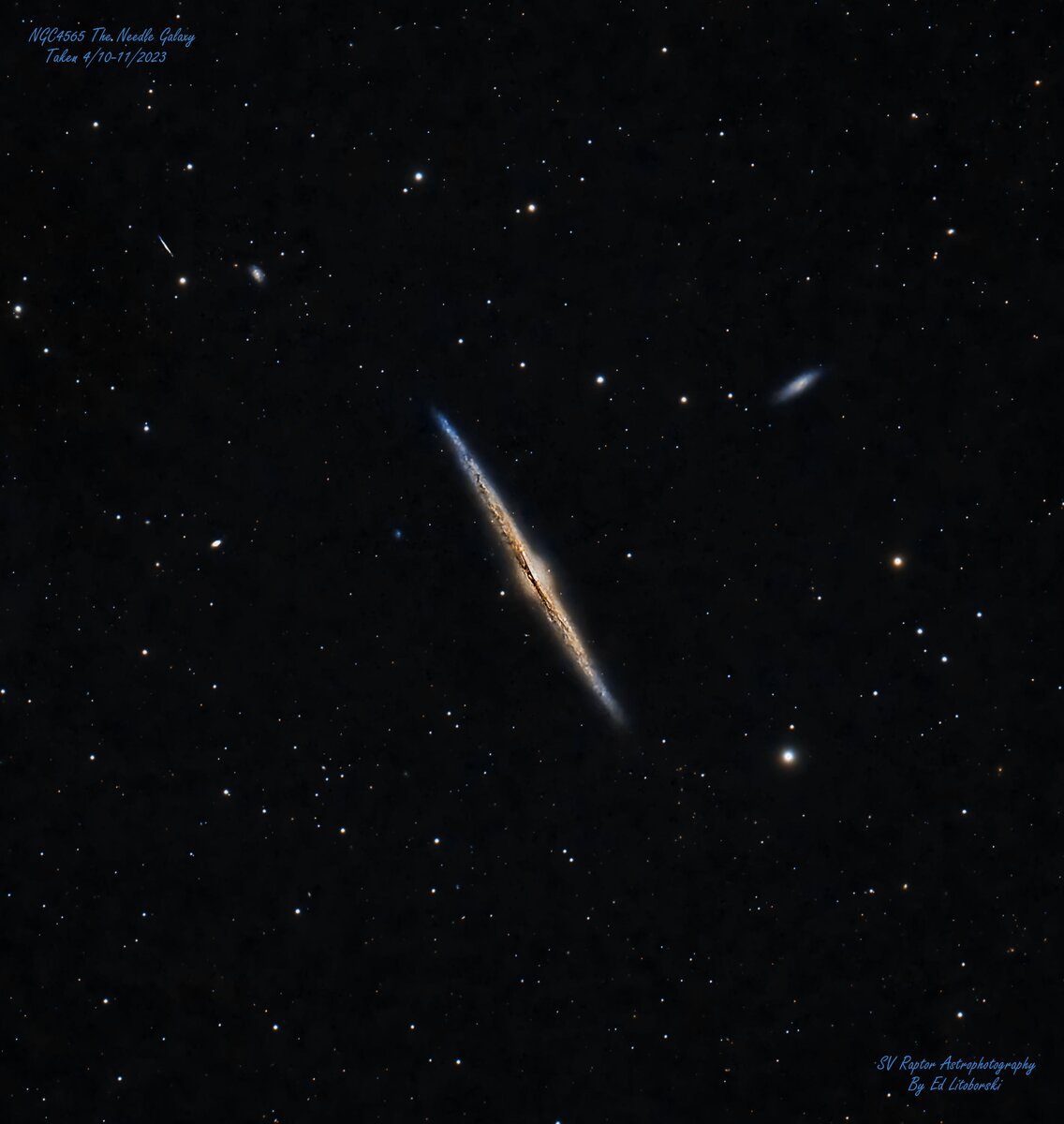
My focal length at 733 is not that large so many smaller galaxies are just out of reach, but with this next selection I could not make up my mind which I liked better so I added them both My apologies if I cheated.
The 1st one is the M101 Pinwheel Galaxy and it special as it captured the supernova exploding. (which as I understand was discoverd by amother amature astonomer)
its just up the street at "20 million" light years away!
The 2nd is NGC4565 the Needle Galaxy which is only "30 million light years away"! I love the on edge look of this galaxy
#7
Another of my all time favorites is M51, the Whirlpool Galaxy at "23 million light years away".
Being able to capture one galaxy eating another is to observe creation of the universe itself and from
from my driveway no less, which to me is mind blowing!

#8
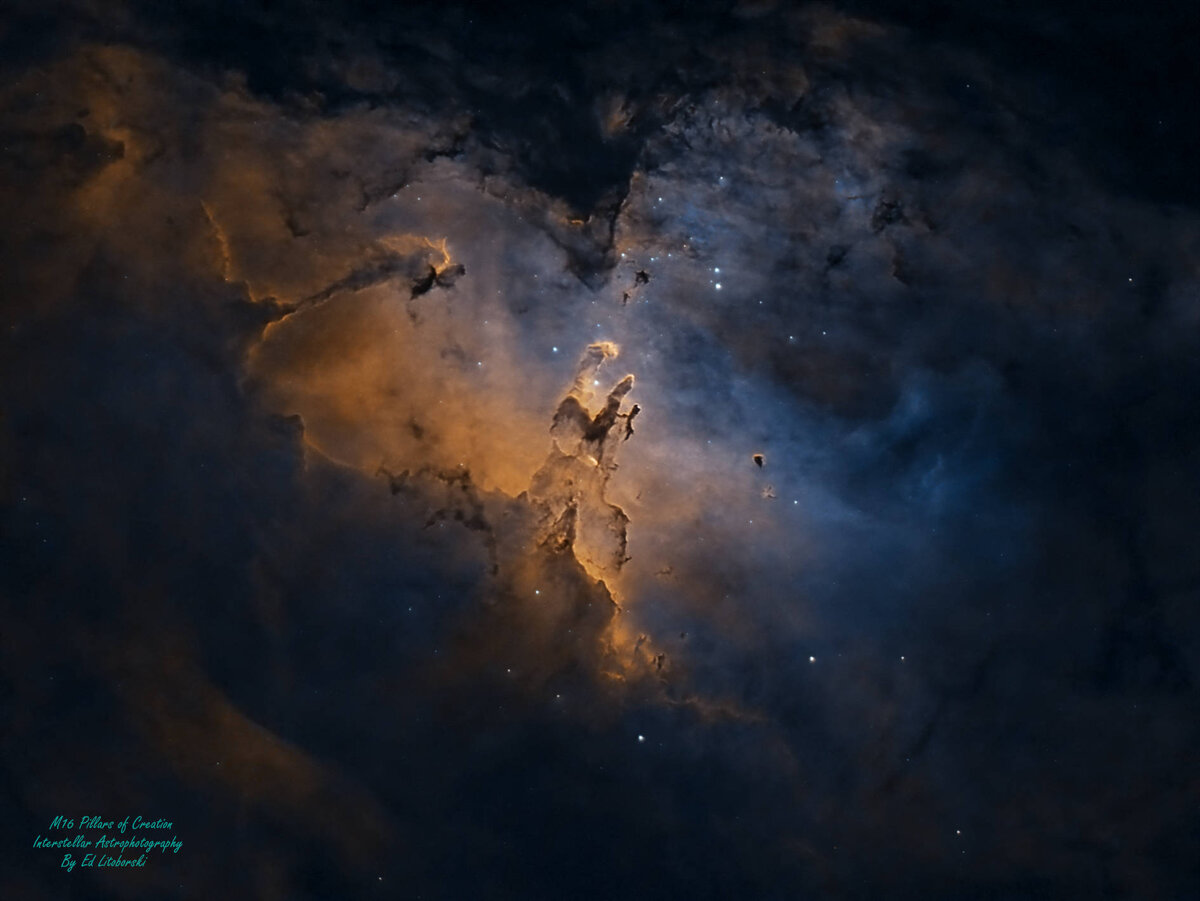
M16, The Pillars of Creation or Eagle Nebula is also one of my top 2 images. I wish I had just a little more focal length to pull out a little more detail.
Just looking at this image you can feel new stars being born.
#9
SH2-114 is the Dragon nebula which is a new target to me, tough to capture and process, but interesting to view.

#10
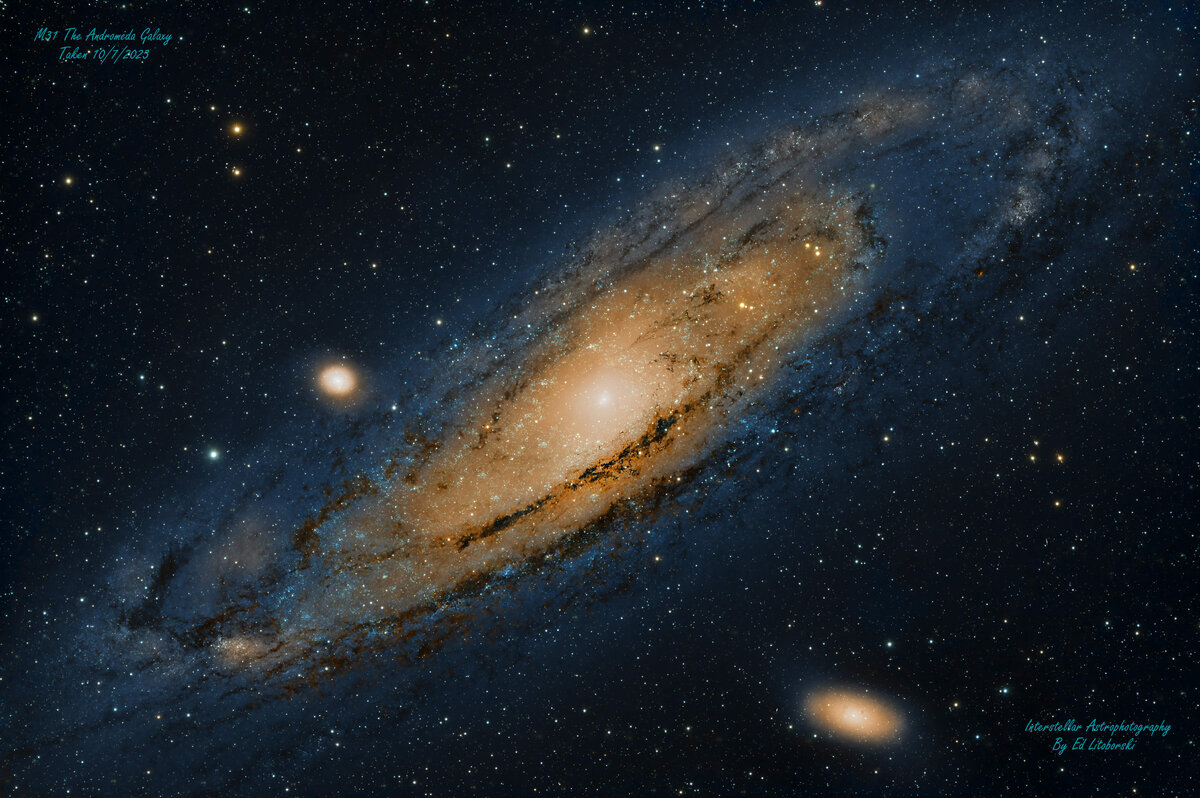
The Great Andromeda galaxy is so big, you can see it with your naked eye from a dark sky and is said to contain over 1 Trillion stars.
Its one of the closest galaxies to us at 2 1/2 million light years and as with image M51 shown above, science says it will merge with our Milky Way and the 2 will form one super large galaxy. I am glad I won't be around.
I captured this with 1 telescope kits this year, my SV 102 Raptor and WOGT 71 Gran Turismo. I was torn with this one too which i liked better but ended
up posting the SV Raptor rendition.
#11
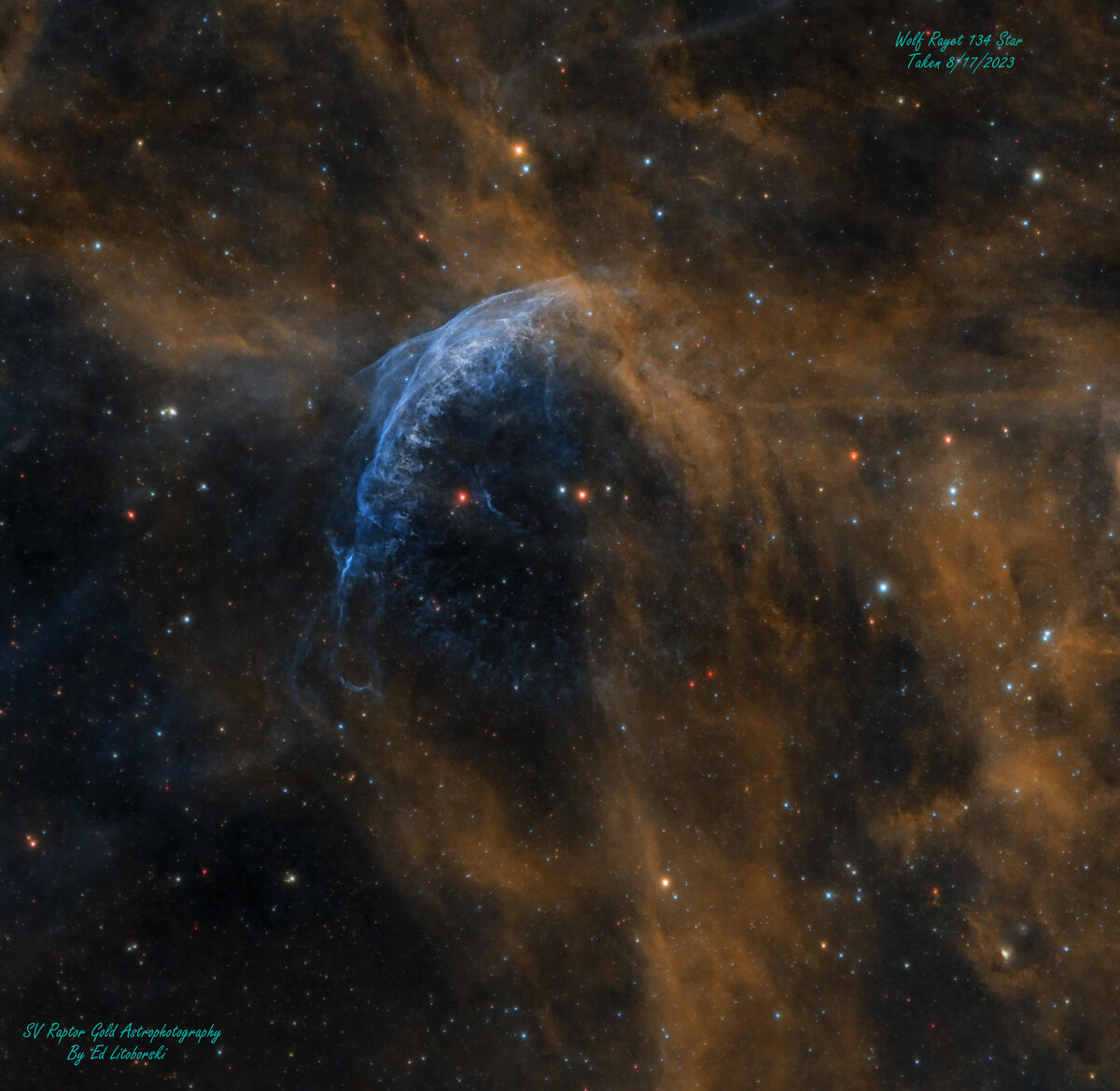
Another supernova Ruminant is called WF124 which shows off a super bright Wolf Rayet Star.
# 12
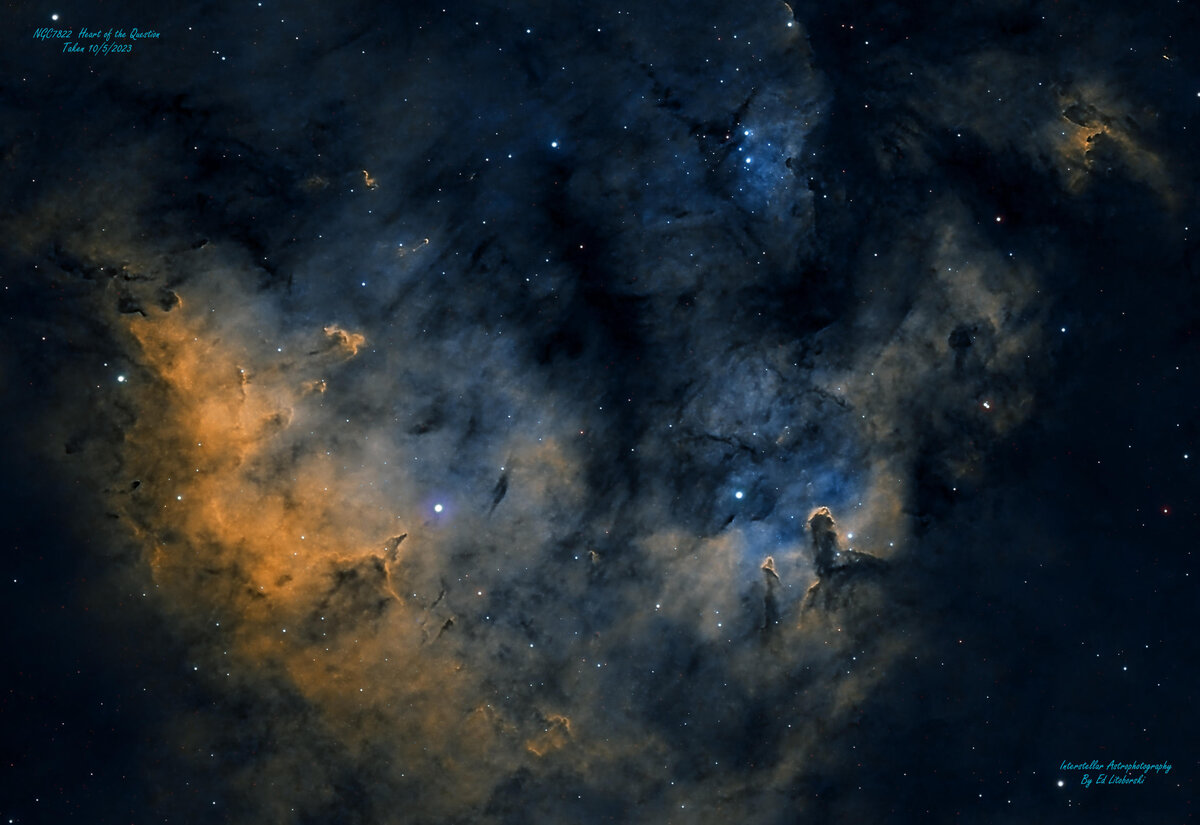
Last but not least is NGC1822 or the Heart of the Question Mark Nebula. I just love the velvety feel of this image
I hope you enjoyed traveling through Interstellar Space as much as I have taking, processing and displaying them.
As a footnote, on average I have 8 to 10 hours of integration time with each of these images (not counting the 1st.
That said listed here compiles well over 100 hours of imaging time.. I am just glad my system is automatic as most of that time
I was in Bed! All my images were shot with a OSC camera with a variety of filters.
#1
I wanted to start off with my 1st ever single exposure Milky Way image, new to me: camera, lense, mount, process etc, etc.
I really look forward to honing my skills with many more DSLR imagery.
Not the best, but it's my 1st
#2
My next image was another 1st, and that was a 4 panel of the Heart Nebula.
Taken with my WO GT71, this process opened up a whole new world of possibilities for astro imaging.
#3
Next, taken with the SV Raptor is the Heart of the Heart nebula.. Showing lots of detail in the center regions of this
colorful nebula
#4
My next image has always been a favorite of mine, M42 The Orion nebula.
I love the colorful whispers of the nebula clouds and how they seem to just float through space
#5
Thors Helmet I think may be my favorite, or in the top 3 anyway. Another Supernova ruminate, it has such a interesting shape and color.
#6+
My focal length at 733 is not that large so many smaller galaxies are just out of reach, but with this next selection I could not make up my mind which I liked better so I added them both My apologies if I cheated.
The 1st one is the M101 Pinwheel Galaxy and it special as it captured the supernova exploding. (which as I understand was discoverd by amother amature astonomer)
its just up the street at "20 million" light years away!
The 2nd is NGC4565 the Needle Galaxy which is only "30 million light years away"! I love the on edge look of this galaxy
#7
Another of my all time favorites is M51, the Whirlpool Galaxy at "23 million light years away".
Being able to capture one galaxy eating another is to observe creation of the universe itself and from
from my driveway no less, which to me is mind blowing!
#8
M16, The Pillars of Creation or Eagle Nebula is also one of my top 2 images. I wish I had just a little more focal length to pull out a little more detail.
Just looking at this image you can feel new stars being born.
#9
SH2-114 is the Dragon nebula which is a new target to me, tough to capture and process, but interesting to view.
#10
The Great Andromeda galaxy is so big, you can see it with your naked eye from a dark sky and is said to contain over 1 Trillion stars.
Its one of the closest galaxies to us at 2 1/2 million light years and as with image M51 shown above, science says it will merge with our Milky Way and the 2 will form one super large galaxy. I am glad I won't be around.
I captured this with 1 telescope kits this year, my SV 102 Raptor and WOGT 71 Gran Turismo. I was torn with this one too which i liked better but ended
up posting the SV Raptor rendition.
#11
Another supernova Ruminant is called WF124 which shows off a super bright Wolf Rayet Star.
# 12
Last but not least is NGC1822 or the Heart of the Question Mark Nebula. I just love the velvety feel of this image
I hope you enjoyed traveling through Interstellar Space as much as I have taking, processing and displaying them.
Last edited:


