

Comet Hunter
Supporting Member
The Valley of the Kings, located on the west bank of the Nile near Luxor, Egypt dated (c. 1539–1075 B.C.).
It contains over 60, often heavily decorated, underground tombs—including King Tutankhamun's—carved into limestone cliffs, and is a popular, heavily visited tourist destination
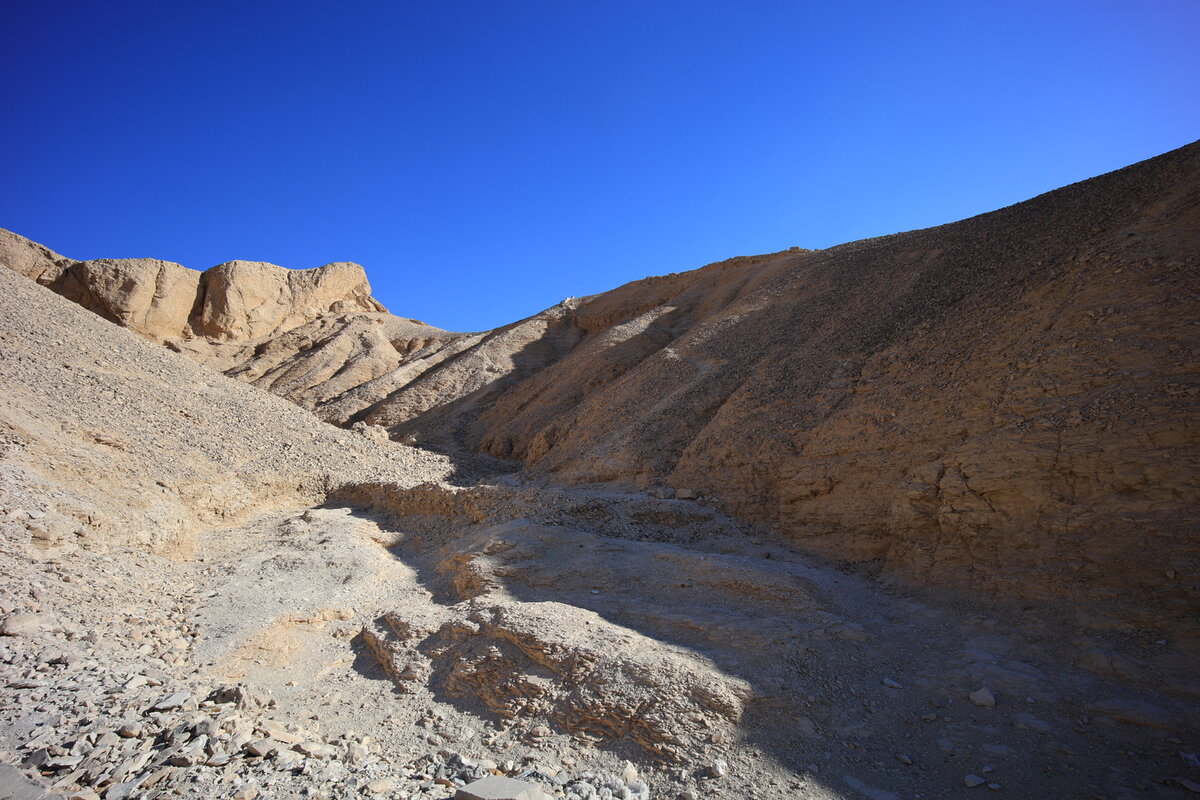
This day, we visited the Valley of the Kings and as you can see from the 1st image, not much above ground and it was very busy.
WIth time alloted and crouds we had to deal with we only got to visit (3) tombs Ramsies 1, 12, and King Tutankhamun
The 3 we visited were pretty deep under ground and the passageways were quite long
Aa o you can see, the artwork varies from one tomb to another with colofull hieroglyphics and some not so much. Some were just painings and some were hand cut with quite presision.
All comments welcome
# 1, Above ground, everywere you looked in all directions it was quite desolate. I wonder why this site was chosen as the prefered burial site for so many kings
Ramses I
Ramses I, the founder of Egypt's 19th Dynasty, ruled for less than two years, which is reflected in the modest size of his final resting place
# 2 The next 3 pictures were quite colorful
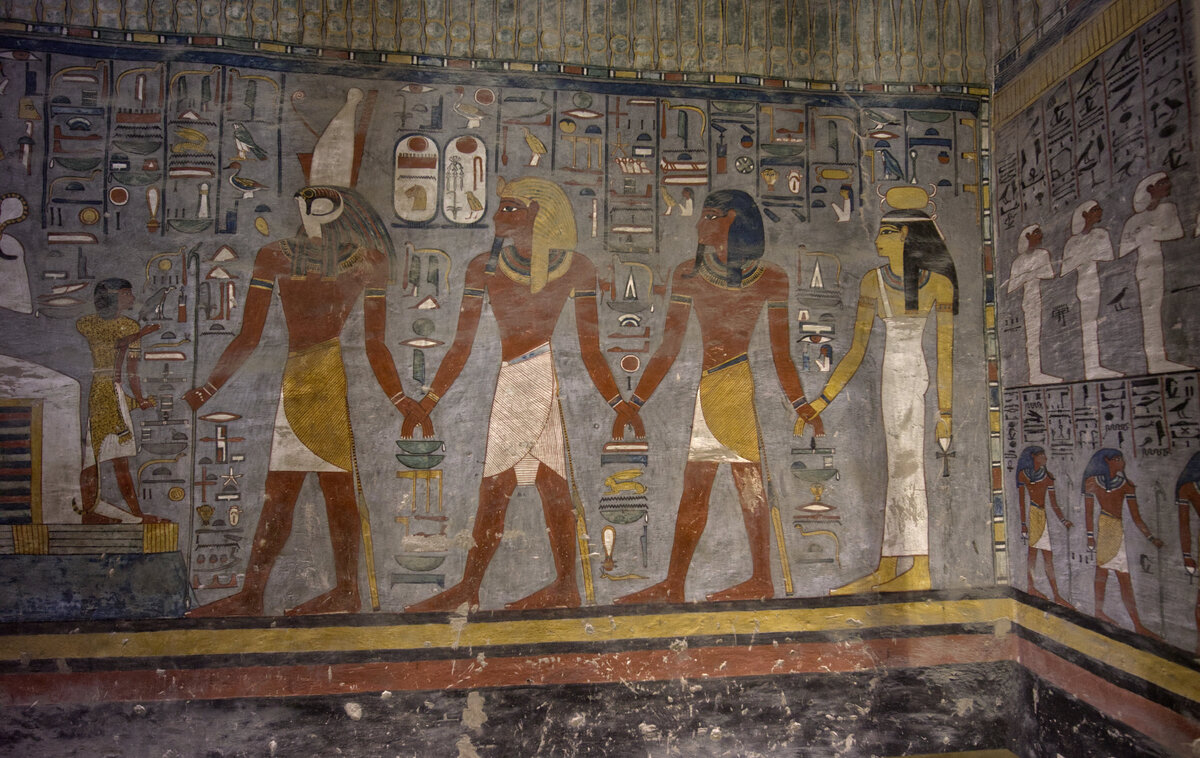
# 3 but mostly painted with little carvings
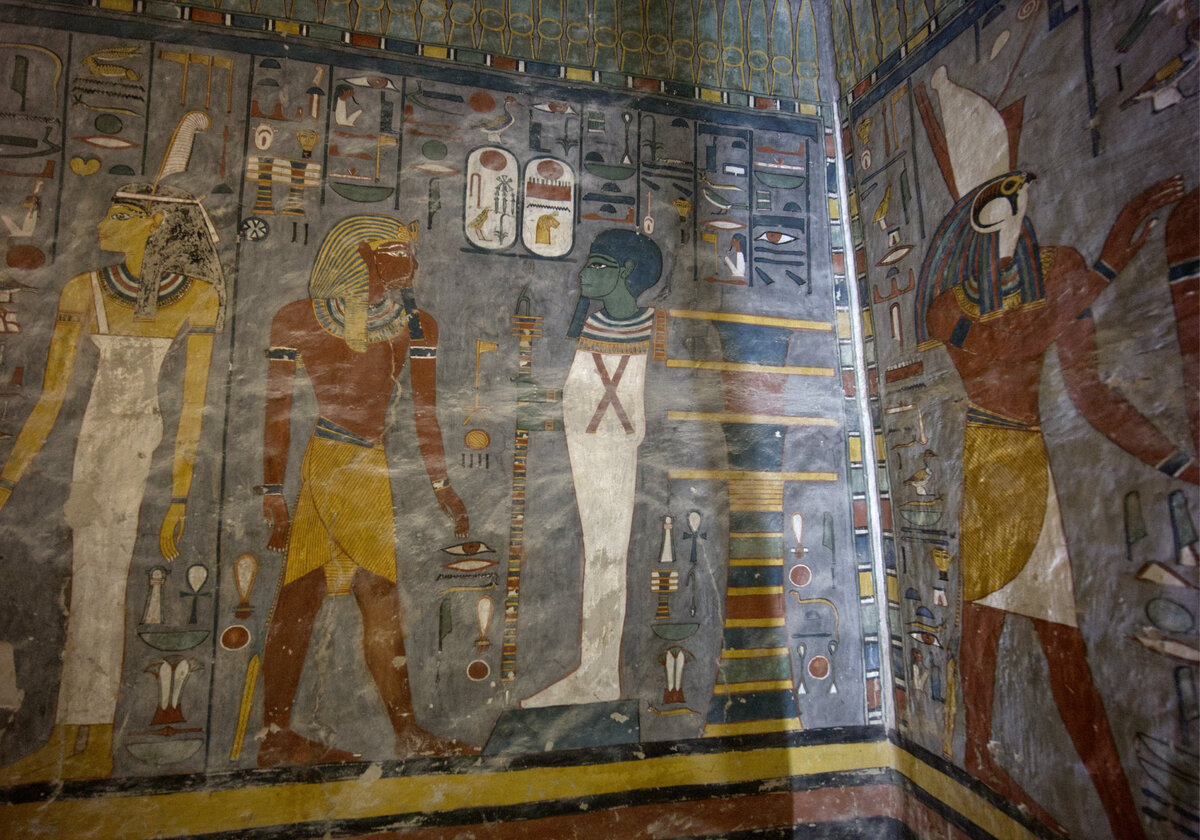
# 4 Stunning colors though considering they were painted in 1200 BC
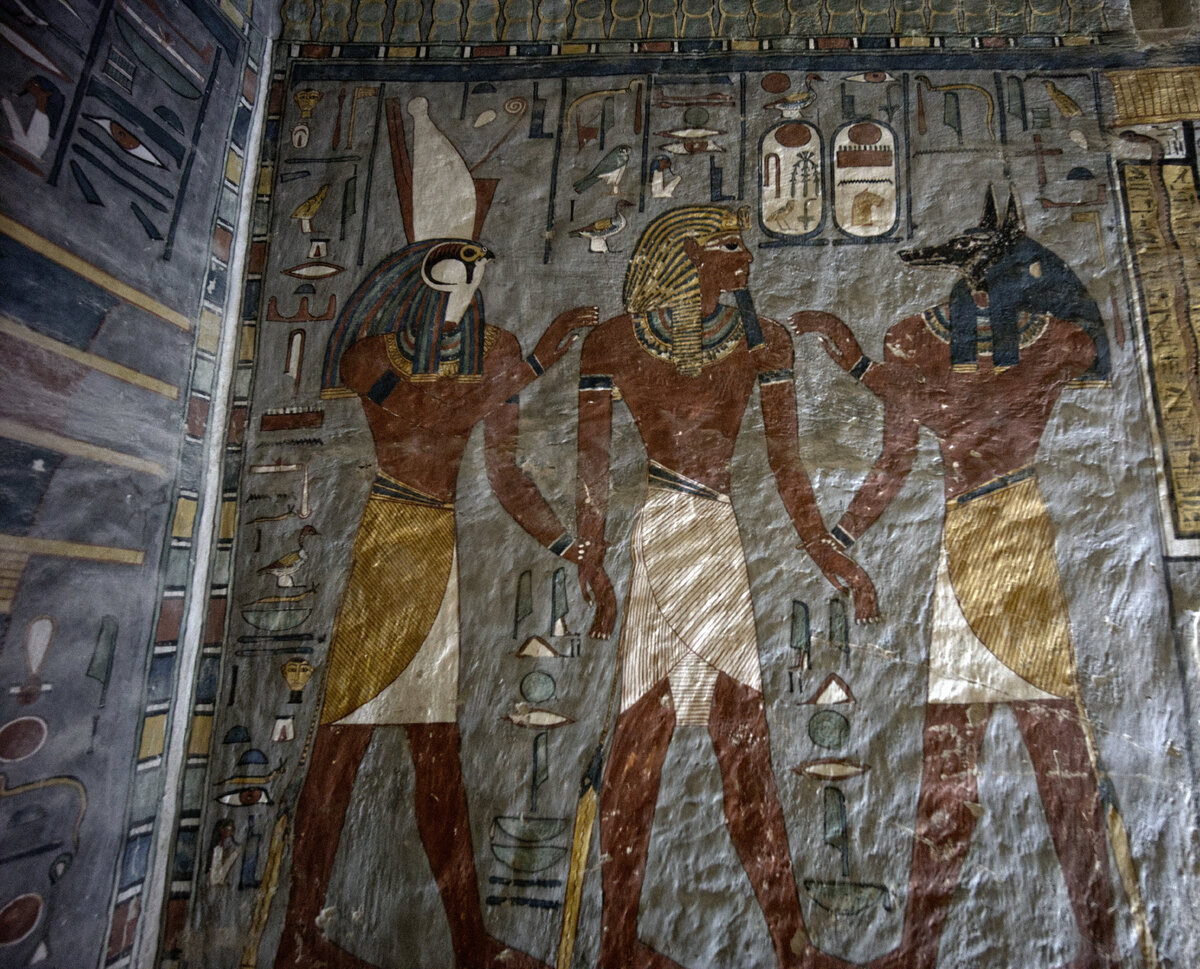
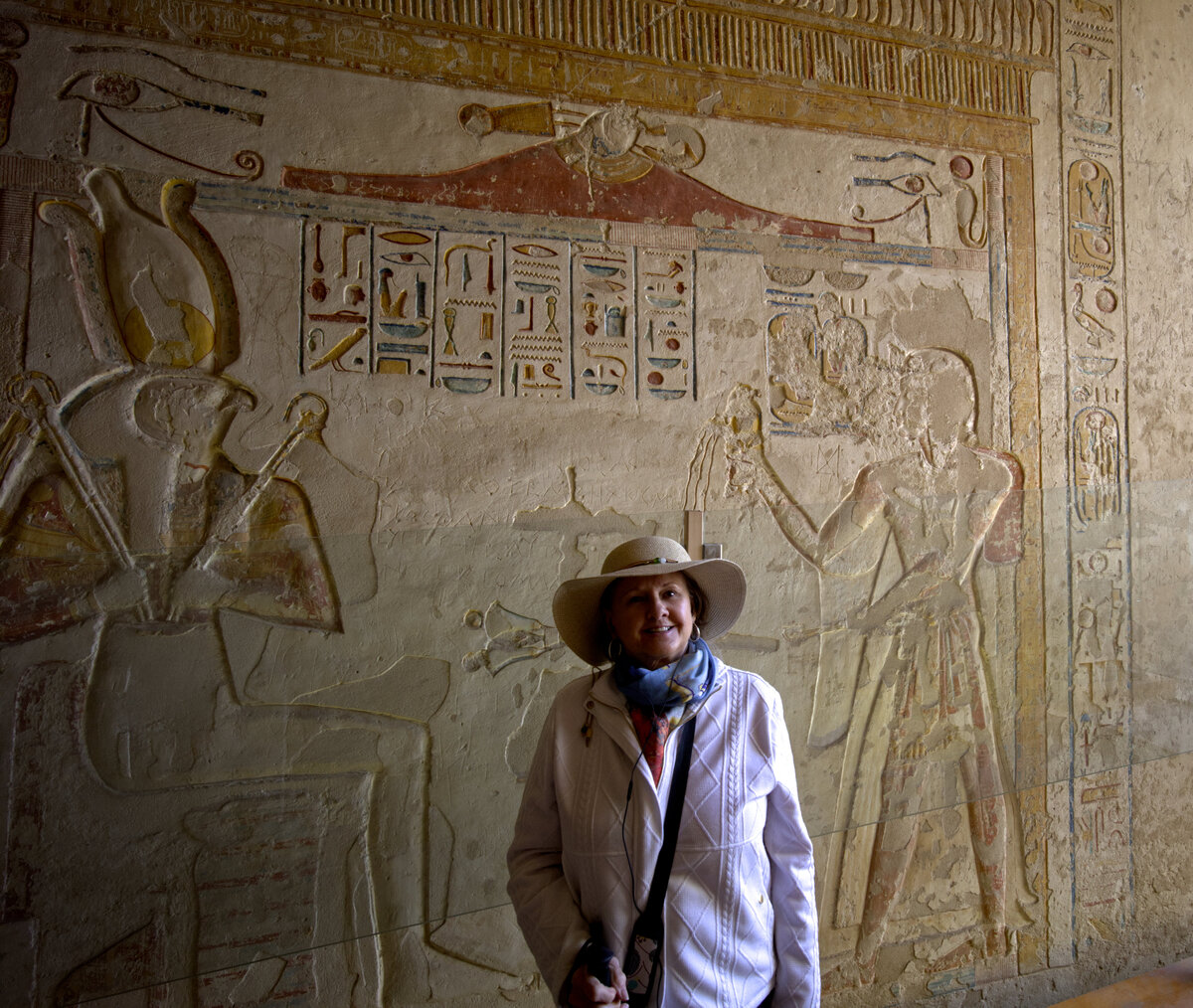
Ramses the 12th tomb
Rameses XII a pharaoh of the 20th Dynasty, reigned during the 20th dynasty, likely from approximately 1075–1068 BC.
# 5 less colorful, more engravings, photo bombed by my wife lol. Great memories
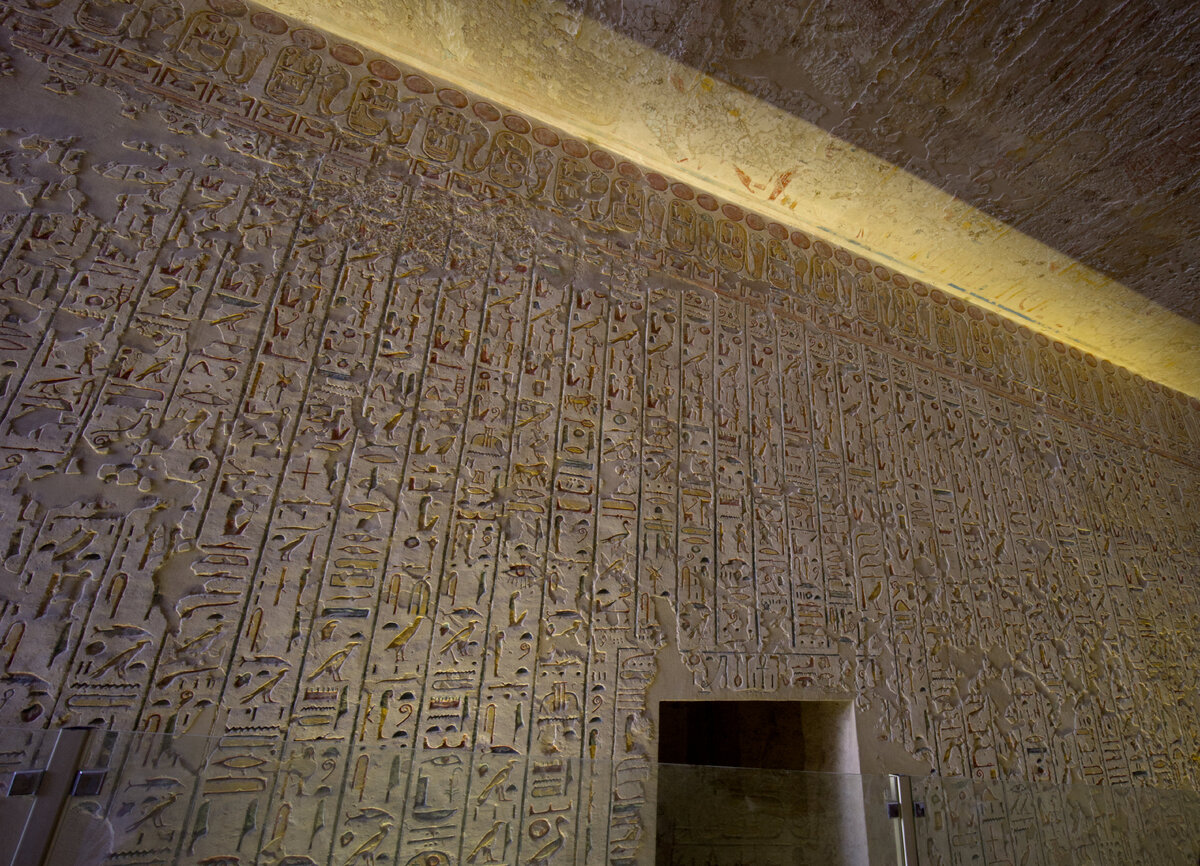
# 6, if walls could talk, and in this case they can if you can read hieroglyphics. Lots of text here, more than my 15mm lens could capture
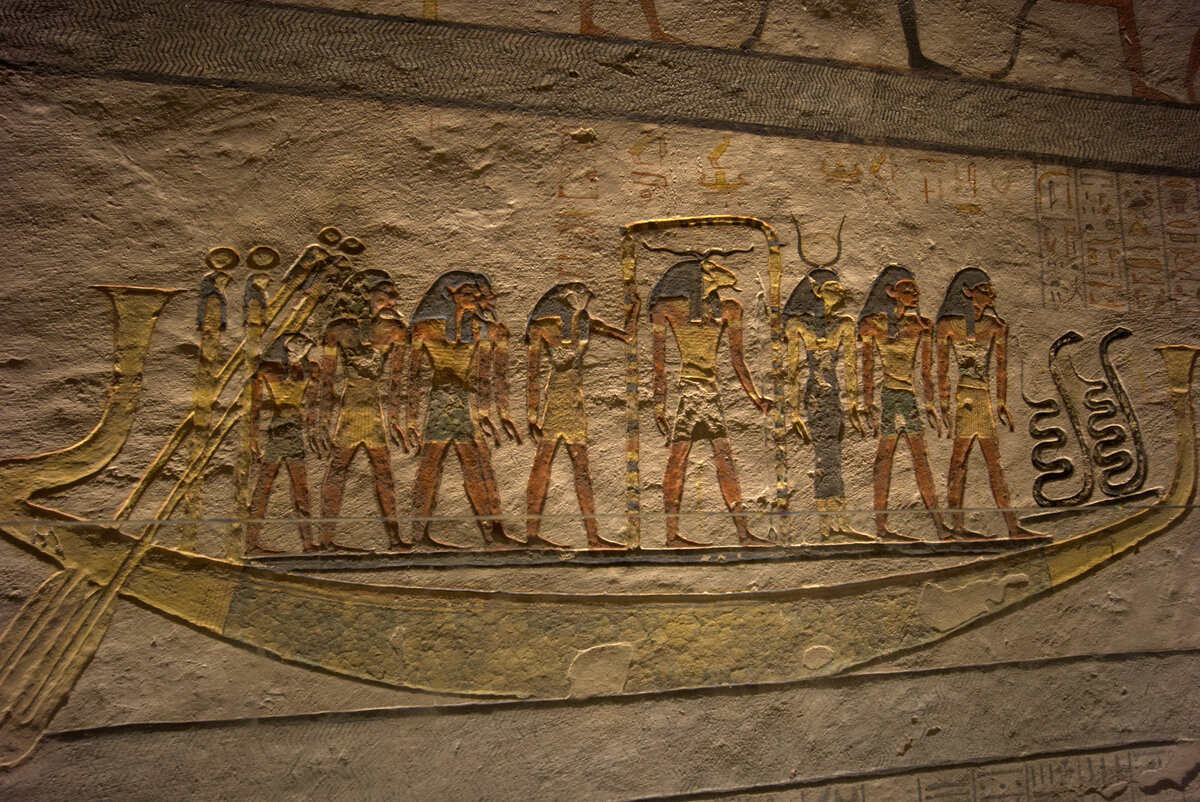
# 7 Out for a boat ride with snakes in the lead.. Why not?
# 8 lots of storey telling going on, Our guide discusses much of this but I was in complete overload
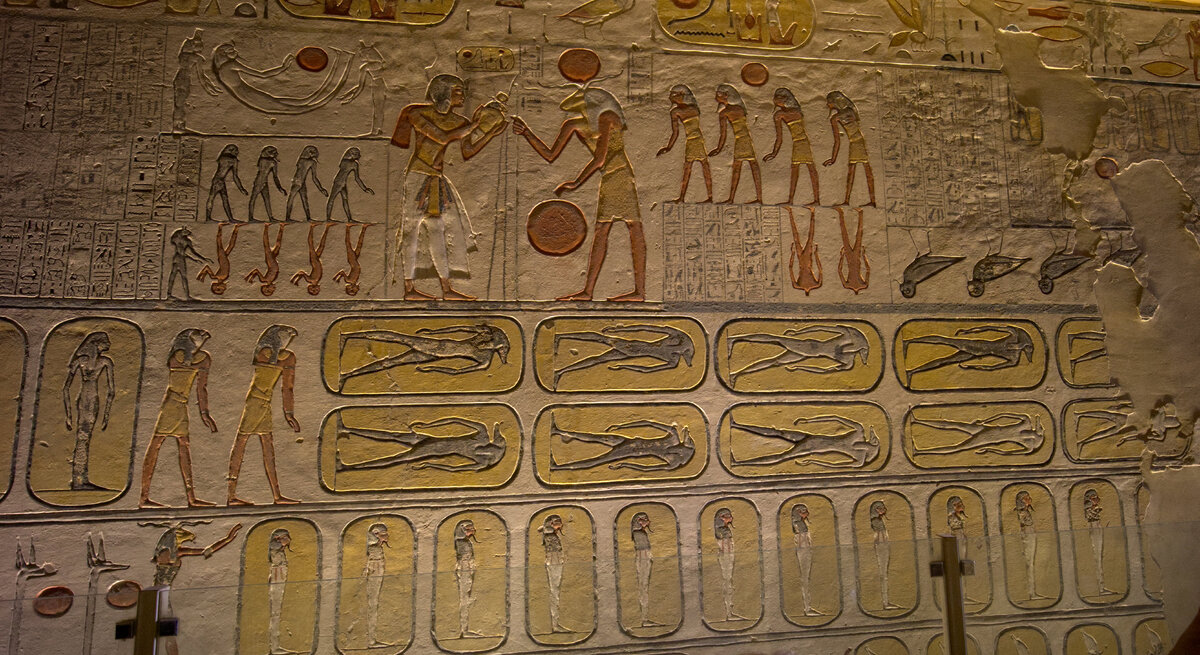
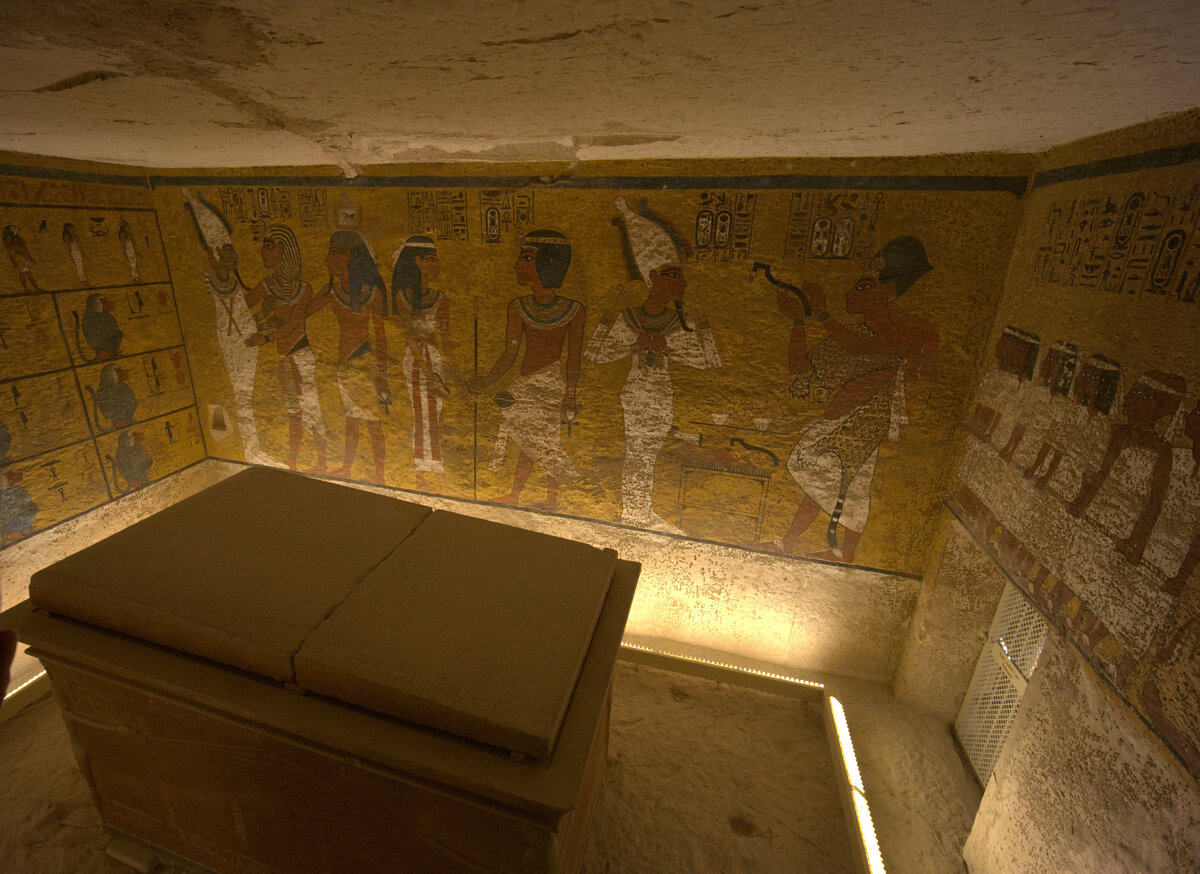
# 9 the main burial chamber
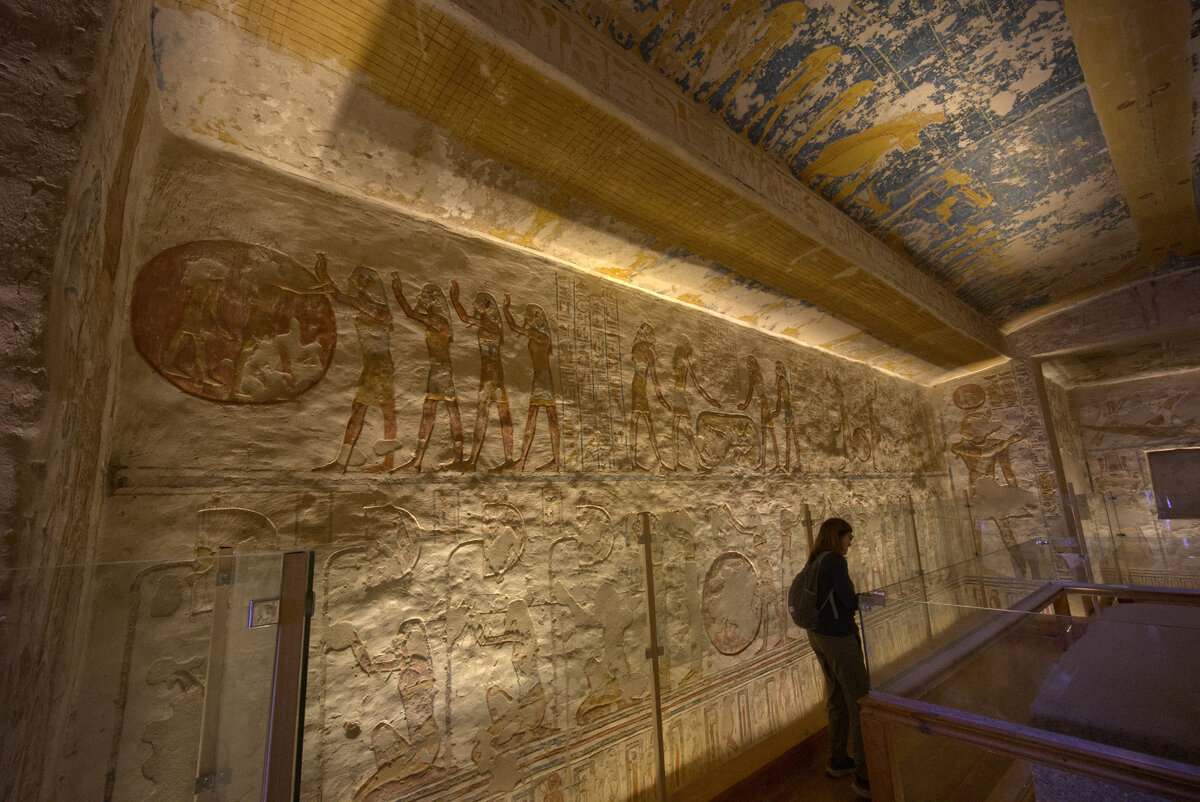
King Tut, the boy king
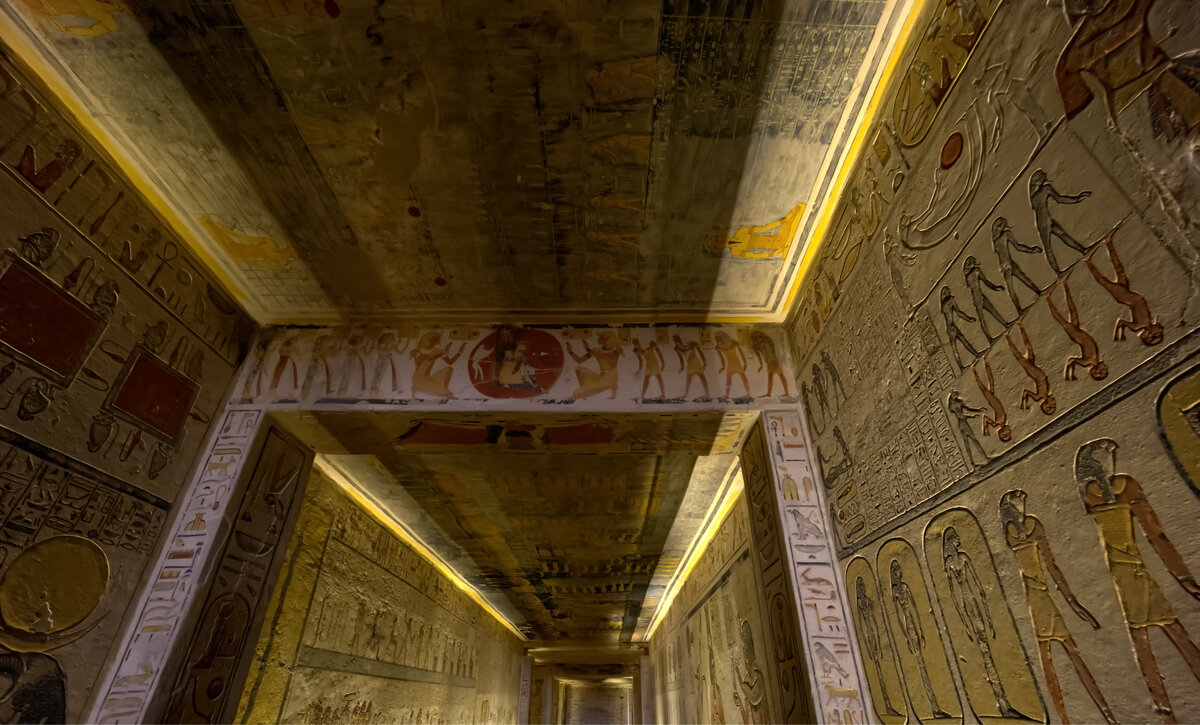
# 10 Walkway to the main tomb, colorful with detailed carvings
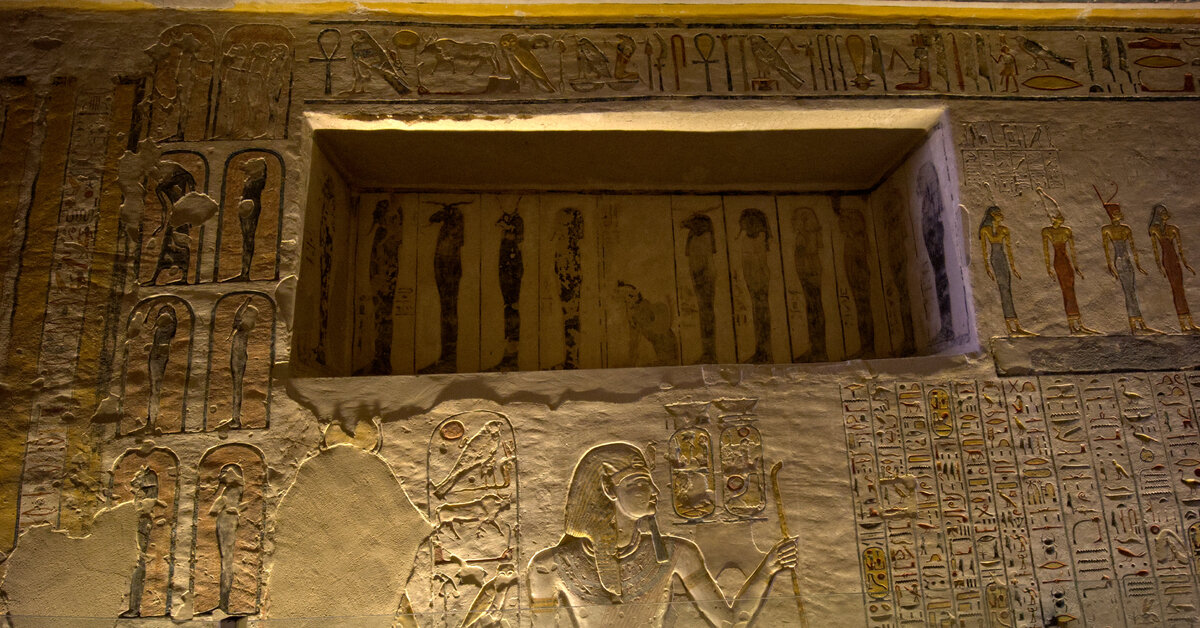
# 11 I wonder what this Niche was for. is was about 18" tall, 12" deep 4 feet wide.
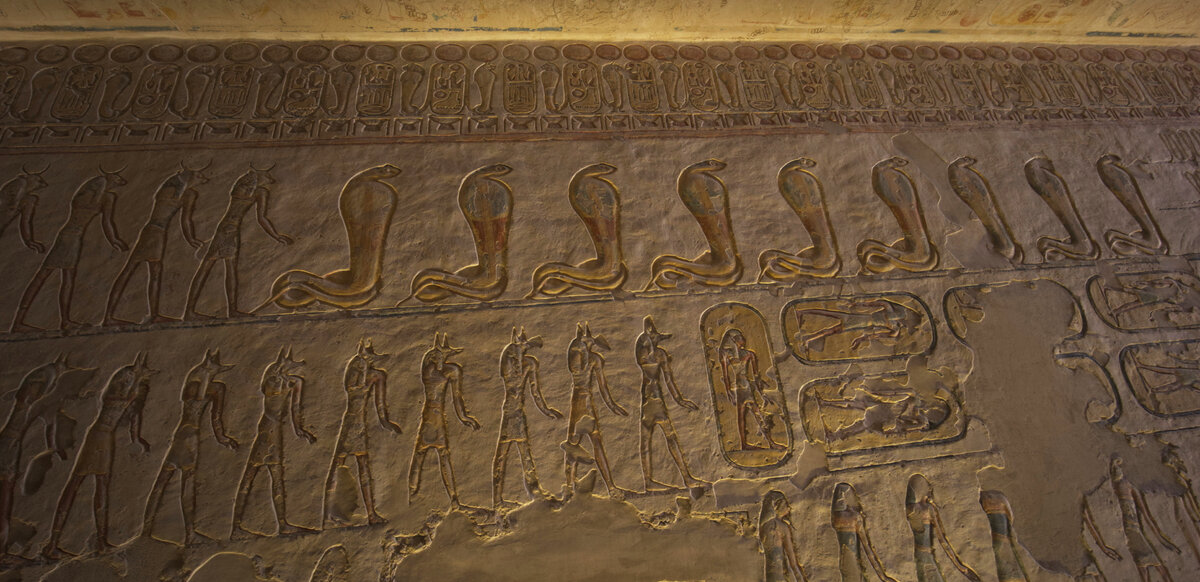
# 12 the snakes tell a story
# 13, the main tomb, which was not vary big and earlier we visited the new Grand Musium which housed all his stuff and I can't figure how they stuffed all his treaure in this small area.
# 14 Last one!
The mummy of King Tut. The storey goes the folks who discoverd this site and who empied it damaged his body so bad they had to leave it in the tomb. I think he is the only mummy that stil remains in his tomb as the rest are in musiums.
Why did he die at such a young age? DNA studies indicate that King Tutankhamun's parents were the Pharaoh Akhenaten (formerly Amenhotep IV) and Akhenaten's own sister, known as the "Younger Lady," whose mummy was found in KV35. This makes Tut’s parents full siblings, rather than Nefertiti being his mother, as she was actually his stepmother
So in keeping the blood lines pure, they created some "bad" blood.
It contains over 60, often heavily decorated, underground tombs—including King Tutankhamun's—carved into limestone cliffs, and is a popular, heavily visited tourist destination
This day, we visited the Valley of the Kings and as you can see from the 1st image, not much above ground and it was very busy.
WIth time alloted and crouds we had to deal with we only got to visit (3) tombs Ramsies 1, 12, and King Tutankhamun
The 3 we visited were pretty deep under ground and the passageways were quite long
Aa o you can see, the artwork varies from one tomb to another with colofull hieroglyphics and some not so much. Some were just painings and some were hand cut with quite presision.
All comments welcome
# 1, Above ground, everywere you looked in all directions it was quite desolate. I wonder why this site was chosen as the prefered burial site for so many kings
Ramses I
Ramses I, the founder of Egypt's 19th Dynasty, ruled for less than two years, which is reflected in the modest size of his final resting place
# 2 The next 3 pictures were quite colorful
# 3 but mostly painted with little carvings
# 4 Stunning colors though considering they were painted in 1200 BC
Ramses the 12th tomb
Rameses XII a pharaoh of the 20th Dynasty, reigned during the 20th dynasty, likely from approximately 1075–1068 BC.
# 5 less colorful, more engravings, photo bombed by my wife lol. Great memories
# 6, if walls could talk, and in this case they can if you can read hieroglyphics. Lots of text here, more than my 15mm lens could capture
# 7 Out for a boat ride with snakes in the lead.. Why not?
# 8 lots of storey telling going on, Our guide discusses much of this but I was in complete overload
# 9 the main burial chamber
King Tut, the boy king
# 10 Walkway to the main tomb, colorful with detailed carvings
# 11 I wonder what this Niche was for. is was about 18" tall, 12" deep 4 feet wide.
# 12 the snakes tell a story
# 13, the main tomb, which was not vary big and earlier we visited the new Grand Musium which housed all his stuff and I can't figure how they stuffed all his treaure in this small area.
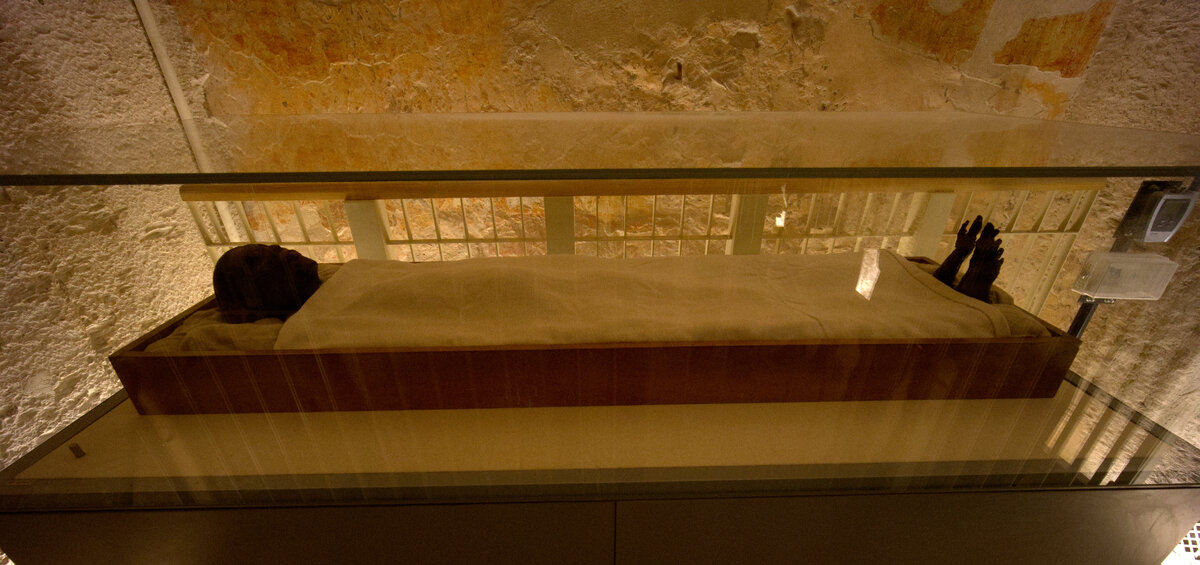
# 14 Last one!
The mummy of King Tut. The storey goes the folks who discoverd this site and who empied it damaged his body so bad they had to leave it in the tomb. I think he is the only mummy that stil remains in his tomb as the rest are in musiums.
Why did he die at such a young age? DNA studies indicate that King Tutankhamun's parents were the Pharaoh Akhenaten (formerly Amenhotep IV) and Akhenaten's own sister, known as the "Younger Lady," whose mummy was found in KV35. This makes Tut’s parents full siblings, rather than Nefertiti being his mother, as she was actually his stepmother
So in keeping the blood lines pure, they created some "bad" blood.
